


Have you noticed your legs recovering quickly while your shoulders remain sore for days? Different muscle groups can respond differently to the same workout. Even muscles trained together may not recover at identical rates.
Recovery depends on exercise intensity, training experience, muscle workload, and individual physical conditioning. Understanding these differences helps you manage soreness without unnecessarily restricting your activities.
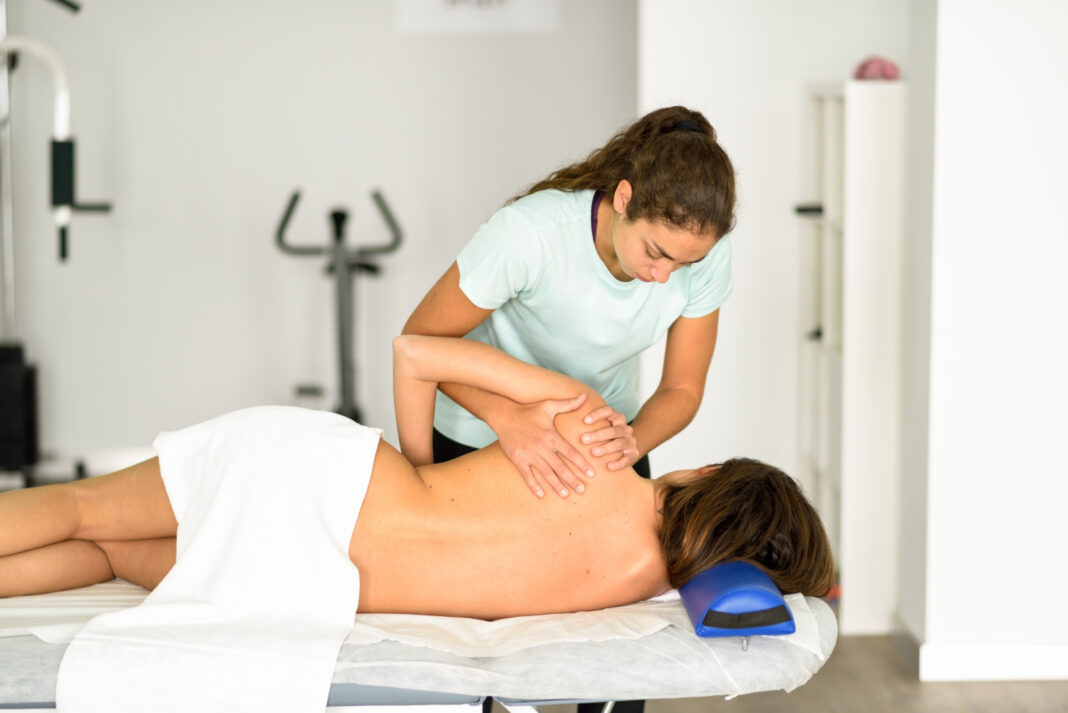
Professional Sports Massage Services may help manage certain exercise-related muscular symptoms. However, effective recovery also depends on appropriate training and rest.
What Determines How Quickly Muscles Recover?
Muscle recovery involves several processes following physical activity. These include restoring energy availability, adapting to exercise demands, and managing temporary muscular discomfort.
The time required varies between individuals and exercise sessions. Muscle size alone does not determine how quickly recovery occurs.
A sports massage practitioner may consider your training history and recent activity levels. This information helps distinguish expected post-exercise soreness from symptoms requiring further assessment.
1. Different Muscles Experience Different Workloads
Not every muscle performs the same amount of work during exercise. Some muscles generate substantial force, while others contribute to stability or movement control.
For example, squats place considerable demands on the quadriceps and gluteal muscles. However, exercise technique and individual biomechanics influence how that workload is distributed.
Muscles experiencing unfamiliar or demanding loads may develop greater soreness afterward. This does not necessarily mean they are weaker or injured.
Sports massage may provide temporary relief when particular muscle groups feel uncomfortable after training.
What Can Help?
Monitor which exercises consistently produce prolonged soreness. Adjust training volume when recovery becomes difficult between sessions.
2. Eccentric Movements Can Produce Greater Soreness
Eccentric muscle activity occurs when a muscle lengthens while producing force. Examples include lowering weights and controlling downhill running.
Unfamiliar eccentric exercise commonly produces delayed-onset muscle soreness. Symptoms may become noticeable several hours after the activity.
Soreness often peaks approximately 24–72 hours after demanding exercise. However, recovery patterns vary according to training experience and exercise intensity.
Sports massage may reduce perceived soreness in some individuals. It does not guarantee faster muscle repair or eliminate exercise-related discomfort.
What Can Help?
Introduce unfamiliar eccentric exercises gradually. Avoid dramatically increasing repetitions, resistance, or downhill training volume.
3. Training Experience Influences Recovery
Muscles adapt when exposed repeatedly to manageable exercise demands. Consequently, experienced individuals may experience less soreness after familiar activities.
Beginners often encounter greater discomfort when starting unfamiliar training programmes. Returning after an extended break can produce similar responses.
However, experienced athletes are not immune to prolonged soreness. Significant increases in workload can challenge even well-conditioned muscles.
Sports massage should therefore consider recent training changes rather than athletic experience alone.
4. Some Muscles May Have Lower Exercise Tolerance
Muscular strength and endurance vary between body regions. A muscle group trained infrequently may struggle with workloads tolerated elsewhere.
For example, someone who regularly cycles may have considerable lower-body endurance. However, unfamiliar upper-body resistance exercises could produce prolonged shoulder or arm soreness.
This difference reflects activity-specific conditioning rather than necessarily indicating injury. Gradual exposure can improve tolerance over time.
Sports massage may complement a broader recovery plan when muscular discomfort affects training comfort.
What Can Help?
Develop balanced training programmes suited to your activities. Progress less-conditioned muscle groups gradually instead of matching stronger areas immediately.
5. Exercise Frequency Can Influence Muscle Recovery
Training the same muscles repeatedly without sufficient recovery may increase fatigue. However, the appropriate recovery period depends on exercise intensity and individual capacity.
Light activity may remain comfortable while muscles recover from demanding exercise. Complete inactivity is not always necessary.
Persistent soreness that interferes with subsequent sessions may indicate excessive training demands. Adjusting workload can be more useful than relying solely on passive treatments.
A sports massage practitioner may discuss your exercise schedule when reviewing muscular complaints.
6. Sleep and Nutrition Affect Recovery
Sleep supports physical recovery and adaptation to exercise. Inadequate sleep may influence fatigue, discomfort, and subsequent training performance.
Nutrition also matters, particularly when exercise demands are high. Sufficient energy and protein intake support normal muscular recovery processes.
Hydration contributes to normal physical function but does not automatically prevent delayed-onset soreness. Recovery requires several supportive habits rather than one isolated strategy.
Sports massage cannot replace adequate sleep, nutrition, or sensible training progression.
7. Pain Sensitivity Can Differ Between Body Regions
Muscle soreness is influenced by more than tissue loading. The nervous system contributes to how discomfort is experienced and interpreted.
Some areas may feel particularly sensitive after unfamiliar exercise. Previous pain experiences, stress, and fatigue can also influence symptom perception.
However, severe or unusual pain should not automatically be dismissed as ordinary soreness. Symptoms involving significant weakness or swelling deserve appropriate assessment.
Can Sports Massage Help Muscles Recover?
Sports massage may help reduce perceived muscle soreness and improve short-term comfort. Individual responses vary, and benefits should not be overstated.
Treatment may involve comfortable soft tissue techniques around affected areas. Pressure should reflect tissue sensitivity and personal tolerance.
Sports massage does not reliably prevent injury or guarantee improved athletic performance. Its role is generally supportive within a broader training and recovery plan.
When Is Muscle Soreness a Warning Sign?
Expected post-exercise soreness usually improves over several days. Sharp pain, marked swelling, or substantial movement limitations require closer attention.
Severe muscle pain accompanied by pronounced weakness or dark urine warrants urgent medical assessment. These symptoms can indicate conditions beyond ordinary exercise soreness.
Conclusion
Different muscles recover at different rates because exercise demands and physical conditioning vary. Training progression, sleep, nutrition, and pain sensitivity also influence perceived recovery.
Several Myotherapy experts offers Sports Massage Services for suitable exercise-related muscular complaints. Individualised assessment can help determine whether sports massage fits your recovery needs.
Understanding recovery differences supports safer training decisions and more consistent physical activity.