


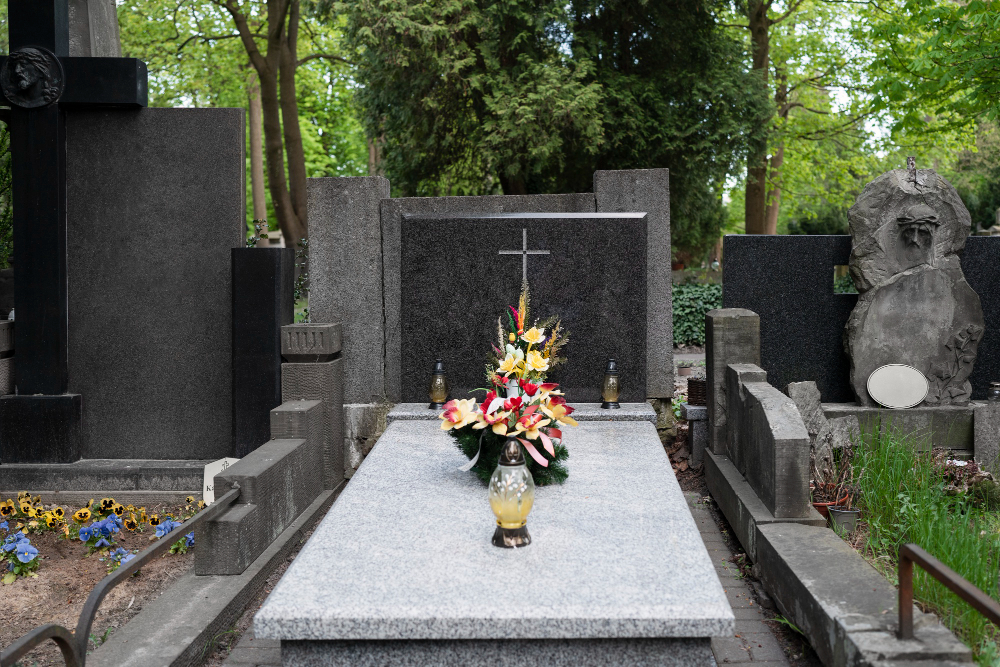
Most families arranging a memorial have never been through the process before and are not sure what to expect. Full body tombstone installation in Gauteng involves more planning than a simple headstone because the slab covers the entire grave, which means more ground work, more granite, and more coordination with the cemetery. Understanding each stage in advance makes the whole experience less overwhelming and helps you ask better questions along the way.
Here is how full body tombstone installation services in Gauteng typically unfold, from the first phone call to the finished memorial.
Step 1: Initial Consultation
The process starts with a conversation about the person being memorialised, the family’s budget, and any specific design ideas already in mind. This is also the point where practical details get discussed, such as which cemetery the grave is in and whether it already has an existing base or slab from a previous burial. A good consultation asks more questions than it answers at this stage, since the design decisions that come later depend on getting these basics right.
It also helps to bring photos or references if you have a particular style in mind, whether that is a simple slab with clean lines or something with more detail. A specialist who takes notes and asks follow-up questions during this stage is generally paying closer attention than one who rushes toward a quote.
Step 2: Design and Material Selection
Once the scope is clear, attention turns to the design itself. This covers the granite colour, the finish, the layout of the slab and headstone, and the wording for the inscription. Families who want to see finished examples before deciding can usually ask to view a catalogue of completed tombstone designs for reference, which makes it easier to describe what you want rather than starting from a blank page.
Granite is the standard material for full body tombstones in South Africa because it holds up well against sun, rain, and years of outdoor exposure. Within that, there is still real choice: black, grey, and reddish-brown granite each give a different look, and polished versus honed finishes change how the light catches the stone. Some families also add a vase holder, a decorative border, or a small photo plaque to personalise the design further.
Step 3: Written Quotation
A full body tombstone typically costs more than a headstone alone, since it involves a larger slab, more granite, and additional labour to install. A clear written quote should separate out the cost of the granite work, the engraving, delivery to the cemetery, and installation, rather than bundling everything into one number. This step also usually confirms a rough timeline, since manufacturing a full body tombstone takes longer than producing a small headstone, often several weeks once the design is finalised.
Step 4: Checking Cemetery Requirements
Every cemetery in Gauteng sets its own rules for full body tombstones, including maximum dimensions, base depth, and sometimes restrictions on colour or material for certain sections. Before manufacturing begins, the specialist should confirm the exact grave dimensions and any cemetery-specific requirements. Skipping this step is one of the more common causes of delay, since a slab that does not fit the available space has to be remade at extra cost and extra time.
Step 5: Manufacturing and Engraving
With the design approved and the cemetery requirements confirmed, the granite is cut, shaped, and engraved off-site. This includes the main slab, the headstone, the base, and any additional elements such as a vase holder or decorative border. Lettering and any photo engraving happen during this stage as well. Most specialists will send a proof of the final design and wording for approval before cutting begins, since correcting an engraving mistake after the fact is far more difficult than catching it on paper first. Some providers, such as specialists offering full body tombstone installation services in Gauteng, handle the design, engraving, and installation as one connected process, which reduces the number of handoffs between different suppliers.
Step 6: Site Preparation
Before the tombstone arrives, the grave site needs to be prepared. This usually means clearing the area, checking the ground has settled enough to support the weight of a full body slab, and building a solid foundation that will keep the tombstone level for years. Ground that has not fully settled after a burial can shift, so timing matters here. Most specialists recommend waiting a set period after burial before a full body tombstone is installed, to give the ground time to stabilise properly before the heavier slab is placed on top of it.
Step 7: Delivery and Installation
On installation day, the granite pieces are delivered to the cemetery and assembled directly on the prepared foundation. This is physically demanding work, since a full body slab is heavy and needs to be positioned precisely. The base goes down first, followed by the main slab and headstone, with each piece checked for level and alignment as it is placed. A careful installer takes the time to get this right the first time rather than rushing to finish quickly, since correcting a poorly set slab later is far more disruptive than doing it properly the first time.
Step 8: Final Inspection and Handover
Once everything is in place, a final check confirms that the tombstone is level, secure, and matches the approved design and wording exactly. Many families choose to visit the grave shortly after installation to see the finished memorial for themselves. This is also a good time to ask what maintenance, if any, the granite needs going forward, and who to contact if anything needs attention in the years ahead, whether that is cleaning, relettering, or a repair.
Scheduling Around Gauteng’s Weather
Installation day depends on more than just the granite being ready. Gauteng’s summer months bring regular afternoon thunderstorms, which can make foundation work and slab placement difficult, or unsafe, on short notice. Many specialists build some flexibility into the installation date for this reason, particularly between November and March. Winter months tend to offer more predictable, dry conditions, which is part of why some families notice more installations scheduled during that period.
None of this means installation cannot happen in summer. It simply means a realistic specialist will factor weather into the schedule rather than promising a fixed date regardless of conditions, and will communicate clearly if a storm pushes the installation back by a day or two.
What to Ask Before You Start
A few direct questions before the process begins can prevent most problems later:
- How long does the full process typically take, from consultation to installation?
- Does the quote include foundation work, or is that billed separately?
- How do you confirm the cemetery’s exact size requirements before manufacturing?
- What happens if the grave site needs more preparation than expected?
- Who do I contact if the tombstone needs attention after installation?
A specialist who answers these clearly, without hedging, has usually handled enough installations to know exactly what can go wrong and how to avoid it.
How Full Body Tombstones Compare to a Headstone Alone
Families weighing a full body tombstone against a simpler headstone are really deciding between two different levels of coverage and cost. A headstone alone sits at the head of the grave and generally costs less, with a shorter manufacturing time. A full body tombstone covers the whole grave, uses considerably more granite, and takes longer to both manufacture and install because of the additional foundation work involved. Neither option is inherently better. The right choice usually comes down to budget, the look the family wants, and how much of the grave they want covered in stone.
Why the Process Matters as Much as the Result
Full body tombstone installation services in Gauteng involve more coordination than many families expect going in: design approval, cemetery compliance, manufacturing, site preparation, and a careful installation day. Each stage protects against a different kind of mistake, from a spelling error in the engraving to a slab that settles unevenly because the ground was not given enough time to stabilise. A memorial that is planned carefully at every stage, rather than rushed through any single one, is one a family can visit for years without a second thought about the work behind it.
