

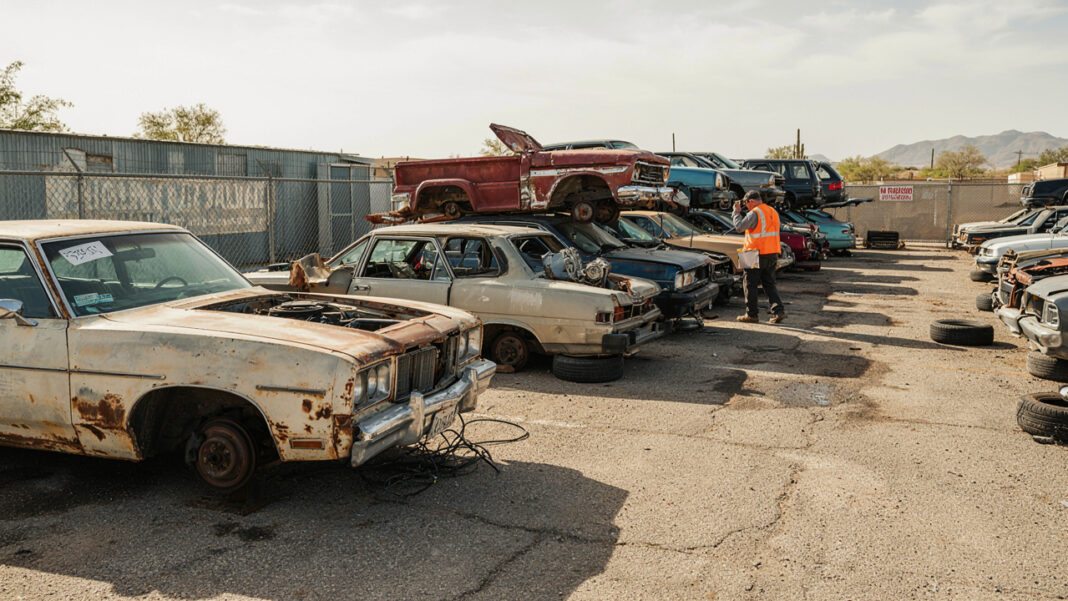

An unused car can slowly turn into a daily inconvenience. It occupies parking space and makes property maintenance harder. Rust, flat tires, and leaking fluids can create additional problems. Fortunately, junk car removal in Fort Saskatchewan offers owners a practical way to clear unwanted vehicles.
Getting rid of an old car does not require complicated planning. The process becomes easier when owners understand the necessary steps. Vehicle condition, ownership documents, and pickup access all matter. Preparing these details early can prevent delays.
Why Keeping a Junk Car Creates More Problems Over Time
An unused vehicle rarely improves while sitting outdoors. Weather exposure can damage its body, tires, and electrical components. Small leaks may also become harder to manage. Eventually, the vehicle may require special handling during removal.
A parked junk car can also restrict driveway access. It may block storage areas or interfere with other vehicles. For homeowners with limited space, this creates unnecessary inconvenience. Arranging junk car removal in Fort Saskatchewan can restore access without requiring expensive repairs.
How to Know When Your Vehicle Is Ready for Removal
Not every damaged vehicle needs immediate disposal. Some cars remain worth repairing despite their age. However, repeated breakdowns can make continued ownership impractical. The decision should consider repair costs, reliability, and future usefulness.
Consider removal when the vehicle has major mechanical failures. Severe rust or extensive collision damage may also influence the decision. Long periods without use can make restoration increasingly difficult. A realistic assessment helps owners avoid spending money without clear benefits.
What Information Should You Gather Before Scheduling Pickup?
Vehicle details help removal providers understand what they will collect. Start with the make, model, and approximate year. Explain whether the engine starts and the wheels roll. Mention missing components or visible damage.
Accurate information supports smoother junk car removal arrangements. A vehicle with locked wheels may need additional equipment. Missing tires can also affect loading requirements. Sharing these conditions beforehand reduces unexpected complications.
Check Your Ownership Documents Before Making Arrangements
Vehicle ownership should be established before transferring an unwanted car. Gather available registration records and supporting identification. Confirm that the ownership information matches the intended transaction. Resolve any uncertainty before scheduling collection.
Registration status and ownership proof are separate considerations. An expired registration does not automatically establish transfer eligibility. Requirements can depend on the vehicle’s circumstances. Owners should confirm applicable Alberta procedures before completing the handover.
How to Prepare Your Junk Car for Pickup
Start by removing personal belongings from the vehicle. Check the glove compartment, trunk, and storage pockets. Look beneath seats for documents, tools, and forgotten valuables. These items are easy to overlook.
Next, inspect the area surrounding the parked vehicle. Remove objects that might obstruct loading equipment. Make sure the provider knows about narrow driveways or difficult access. These simple preparations help junk car removal proceed efficiently.
What Happens During the Vehicle Removal Process?
The process usually begins with a vehicle condition assessment. The provider may ask questions about damage and accessibility. Pickup arrangements follow once both parties understand the vehicle’s condition. Any agreed payment and collection terms should be confirmed beforehand.
During collection, the vehicle may be loaded onto suitable transport equipment. Non-running cars often require additional loading assistance. The owner should verify the agreed handover details before releasing the vehicle. Keeping transaction records provides useful documentation afterward.
Can a Junk Car Be Removed Without Running?
A vehicle does not necessarily need a working engine. Many damaged cars can be transported without being driven. However, loading requirements depend on their physical condition. Flat tires, seized brakes, and missing wheels can complicate collection.
Explain these issues before confirming junk car removal. Providers can then determine whether appropriate equipment is available. This avoids assumptions about standard towing arrangements. Clear communication matters more than the vehicle’s ability to start.
Common Mistakes That Can Delay Junk Car Removal
One common mistake involves providing incomplete vehicle information. Another is overlooking personal belongings before collection. Some owners also forget to confirm ownership requirements. Each issue can create avoidable delays.
Pickup access deserves equal attention. Vehicles parked behind obstacles may require additional preparation. Confirming collection arrangements also prevents confusion about timing. A short checklist can make the entire process more predictable.
Frequently Asked Questions
Can I remove a junk car with flat tires?
Flat tires do not always prevent removal. The provider must assess loading conditions first. Additional equipment may be necessary for safe collection.
Should I remove the license plate?
Confirm the applicable Alberta plate and registration requirements before handover. Do not assume the plate transfers with the vehicle.
How quickly can an unwanted car be collected?
Pickup timing depends on availability, location, and vehicle accessibility. Providing accurate details can help avoid scheduling delays.
Final Thoughts
An unwanted vehicle should not continue occupying valuable space indefinitely. Preparation makes the junk car removal in Fort Saskatchewan process more manageable. Clear ownership records and accurate vehicle details are particularly important. With these steps completed, owners can arrange collection with fewer complications.