

When you spend time outdoors, the weather can change very fast. One day may feel warm and calm. The next day may be cold, wet, or windy. You need clothing that protects you and keeps you comfortable all day long. The right jacket can make a big difference in your safety and comfort, especially during long hours outside.
In this guide, we will help you choose the best Tactical Jackets for cold, rainy, windy, and warm weather. You will also learn how to compare fabric, fit, insulation, waterproof features, and durability so you can find the right option for your needs.
Why the Right Tactical Jacket Is Important
A tactical jacket is made for performance. It is stronger than a regular coat. It is designed for movement, protection, and long-term use. Many people wear them for hiking, camping, law enforcement, security jobs, and daily outdoor work.
Tactical Jackets are popular because they combine durability, comfort, and smart design. They often include strong zippers, reinforced stitching, and secure pockets. These features make them useful in both urban and outdoor settings.
Understanding Different Weather Conditions
Before you choose a jacket, think about where you live and how you plan to use it. Weather in the United States can vary greatly from state to state.
Cold and Snowy Weather
If you live in colder states like New York, Illinois, or Colorado, insulation is very important. A good winter jacket should trap body heat and block cold wind. Insulated linings, fleece interiors, and high collars help protect against freezing temperatures.
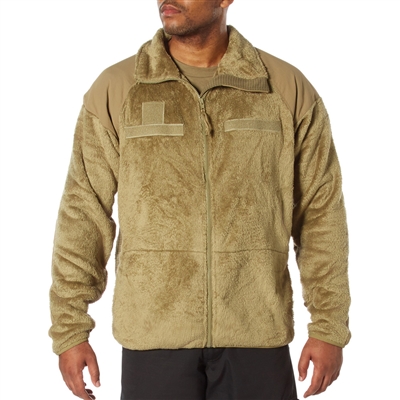
Many Tactical jackets military designs are created for cold training environments and northern U.S. bases. These jackets are built to keep service members warm during long hours outdoors. They are thick, wind-resistant, and strong enough for snow and ice.
Rain and Wet Conditions
In places like Washington, Oregon, or Florida, rain protection is essential. A waterproof or water-resistant outer shell keeps moisture out while allowing airflow inside. Sealed seams and covered zippers add extra protection against heavy rain.
A rain-ready jacket should also be breathable. This helps reduce sweat buildup during movement. Tactical Jackets designed for wet climates often use advanced materials that balance water protection and comfort.
Windy Conditions
Wind can lower your body temperature quickly. Even on a cool day, strong wind can make you feel much colder. A jacket made with wind-resistant fabric helps keep warmth inside. Adjustable cuffs and a fitted waist also prevent cold air from entering.
Warm and Mild Weather
In warmer regions like Texas, Arizona, or Southern California, you may not need heavy insulation. A lightweight jacket works better. Breathable materials and vent panels allow heat to escape. These jackets provide light protection without causing overheating.
Types of Tactical Jackets
Different styles are designed for different needs. Understanding these options helps you make the right choice.
Softshell Tactical Jackets
Softshell jackets are flexible and lightweight. They are good for mild cold and light rain. They allow easy movement and feel comfortable during active tasks. Many people choose them for hiking, patrol work, and everyday use.
Hardshell Tactical Jackets
Hardshell jackets offer stronger protection from heavy rain and wind. They are made with waterproof materials and are ideal for stormy weather. If you live in a wet region, this type may be the best option.
Insulated Tactical Jackets
Insulated jackets are designed for winter. They contain inner padding or quilted lining to trap body heat. Tactical jackets, military styles used in colder American regions often include thick insulation for long outdoor missions and field training.
Choosing the Right Fit
Fit plays a big role in comfort and performance. A jacket that is too tight can limit movement. One that is too loose may not keep you warm.
Your jacket should allow you to move your arms freely. The sleeves should reach your wrists, and the length should cover your waist. If you plan to wear layers underneath, make sure there is enough room without feeling bulky.
Important Features to Consider
Modern Tactical Jackets often include features that improve performance and usability. Many designs include multiple pockets placed on the chest, sleeves, and inside the jacket. These pockets allow you to carry small tools, phones, gloves, or other gear safely.
Durable fabrics like ripstop nylon and strong polyester blends are common in tactical outerwear. These materials resist tears and hold up well under stress. Reinforced stitching adds strength and extends the life of the jacket.
Zippers should feel solid and smooth. Adjustable cuffs, hoods, and waistbands allow you to customize the fit based on weather conditions. These small details can greatly improve comfort.
Layering for Changing Weather
Layering helps you adapt to different temperatures throughout the day. A simple system works best. Start with a base layer that pulls sweat away from your skin. Add a middle layer for warmth. Finish with a protective outer layer.
Many Tactical Jackets are designed to serve as the outer layer. They block wind, rain, and cold air while allowing movement and comfort underneath.
Conclusion
Choosing the right jacket depends on your climate, daily activities, and personal needs. Think about insulation for cold weather, waterproofing for rain, breathability for warm days, and durability for tough jobs. A well-made jacket will protect you, keep you comfortable, and last for years.
If you are searching for reliable Tactical Jackets made for real American weather conditions, ArmyNavyUSAoffers a wide selection built for performance, durability, and comfort. Their Tactical Jackets are designed to handle cold winters, heavy rain, strong winds, and everyday outdoor use across the United States.