

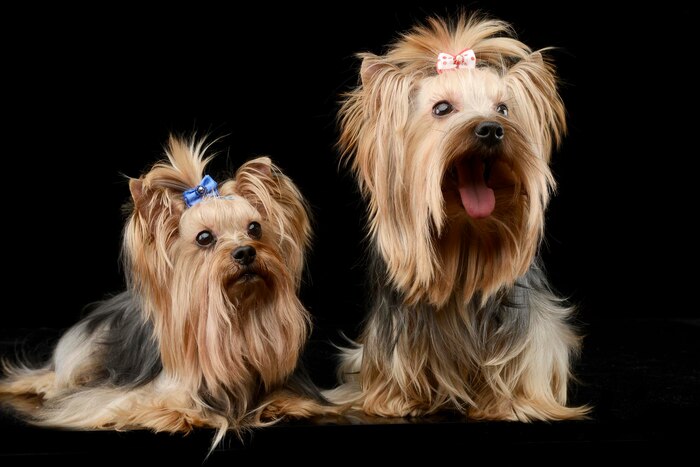

Photos cannot show you records, and a friendly voice cannot show you terms. That is the central problem for anyone learning how to choose a Yorkie breeder. The best method is to decide by documented answers and not by adjectives. These ten questions give you a way to do that. Ask each one, write down the reply, and compare breeders side by side.
Before You Ask Anything: Six Quick Checks
Some answers are visible before the first call. Look for these on the breeder’s page or in a first message:
- A stated town or location
- A working phone number
- A named breed or cross and named parents
- Clear ways to make contact
- Details that match across listings
- No pressure language
A missing item is a reason to ask a question and not a verdict. No single check proves a breeder is legitimate. Taken together, though, they show whether the breeder expects to be checked.
1. Which Breed or Cross Is the Puppy?
A Yorkie is a purebred Yorkshire Terrier. A Morkie is a Maltese and Yorkshire Terrier cross. Appearance alone does not confirm which one a puppy is, so ask the breeder to state it plainly and to name the parents.
2. Who Are the Parents?
You should be able to learn the parents’ names, and ideally see photos or meet them. Ask about their size, their coats, and how they behave. The parents are your best preview of the puppy, because no source can promise how an individual puppy will turn out.
3. Which Health Records Exist for Each Parent?
The American Kennel Club lists recommended health tests for Yorkshire Terriers, including patella and eye evaluations. A recommended test is not proof that a specific dog had it. Ask for written results for each parent, match each record to the named dog, and take copies to your veterinarian.
4. How Is Current Availability Confirmed?
A listing is a snapshot of one day. Ask how the breeder confirms which puppies are open and how often the page is updated. Some breeders state their rule openly. A Yorkie and Morkie breeder in Yadkinville, North Carolina, for example, says no puppy is listed on its site unless it is confirmed, and it asks callers to phone for current status. A clear rule like that is something you can test with one call.
5. What Is Included With the Puppy?
Ask for a written list. It might cover records, paperwork, a first set of care instructions, or items sent home with the puppy. Do not assume. If something matters to you, ask about it by name.
6. Is a Guarantee Offered in Writing?
If a breeder offers a guarantee, read what it covers, how long it lasts, and what you must do to use it. Spoken promises are hard to check later. A written guarantee is easier to compare between breeders.
7. What Do the Deposit and Refund Terms Say?
Ask what the deposit covers, whether it is refundable, and what happens if the puppy is no longer available. Ask whether the balance is what remains after the deposit or the full price. Compare the total in writing, not the headline number.
8. How Do Visits or Pickup Work?
A local breeder can usually offer a visit, and a distant one may offer a video call. Ask to see the puppy, the parents, and the living area. Ask how pickup works. A breeder who welcomes these requests is usually comfortable with the setting. One who dodges them is giving you information.
9. When Can the Puppy Go Home?
Puppies cannot leave on demand. Ask how the go-home date is set and how you will be told if it changes. If the date depends on the puppy’s progress, ask what that means in practice. Some buyers join a waiting list for a future litter, and that is a normal path.
10. Can I Have These Answers in Writing?
This final question ties the rest together. If an answer is unclear or changes between calls, ask for it in writing and wait for the written version before you decide. Keep copies. Prefer the breeder who gives specific, written, checkable answers.
Why Written Answers Beat Spoken Ones
A phone call is good for first impressions and quick answers. It is poor for terms. People forget details, mishear numbers, and remember promises differently a month later. A written answer gives both sides the same text to point to.
This is the core of how to choose a Yorkie breeder with confidence. After each call, send a short message that repeats what you heard, such as “You said the puppy is available and the balance is due at pickup. Is that right?” A good breeder will reply and correct anything that is wrong. If the reply never comes, or the terms change, you have learned something important before spending a dollar.
Keep every message, quote, and record in one folder. When you take the puppy to your vet, bring the folder.
Questions Worth Asking About Your Own Fit
Choosing a breeder is half the decision. The other half is whether a Yorkie fits your life. Ask yourself these before the first call:
- Will someone be home for most of the day?
- Can you commit to years of brushing and coat care?
- Is your home safe for a very small dog, with no easy falls?
- Do children in the house know how to handle a tiny puppy?
- Can you pay for food, grooming, and vet care over the dog’s life?
If any answer is no, fix it first or reconsider. A good breeder will ask you questions too, and you should welcome them.
Red Flags at a Glance
These patterns suggest you should slow down or walk away.
What you notice
Why it matters
No town or phone number
You cannot verify who you are dealing with
Same photos on unrelated sites
The puppy may not exist
Pressure to pay before speaking
A common scam pattern
Answers that change between calls
Terms may not hold
No records for the parents
Nothing to check with your vet
Refusal to allow a visit or video call
You cannot see the setting
One red flag is a question to ask. Several together are a pattern. A puppy priced far below others with a request for gift cards or a wire transfer is a classic scam, so step back and try a different breeder.
How to Compare Two Breeders Fairly
Use the same ten questions for each breeder and keep notes in two columns. Score each answer as specific and written, specific but spoken, or vague. After two or three calls, the pattern is easy to see. The breeder with the most written answers, a clear way to reach them, and no pressure is usually the strongest candidate.
Do not decide on photos alone. A photo shows a cute puppy on one day. It cannot show parent records, written terms, or how the breeder treats questions.
What to Do Once You Have Chosen
After you pick a breeder, book a first vet visit for soon after the puppy comes home, and bring the written records. Ask the breeder what the puppy has been eating so the first meals match. Set up a safe, confined area, and guard against falls near stairs and furniture. A small puppy can be hurt in a short drop.
Keep the first days quiet and simple. A calm routine helps a new puppy settle faster than any toy or treat.
A Short Checklist to Take With You
Print the ten questions and bring the sheet to every call. When you know how to choose a Yorkie breeder by documents and not by charm, the decision gets much easier. Ask, record, compare, and wait for the paper. A good breeder will not mind the wait.