

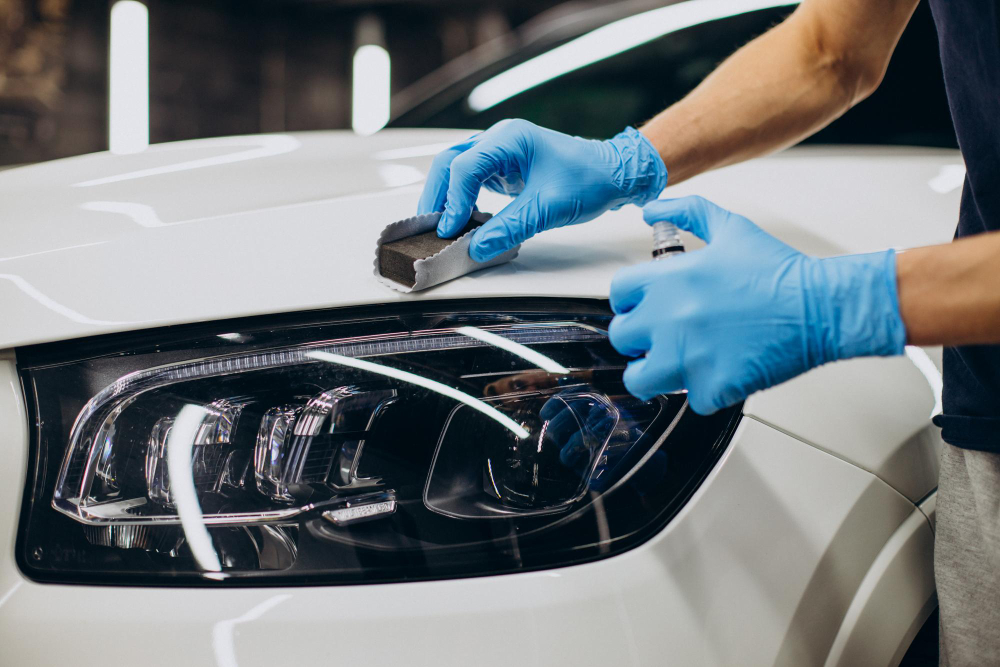

A scratch on a car door looks the same from ten feet away, whether it is a faint swirl or a groove down to bare metal. The difference shows up in the repair. A light mark can vanish in an afternoon. A deep one can start to rust within weeks. Knowing which kind you have is the first step in car scratch repair, and it takes about ten seconds.
This guide explains how automotive paint is built, how to read a scratch by its depth, and what each depth usually needs. It also covers cost ranges, timing, insurance and the mistakes that turn small marks into large bills. The focus is on drivers in Bedford, Massachusetts, where road salt, winter grit and tight parking lots all take a toll on paint.
What Is Actually on Your Car’s Surface
Car paint is not one coat. It is a stack of thin layers, each with a job. Reading a scratch means working out how many of those layers it has cut through.
- Clear coat. The top layer. It is transparent and glossy. It shields the color from sun, bird droppings and small abrasions.
- Base coat. The color layer. It carries the shade you picked at the dealership but has no real strength of its own.
- Primer. A gray, beige or white layer that helps the color stick to the panel and adds some protection against moisture.
- Bare metal. The steel or aluminum panel underneath. Once this is exposed, moisture and oxygen can begin to corrode it.
The whole stack is thinner than most people expect. That is why a scratch that looks minor can reach the metal faster than a driver would guess.
The Fingernail Test and the Water Test
Two quick checks tell you most of what you need to know before anyone touches the paint.
The water test
Wash the area and wipe it with a wet cloth. If the scratch seems to disappear while the surface is wet, it is almost certainly in the clear coat. Water fills the shallow groove and bends light the way the clear coat did before the damage. When the surface dries, the mark returns.
The fingernail test
Drag a fingernail gently across the scratch at a right angle. If the nail glides over without catching, the damage is shallow. If the nail catches in the groove, the scratch has gone deeper than the clear coat. The stronger the catch, the deeper the cut.
Neither test replaces a professional look under proper lighting. They do help you describe the damage and judge whether a quick fix is realistic.
Four Scratch Depths and What Each One Needs
Repair shops sort scratches by the deepest layer that has been reached. Each depth calls for a different method.
Level one: clear coat scratches
These are visible in direct light, fade when wet and leave the color intact. Shopping cart marks, fingernail scratches around door handles and wash-induced swirls are typical examples. The usual fix is machine polishing, sometimes called paint correction. A technician removes a very thin layer of clear coat so the groove levels out. No repainting is involved.
Level two: base coat scratches
Here the color layer has been cut. The scratch looks dull or matte, and the color may look lighter than the surrounding paint. Polishing cannot fix this, because the missing color has to be replaced. The repair is usually color-matched spot paint, or repainting the panel when the damage is spread out.
Level three: primer scratches
A gray, beige or white line means the primer is showing. The fingernail will catch clearly. This depth needs urgency, because the primer does not seal out moisture the way fresh paint does. In Massachusetts weather, with winter salt and spring rain, rust can start in a matter of weeks. The repair involves cleaning and treating the area, then rebuilding color and clear coat in layers.
Level four: bare metal
Shiny silver or dull gray metal in the groove is the most serious case. It usually comes from deep keying or a hard impact. Bare metal rusts quickly. The repair needs surface treatment, primer, base coat and clear coat, and it often means repainting the whole panel so the finish blends evenly.
Why Bedford Drivers Should Care About Timing
New England is hard on exposed primer and metal. Road crews spread salt and sand for much of the winter, and the slush it creates sits in every groove it can find. A scratch that is cosmetic in July can be a rust spot by March.
A practical rule helps here. If the mark is clear coat only, there is no rush, although polishing sooner keeps the finish looking uniform. If the fingernail catches, treat it as time sensitive. Wash the car, keep the area clean and book an assessment before the next salt storm.
What the Repair Process Looks Like
Whatever the depth, a proper repair follows a sequence. One Bedford shop publishes a five-stage process for scratch work that serves as a good model for what to expect from any reputable body shop.
- Assessment. A technician looks at the damage and explains the options.
- Inspection under directional lighting. Angled light shows the true depth and length of the scratch and how far the damage spreads.
- Surface preparation. The area is cleaned, and raised edges around the scratch are lightly sanded so the surface is smooth.
- Color-matched base coat. Paint is applied in thin, even layers rather than one heavy pass.
- Clear coat, blending and inspection. The new clear coat is blended into the old, polished, and checked under several kinds of light.
Thin layers matter. A heavy coat can run, dry unevenly or leave a visible edge. The final multi-light inspection catches problems that look fine in the shop but show up in sunlight.
Costs and Timing by Depth
Prices for car scratch repair vary by shop, vehicle and paint type, so any figure is a starting point and not a quote. As one local example, Invisible Touch Inc. publishes ranges on its scratch repair page covering depth levels, prices and turnaround. The shop lists the following for typical work.
- Clear coat scratches fixed by polishing: $100 to $200, usually finished the same day.
- Base coat scratches fixed by spot repair: $200 to $400, usually about one day.
- Deep scratches or keying that need a full panel repaint: $350 to $600 or more, usually one to two days.
- The assessment is listed as free and takes 15 to 30 minutes.
The shop gives an overall range of $150 to $600 depending on depth and method, and says most scratch repairs take one to two days. These numbers come from the shop’s own page, so confirm them before planning a budget. The pattern is what counts. Shallow damage costs less and takes less time. Deep damage costs more because it needs more steps and more paint.
A hypothetical example
Picture a driver who finds a long scratch on a rear quarter panel after a parking lot incident. The water test shows it fading when wet, so it looks like clear coat damage. A technician confirms this under angled light. Polishing is enough, and the car is back the same day. Now picture a second driver whose fingernail catches in a similar-looking scratch. It turns out to reach the primer. The repair is larger, takes longer and costs more. The two scratches looked alike in a quick photo. Depth made the difference.
Keying, Vandalism and Insurance
A long, deliberate scratch down the side of a car is often called keying. It is usually deep, and it often crosses several panels. Insurance may apply here.
According to the shop’s page, keying can be covered under comprehensive insurance as vandalism, subject to the deductible, and filing a comprehensive claim for it does not affect at-fault accident history. Policies differ, so a driver should read the policy or call the insurer to confirm. A written estimate before the decision helps in weighing the repair cost against the deductible. If the estimate sits close to the deductible, paying directly may make more sense. If it is well above, a claim may be worth exploring.
Photos of the damage taken in daylight before any repair give the insurer clear evidence.
Common Mistakes With Scratches
Most scratch problems get worse because of what happens after the damage, not the damage itself.
- Using touch-up pens on deep scratches. The paint dries as a visible blob and rarely matches the surrounding finish.
- Rubbing with abrasive compounds. Aggressive rubbing at home can cut through the clear coat and create a duller patch than the original scratch.
- Ignoring primer or metal. A gray or silver line that is left alone invites rust, and rust spreads under the paint.
- Using household products. Toothpaste, baking soda and similar hacks mostly polish unevenly and can leave fine scratches of their own.
- Waiting through winter. Salt and moisture speed up corrosion in every exposed groove.
How to Choose a Shop for Car Scratch Repair Near Bedford
Drivers searching for car scratch repair near Bedford will find many options, from mobile detailers to full body shops. The right choice depends on the depth of the damage. A polishing job for a light mark suits a skilled detailer or body shop. A primer or metal-level scratch needs a shop with a paint booth and color-matching equipment.
A few questions separate careful shops from careless ones.
- Will the technician explain the depth of the scratch and the method chosen?
- Is the color matched to the car’s paint code and checked under more than one light?
- Is the estimate written, with the price range for each method?
- Is there a warranty on the workmanship, and what does it cover?
- How long will the car be off the road?
The shop in this example lists a lifetime workmanship warranty and serves Bedford, Arlington, Burlington, Concord, Lexington, Waltham and Woburn. Whatever shop a driver picks, the warranty terms should be read and understood before the work begins.
Keeping Paint in Good Shape After a Repair
A fresh repair is a good moment to change a few habits. Wash the car regularly in winter to remove salt, and avoid automatic washes with stiff brushes. Park away from shopping carts and tight spaces when possible. A coat of wax or a ceramic coating adds a sacrificial layer that takes minor abrasions before they reach the clear coat.
Matching the Repair to the Scratch in Bedford
The core idea is simple. Depth decides everything. A clear coat mark needs polishing. A base coat scratch needs color. A primer or metal scratch needs prompt, thorough repair. The water test and the fingernail test give a fair first read, and a free assessment settles the rest.
For drivers looking into car scratch repair in Bedford, the useful move is to learn the depth, get a written estimate and act before salt season on anything that catches a fingernail. Invisible Touch Inc. is one of the local shops that handles this kind of work, and the same checklist applies to any shop a driver considers. Small marks stay small when they are read correctly, and large ones cost less when they are caught early.