


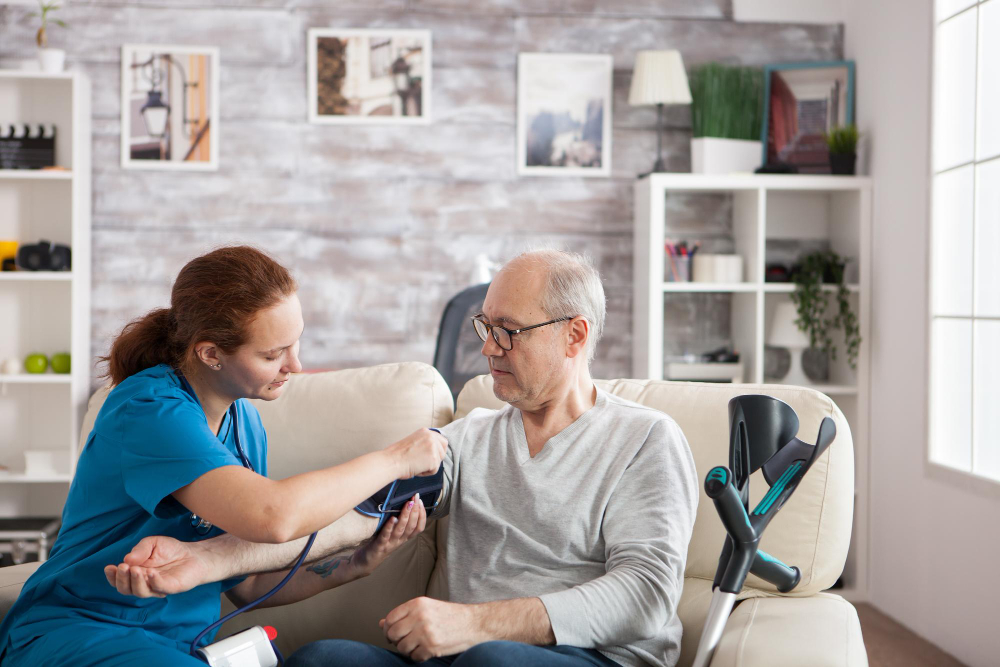
People with disabilities often need ongoing medical support. Some need daily help. Others need complex clinical attention. Hospital care is not always the right long-term solution. This is where community-based support plays a vital role.
Community nursing care allows people to receive professional medical services at home. It supports safety, independence, and dignity. It also reduces hospital visits. For many families in Australia, this form of care provides stability and peace of mind.
In this article, we explain how it works, who needs it, and why it matters.
What Is Community Nursing Care?
Community care refers to professional health services delivered outside a hospital setting. It usually takes place in a person’s home. Services are provided by a Registered Nurse (RN) or Enrolled Nurse (EN).
The goal is simple. Deliver safe and structured clinical support in a familiar environment.
Unlike hospital care, this model focuses on long-term health management. It supports people living with disability, chronic illness, or complex medical needs.
Community nurses follow a personalised care plan. They work closely with families, general practitioners, allied health professionals, and support coordinators. This ensures continuity of care.
Who Needs Community Nursing Support?
Not everyone requires clinical intervention. But many people living with disability do.
1. People with Physical Disabilities
Individuals with spinal cord injuries, multiple sclerosis, or muscular dystrophy often require daily monitoring. They may need wound management, catheter care, or medication supervision.
Regular care ensures complications are detected early.
2. Individuals with Intellectual or Developmental Disabilities
Some participants with autism, cerebral palsy, or Down syndrome have complex medical conditions. They may require PEG feeding, seizure monitoring, or behavioural health support.
Professional nurses provide structured oversight and reduce health risks.
3. Participants with High-Intensity Support Needs
Under the NDIS framework, high-intensity daily personal activities may include:
- Complex bowel care
- Enteral feeding
- Tracheostomy management
- Subcutaneous injections
These tasks must be delivered by qualified professionals. Community-based care ensures safety and compliance with NDIS Quality and Safeguards standards.
Core Services Included in Community Nursing Care
Community nurses provide a wide range of services. Each service is tailored to the participant’s health goals.
Medication Management
Medication errors can lead to serious harm. Nurses:
- Administer prescribed medication
- Monitor dosage
- Observe side effects
- Coordinate with doctors
Structured care improves medication safety.
Wound and Pressure Injury Care
People with limited mobility are at risk of pressure injuries. Nurses:
- Clean and dress wounds
- Monitor healing
- Prevent infection
- Educate caregivers
This reduces hospital admissions and speeds recovery.
Chronic Disease Management
Many individuals live with long-term conditions such as:
- Diabetes
- Respiratory illness
- Epilepsy
- Cardiovascular disease
Ongoing nursing care helps manage symptoms and prevent complications.
Continence and Catheter Care
Improper catheter management increases infection risk. Community nurses ensure sterile procedures and routine monitoring.
PEG Feeding and Nutritional Support
Enteral feeding requires strict protocols. Nurses ensure correct feeding techniques and equipment maintenance.
Post-Hospital Recovery Support
After discharge, patients often feel vulnerable. Community care bridges the gap between hospital and home. It promotes safe recovery and reduces readmission rates.
The Role of Nursing Services in the NDIS Framework
The National Disability Insurance Scheme (NDIS) funds supports that help participants live independently. Clinical support falls under specific budget categories.
Depending on the plan, nursing care may be funded under:
- Core Supports
- Capacity Building
- High-Intensity Daily Personal Activities
Registered NDIS Providers must follow strict compliance guidelines. Care documentation, incident reporting, and risk management are mandatory.
Nurses also collaborate with:
- Support Coordinators
- Plan Managers
- Allied Health professionals
- General Practitioners
This integrated approach ensures participant goals are achieved.
Benefits of Community Nursing Care
The advantages go beyond medical treatment.
Promotes Independence
Receiving care at home allows individuals to stay in a familiar environment. This increases emotional comfort and confidence.
Reduces Hospital Visits
Preventative monitoring reduces emergency admissions. Early detection prevents complications.
Improves Quality of Life
Structured support enhances daily functioning. It allows participants to focus on personal goals, education, or employment.
Supports Family Caregivers
Families often feel overwhelmed. Community nurses provide clinical reassurance. They educate family members and offer guidance.
Encourages Person-Centred Care
Every care plan is tailored. Services align with medical needs and personal preferences.
How Community Nurses Work with Families
Family involvement is essential. Nurses do not replace caregivers. They support them.
Community nurses:
- Provide health education
- Train families on equipment use
- Develop risk management plans
- Offer respite options
This collaborative model creates a stable support network.
Ensuring Safety and Compliance
Healthcare delivery must follow strict standards. Registered providers comply with:
- NDIS Practice Standards
- Infection control guidelines
- Medication management protocols
- Clinical governance frameworks
Documentation is detailed. Risk assessments are routine. Transparency is critical.
Professional nursing care reduces liability risks and ensures regulatory compliance.
Technology in Community Nursing
Modern healthcare uses digital tools to improve outcomes.
Community nurses may use:
- Electronic care records
- Telehealth consultations
- Remote health monitoring devices
- Automated medication reminders
Technology improves communication and service efficiency.
Choosing the Right Community Nursing Provider
Selecting a provider requires due diligence.
Check Registration
Ensure the organisation is a Registered NDIS Provider. Verify credentials of all nursing staff.
Assess Experience
Experience in disability-specific clinical support matters. Complex care requires specialised training.
Review Care Planning Process
A reliable provider develops structured, transparent care plans. Goals must be measurable.
Confirm Availability
Some participants need 24-hour or on-call support. Service flexibility is important.
Evaluate Communication
Clear communication between nurses, families, and allied health professionals is essential.
Reliable care depends on teamwork and accountability.
Community-Based Healthcare in Australia
Australia is seeing growing demand for home-based healthcare. More people are choosing to age in place. Many participants prefer in-home disability support over institutional settings.
This shift increases the importance of structured community nursing care. It supports long-term health sustainability.
Government policies now emphasise person-centred care. Funding models focus on independence and quality of life.
Community nurses are central to this transformation.
Long-Term Impact on Disability Support
Sustainable healthcare requires proactive intervention. Community nurses monitor patterns. They identify risks early. They prevent escalation.
This approach lowers system-wide healthcare costs. It also improves patient satisfaction.
For people living with disability, the benefits are life-changing. Structured care supports dignity. It promotes autonomy. It enhances safety.
Final Thoughts
Community nursing is more than clinical treatment. It is a bridge between healthcare systems and everyday life. People with disabilities deserve safe and consistent support. They deserve services tailored to their needs. They deserve care delivered with respect. Professional community nursing care makes this possible. It empowers individuals to live independently. It supports families. It strengthens the wider healthcare ecosystem.