

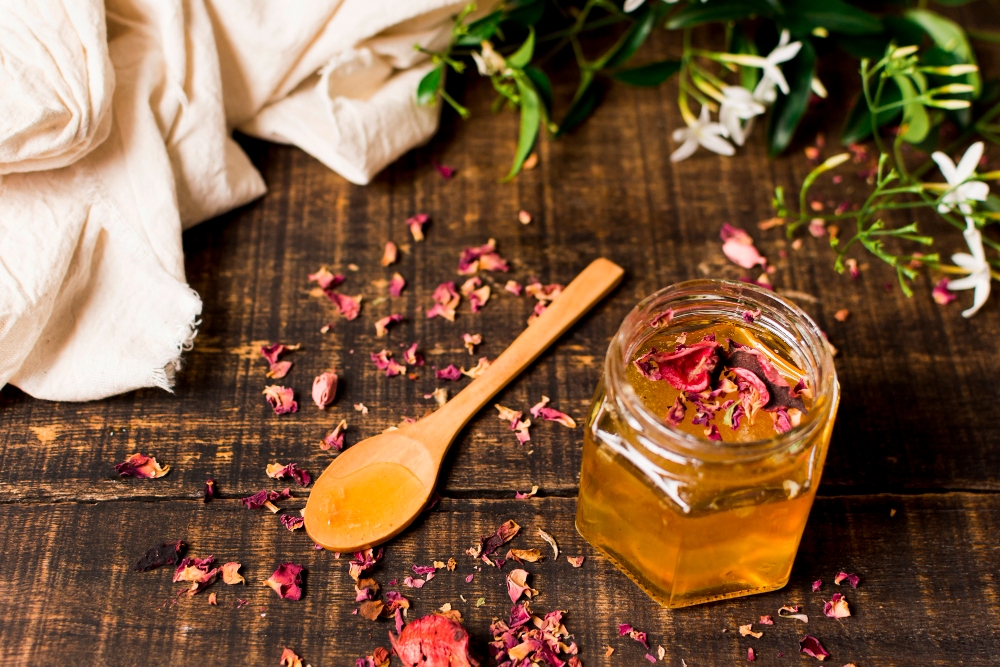

Honey has been enjoyed for thousands of years. It is sweet, natural, and made by bees. But not every honey is the same. Manuka Honey in Doha, Qatar has become one of the most famous and premium types of honey in the world.
Known for its rich taste, limited supply, special natural compounds, and strict quality testing, Manuka honey stands apart from many common kinds of honey. People across the world now buy it as a premium food and natural wellness product.
What Is Manuka Honey?
Manuka honey is a special honey mainly linked with New Zealand. Bees make it by collecting nectar from the flowers of the Manuka plant, also called Leptospermum scoparium.
The Manuka plant grows naturally in New Zealand and some parts of Australia. Its small flowers bloom for only a limited time. This gives bees a short period to collect the nectar needed to make authentic Manuka honey.
The plant, location, weather, bees, and short flowering season all play a role in making this honey special.
Why Is Manuka Honey So Special?
One reason Manuka honey is different is its natural chemical profile. It contains methylglyoxal (MGO), a compound closely linked with the unique properties of Manuka honey.
Manuka honey may also contain other naturally occurring compounds from its floral source. The amount and balance of these compounds can vary from one jar to another.
This is why genuine Manuka honey is often tested before it reaches the market.
Understanding MGO and UMF Ratings
When shopping for Manuka honey, you may see terms such as MGO and UMF on labels.
MGO refers to methylglyoxal. An MGO number shows the measured level of this compound in the honey. Different MGO grades help buyers compare products.
UMF, or Unique Manuka Factor, is another grading system used for qualifying Manuka honey. It looks at specific markers to help confirm the honey’s quality and authenticity.
These grading systems give shoppers more information than they usually get with standard table honey.
Limited Supply Makes Manuka Honey Premium
Real Manuka honey cannot be produced everywhere.
Beekeepers need access to areas where Manuka plants grow and flower. The blooming period can be short, and weather conditions may affect how much nectar bees can collect.
Rain, wind, temperature, hive health, and flowering levels can all change the size of the honey harvest.
This limited production helps explain why Manuka honey is expensive compared with many regular honeys.
Careful Beekeeping and Harvesting
Producing high-quality Manuka honey takes careful work.
Beekeepers may place hives in remote areas with strong Manuka growth. They must watch the hives, flowering season, weather, and bee activity.
Once the honey is collected, it needs careful handling, storage, testing, packing, and transport.
Every step adds time and cost. It also helps protect the quality of the final product.
Testing Helps Protect Authenticity
The high value of Manuka honey makes authenticity very important.
Quality testing can help check whether a product matches the standards needed for genuine Manuka honey. Tests may examine chemical markers, composition, and other features connected with its Manuka origin.
New Zealand also has rules for honey sold for export as Manuka honey. These controls help buyers understand what they are purchasing and support trust in the global market.
When buying Manuka honey, shoppers should check the label, origin, grading information, and producer details.
Why Do People Buy Manuka Honey?
People choose Manuka honey for many reasons. Some enjoy its bold, rich flavor. Others use it as part of their everyday diet or wellness routine.
It can be eaten from a spoon, spread on toast, added to yogurt, or mixed into foods. Many people also give premium Manuka honey as a gift.
Manuka honey is often discussed for its antibacterial activity and other natural properties. However, honey is still a food, and it should not be treated as a replacement for professional medical care.
Manuka Honey vs Regular Honey
Both Manuka honey and regular honey are made by bees, but their floral sources and chemical profiles can be different.
Regular honey may come from clover, wildflowers, acacia, or many other plants. Manuka honey comes from nectar linked to the Manuka plant and may be sold with verified MGO or UMF grades.
Its limited harvest, testing requirements, traceability, unique flavor, and international demand all help give Manuka honey its premium position.
How to Choose Quality Manuka Honey
Look beyond an attractive jar when buying Manuka honey. Check where the honey comes from and whether the label clearly shows its grade.
Look for trusted MGO or UMF ratings, clear product information, proper packaging, and a reliable seller. A very cheap product claiming to be high-grade Manuka honey deserves extra attention.
Good labeling makes it easier to compare Manuka honey grades and choose a product that matches your needs and budget.
Conclusion
Manuka Honey in Doha, Qatar has become a premium honey worldwide because it combines a rare floral source, limited production, natural MGO content, careful harvesting, quality testing, grading, and strong global demand.
Its story begins with bees and the Manuka flower, but its value also comes from the work needed to prove quality and bring genuine honey to customers.
For shoppers exploring premium and carefully sourced honey, Honey Valley can help make quality honey part of a simple and enjoyable everyday experience.