

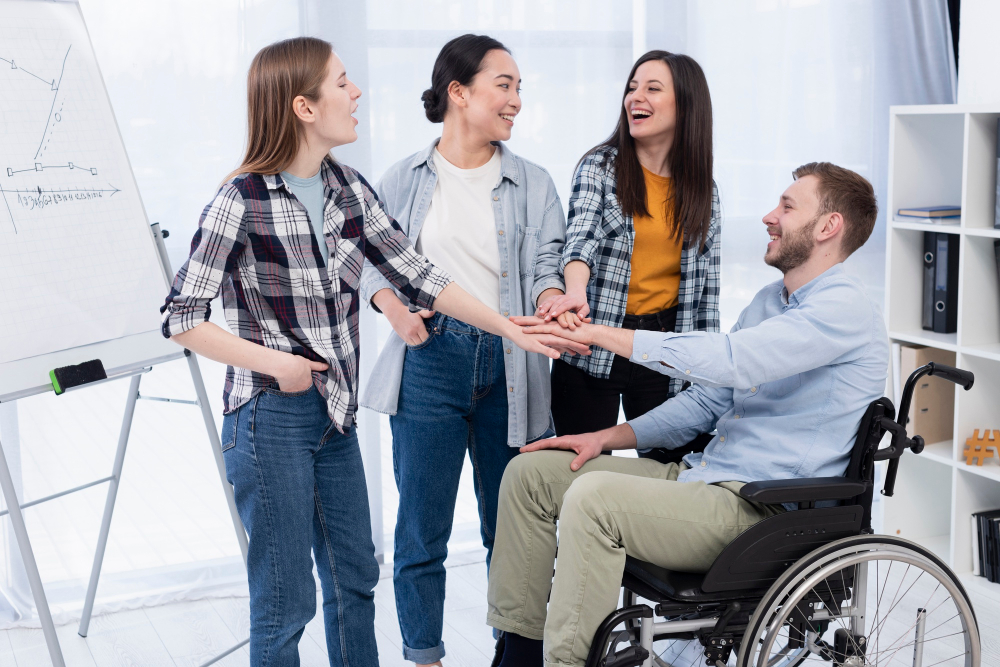

Mental health is just as important as physical health. When people feel connected, valued, and supported, their minds become stronger. One of the best ways to improve mental health is through community participation.
At MKS Disability Services, we see every day how joining community activities can change lives. For people living with disabilities, NDIS participants, older adults, and people who feel lonely, being part of the community builds confidence, friendships, and purpose.
In this blog, we explain why community participation is essential for mental health, how it works, and how support services in Melbourne can help.
What Is Community Participation?
Community participation means taking part in activities outside the home. It includes:
- Social community participation
- Group and centre activities
- Sports and recreation
- Art and music programs
- Volunteering
- Local events and outings
- Faith or cultural gatherings
- Community classes
For NDIS participants, this may fall under Innovative Community Participation or Participate Community supports.
It is about being included. It is about belonging.
What Is Mental Health?
Mental health is how we think, feel, and act. It affects:
- Mood
- Stress levels
- Confidence
- Relationships
- Daily life skills
Good mental health helps people cope with stress, build friendships, and make decisions.
Poor mental health can lead to:
- Anxiety
- Depression
- Social isolation
- Low self-esteem
- Withdrawal from others
Community connection plays a big role in protecting mental well-being.
The Link Between Community and Mental Health
Humans are social beings. We are not meant to live alone. When people feel isolated, their mental health can suffer.
Community participation improves mental health by:
- Reducing loneliness
- Building friendships
- Creating routine
- Increasing confidence
- Giving a sense of purpose
Research shows that strong social connections lower the risk of depression and anxiety. People who stay active in their communities often feel happier and more positive.
1. Community Participation Reduces Loneliness
Loneliness is a major problem in Australia. Many people, including those with disability, feel alone.
When someone joins a group activity, they:
- Meet new people
- Share stories
- Laugh together
- Feel seen and heard
Even simple activities like a weekly group session or a community outing can make a big difference.
For NDIS participants in Melbourne, structured community programs help create safe spaces to connect.
2. It Builds Confidence and Self-Esteem
When people try new things, they grow.
Joining a class, attending a group program, or learning a new skill helps people:
- Feel proud
- Gain independence
- Improve communication skills
- Develop daily living skills
For example, someone who joins a cooking group learns more than cooking. They learn teamwork, planning, and social skills.
At MKS Disability Services, we support people through Development – Life Skills and Innovative Community Participation programs that help build confidence step by step.
3. It Supports Emotional Wellbeing
Community activities help regulate emotions.
Being active in a group can:
- Reduce stress
- Lower anxiety
- Improve mood
- Create positive thoughts
Physical movement, social interaction, and meaningful engagement release “feel good” chemicals in the brain.
Activities like art therapy, group walks, music sessions, or shared living programs can improve emotional balance.
4. It Creates a Sense of Purpose
Having a reason to get up in the morning is powerful.
Community participation gives structure and routine. It gives people something to look forward to.
Purpose can come from:
- Volunteering
- Helping others
- Learning new skills
- Attending weekly programs
- Being part of a team
When people feel needed, their mental health improves.
5. It Improves Social Skills
Some people struggle with communication. This can lead to social anxiety or isolation.
Community participation helps people practice:
- Conversation skills
- Active listening
- Problem-solving
- Conflict resolution
- Teamwork
Support workers and disability support providers can guide participants during social interactions. Over time, these skills grow naturally.
6. It Encourages Independence
Independence improves mental health.
When people learn how to:
- Travel safely
- Attend community programs
- Manage daily tasks
- Join social groups
They feel more in control of their lives.
Through Assist – Travel / Transport, NDIS transport assistance, and Assist Personal Activities, individuals can access the community safely and confidently.
Community Participation for People with Disability
People living with disability may face barriers such as:
- Limited mobility
- Transport challenges
- Social anxiety
- Communication difficulties
- Lack of support
That is where professional disability care and NDIS support services play a key role.
An experienced NDIS provider in Melbourne can:
- Create a personalised support plan
- Provide a disability support worker
- Arrange safe transport services
- Support community nursing care when needed
- Assist with daily personal activities
This makes participation easier and safer.
Community Participation Under the NDIS
The National Disability Insurance Scheme (NDIS) supports community involvement through several categories:
- Innovative Community Participation
- Social Community Participation
- Development – Life Skills
- Assist – Life Stage, Transition
- Assist Access / Maintain Employment
These supports help participants:
- Join social groups
- Attend community programs
- Build employment skills
- Improve daily living skills
- Increase social inclusion
If you are unsure what funding you have, an NDIS Support Coordinator can help.
Mental Health Benefits for Different Age Groups
Children and Teens
- Learn teamwork
- Build friendships
- Develop confidence
- Improve behaviour
Adults
- Reduce work stress
- Build support networks
- Increase independence
- Prevent depression
Older Adults
- Reduce isolation
- Improve cognitive health
- Maintain routine
- Increase happiness
Community inclusion is important at every stage of life.
The Role of Disability Support Workers
Disability support worker agencies play a vital role in mental health support.
A support worker can:
- Encourage participation
- Provide emotional support
- Assist with transport
- Help manage anxiety in group settings
- Ensure safety during activities
With the right support, people feel secure enough to step outside their comfort zone.
Community Participation and Employment
Work is also a form of community engagement.
Programs like Specialised Support – Employment and Assist Access / Maintain Employment help individuals:
- Build job skills
- Gain workplace confidence
- Interact with colleagues
- Develop routine
Employment improves financial stability and self-worth, both of which support mental wellbeing.
How Families Benefit Too
When a loved one participates in community programs:
- Family stress decreases
- Carers get respite
- Relationships improve
- Home life becomes more positive
Strong community ties help the whole family.
Community Participation in Melbourne, VIC
Melbourne has many inclusive programs for people with disability. These include:
- Group centre activities
- Social outings
- Community nursing care programs
- Shared living support
- Disability transport services
- Supportive tenancy services
At MKS Disability Services, we proudly support participants across Melbourne and surrounding suburbs within a 50-mile radius.
We focus on:
- Safe community access
- Personalised support plans
- Skilled and caring support workers
- 24/7 live-in care when needed
- Inclusive group programs
Our goal is simple: help people live full and meaningful lives.
Signs Someone May Need Community Support
You may notice:
- Withdrawal from friends
- Low mood
- Loss of interest
- Increased anxiety
- Staying home most of the time
Community engagement can be part of the solution.
Early support prevents bigger mental health challenges later.
Simple Steps to Get Started
- Talk to your NDIS support coordinator
- Review your NDIS plan
- Choose activities that match interests
- Start small
- Build routine
The key is consistency.
Even one weekly group activity can improve mental wellbeing over time.
Final Thoughts
Community participation is not just about going out. It is about belonging.
It improves:
- Mental health
- Emotional wellbeing
- Confidence
- Social skills
- Independence
For people living with disability, the right support makes all the difference.
At MKS Disability Services, we are proud to be a trusted NDIS provider in Melbourne. We believe everyone deserves connection, inclusion, and opportunity.
If you or your loved one is looking for disability support services, community participation programs, or NDIS disability support services in Melbourne, our team is here to help.
Because when people feel connected, they feel stronger. And strong minds lead to better lives.