

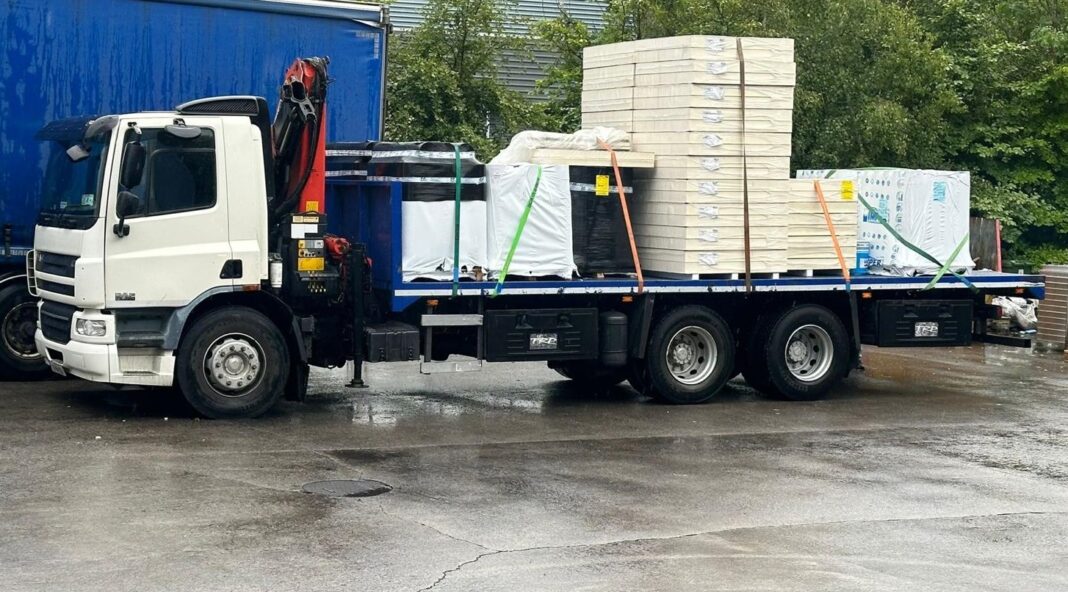

A missed pallet delivery rarely announces itself in advance. Stock is due for a production run, a loading bay is booked, and then a truck that was meant to arrive by mid-morning shows up mid-afternoon, or not at all. A dependable pallet delivery service in Dublin is the difference between that scenario staying rare and it becoming a recurring headache for a warehouse manager.
What separates the two isn’t complicated, but it’s rarely obvious from a website alone. It comes down to how a company schedules deliveries, how honestly it communicates delays, and how well it handles the practical details of getting a load of pallets from a yard to a loading bay without damage or confusion.
Scheduling That Matches How Businesses Actually Operate
Warehouses and production sites rarely run on flexible time. A delivery slot that’s an hour early or late can mean a driver waiting outside a locked gate, or a loading bay standing idle while other work backs up behind it. A pallet delivery service worth relying on gives a realistic delivery window rather than a vague “sometime today,” and updates that window proactively if something changes rather than leaving a business to chase for an update.
This matters more for businesses running tight schedules around production or dispatch. A supplier that treats delivery timing as an afterthought tends to cause the most disruption for exactly the businesses that can least absorb it.
It’s also worth asking how far in advance a delivery slot needs to be booked, and whether that changes during busy periods. A service that can only offer next-day delivery in quiet weeks but stretches to a week or more once demand rises is one worth knowing about before a genuinely urgent order comes up, rather than discovering the gap at the worst possible moment.
Handling That Protects the Load
Pallets themselves are sturdy, but a delivery handled carelessly can still arrive with cracked boards, loose stacking, or a mismatched count. Good handling starts before the truck even leaves the yard, with pallets loaded and secured in a way that survives the actual drive rather than just looking tidy on departure. It continues at the destination, where a driver who knows how to unload safely avoids the kind of rushed, careless handling that damages boards or, worse, causes an injury on site.
This is one area where asking a supplier directly pays off. A company that can describe how loads are secured and unloaded, rather than giving a vague assurance that “we’re careful,” is generally the one that has actually thought through the process rather than treating delivery as an afterthought to the sale.
Coverage That Matches Where You Actually Are
Not every pallet delivery service in Dublin covers the same ground. Some operate a tight radius around their base, while others run routes across the wider region with a central hub. If a warehouse or site sits outside the city centre, it’s worth confirming the delivery area directly rather than assuming “Dublin” on a website covers every postcode. A service that quietly excludes certain areas, or applies a surcharge outside its core zone, is better known about before an order is placed than discovered afterward.
Site access matters just as much as the postcode. A delivery vehicle that can’t get near a loading bay, or that arrives without knowing about restricted access hours, wastes time for everyone involved and sometimes results in a redelivery charge that could have been avoided with one phone call beforehand.
Communication When Something Goes Wrong
Every delivery service occasionally runs into a delay, whether from traffic, a mechanical issue, or a backlog at the yard. What separates a dependable pallet delivery service from an unreliable one isn’t whether delays happen. It’s whether the company tells you before you notice yourself. A service that calls ahead when a delivery is running late gives a warehouse the chance to adjust its own schedule. One that stays silent until someone calls to ask leaves the business finding out the hard way, often after other plans have already been built around the original delivery time.
This kind of proactive communication is a reasonable thing to ask about before committing to a supplier. A company that hesitates to describe how it handles delays, rather than giving a clear answer, is telling you something about how the relationship will go once a real delay actually happens.
Consistency Across Repeat Orders
A single good delivery doesn’t prove much. What matters more for a business that orders pallets regularly is whether the service stays consistent across the tenth delivery and the fiftieth. Businesses that source pallets from an established local supplier, such as C&C Pallet Services, are generally better placed to expect that consistency, since a company with an established local operation has already worked out the scheduling and handling details that a newer or more distant supplier is often still figuring out.
Checking recent reviews, rather than an overall average built up over years, is one of the more reliable ways to gauge this. A company that was consistent two years ago isn’t automatically consistent today, and recent complaints about missed windows or damaged loads are a more current signal than a star rating that hasn’t been checked in months.
Consistency also shows up in smaller details that are easy to overlook when comparing suppliers on price alone. Does the same driver tend to cover the route, or does it change every time? Is the paperwork accurate and complete on every delivery, or does someone in the warehouse need to chase a corrected note each month? These aren’t dramatic failures on their own, but they add up into either a supplier a business trusts without thinking about it, or one that needs checking every single time.
Pricing That Reflects the Real Job
Delivery cost for pallets depends on distance, load size, and whether the price includes unloading assistance or just a kerbside drop. A supplier who quotes a flat delivery fee without asking these questions is either rounding in their own favour or hasn’t thought through what your specific order actually requires. It’s worth confirming whether unloading is included, since assuming the wrong answer on delivery day often means either a delay while someone finds a forklift or a driver who won’t leave until the load is off the vehicle.
Comparing two services on delivery cost alone, without confirming what’s actually included, rarely gives an accurate picture. A slightly higher quote that includes proper unloading and a realistic delivery window is often better value than a lower one that leaves a business to handle the awkward parts itself.
What to Ask Before Choosing
A short conversation before placing a first order tends to reveal most of what matters. Ask about the realistic delivery window for your area, how the company communicates delays, whether unloading is included, and what happens if a load arrives with a mismatched count or visible damage. A supplier who answers these questions directly and without hesitation is generally showing you how the relationship will run once an order is actually placed, and that’s worth more than any promise printed on a website.
It’s also reasonable to ask for a rough answer, not a guaranteed figure, on how the company handles a genuinely urgent request outside its normal schedule. Businesses don’t always know in advance when a production issue or an unexpected order will create a same-day need, and knowing whether a supplier can flex for that, even occasionally, is useful information to have before it becomes necessary.
Choosing a Pallet Delivery Service That Won’t Let You Down
Finding a pallet delivery service in Dublin is easy. Finding one that turns up on time, handles the load properly, and tells you honestly when something changes takes a bit more work, but it’s work that pays off the first time a delivery would otherwise have gone wrong. Ask the direct questions above before committing to a supplier, and pay closer attention to how clearly they answer than to how polished their website looks.
The businesses that end up happiest with their pallet delivery service in Dublin are usually the ones that treated the first order as a test rather than a formality, and paid attention to how the supplier handled it before building a repeat relationship around it.