


Most people notice golden hour long before they learn its name. It is that stretch of a day when the light turns warm, the shadows soften and everything looks a little kinder. If you are planning your first portrait, family or engagement session, knowing how this light works will help you choose a time, pick a place and feel calm when the day arrives. This guide walks through the idea from the beginning, and shows how a Photographer in Rossville, GA can build a session around it.
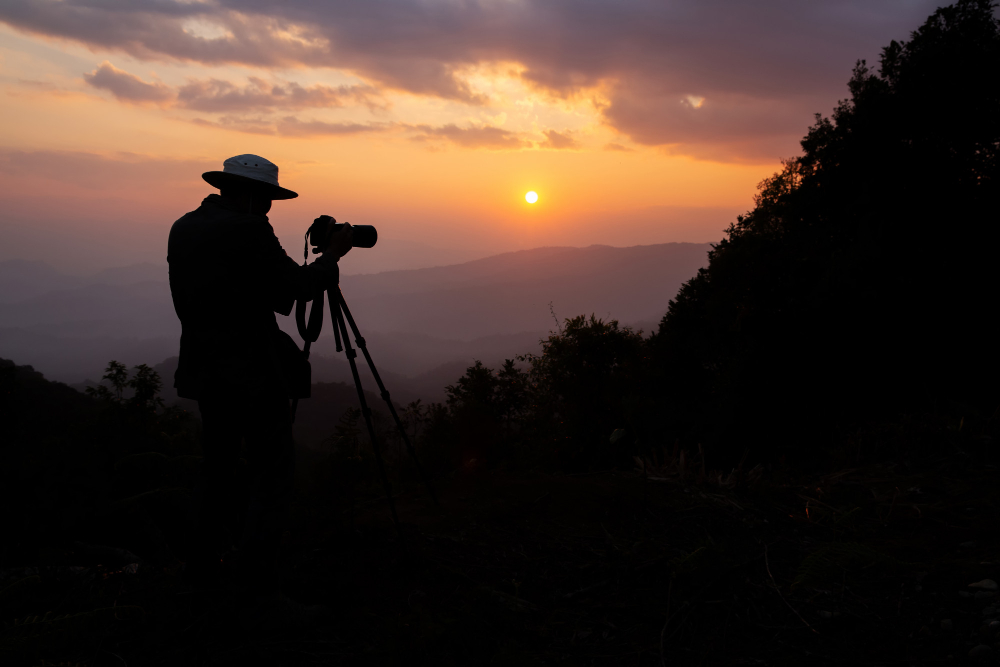
What golden hour actually means
Golden hour is a loose name for the time just after sunrise and the time just before sunset. During those windows the sun sits low in the sky. Its light has to travel through more of the atmosphere before it reaches you. That longer path scatters the cooler blue tones and leaves the warm yellow, gold and orange ones.
The result has three traits that photographers love.
- Warm colour. Skin tones look healthy and glowing, and greens and browns look rich.
- Soft contrast. The gap between the brightest and darkest parts of a scene is smaller, so details are easier to keep in both.
- Gentle direction. Light comes in from a low angle. It shapes faces without the harsh shadows that overhead sun creates.
The name says “hour,” but the real window is not exact. It changes with the season, the weather and the place. Some days the best light lasts forty minutes. On other days it lasts longer. Think of it as a window, not a stopwatch.
Why midday light is harder to work with
To see why golden hour matters, it helps to look at its opposite. At noon the sun is high overhead. The light is strong, white and flat from above. Under a hat brim or a tree, it can cast dark pools across the eyes. In open sun, it can make people squint.
Here are the common problems with harsh midday light.
- Dark shadows under the eyes, nose and chin.
- Bright, shiny patches on foreheads and cheeks.
- Squinting, because the sun is uncomfortable to face.
- Washed-out skies and flattened colours.
A skilled photographer can work around all of these. Shade, reflectors and careful posing all help. Still, golden hour does much of that work on its own, which is why it is the favourite for so many outdoor sessions.
The two golden hours: morning and evening
There are two windows each day, and they feel different.
Morning light
Early light tends to be quiet and clean. The air is often cooler, parks and trails are less crowded, and the light can have a fresh, slightly cool edge for the first few minutes. It suits families with young children who are at their best early in the day. It also suits people who want an empty location with no other visitors.
Evening light
Late-day light is the one most people picture. It is usually richer and more golden, and it can bring long, dramatic glows right at the end. Many couples and groups prefer it because it fits around work and school. The trade-off is that it can be busier at popular spots, and the light fades quickly once the sun touches the horizon.
Neither one is better in every case. The right choice depends on who is in the photos, how long they can stay comfortable and what the session is for.
Where the light goes after the sun sets
The beautiful light does not stop the moment the sun disappears. In the minutes after sunset the sky keeps glowing. This stretch is often called blue hour, because the light turns cooler and more even. It is gentle and moody, and it works well for quiet portraits, city scenes and shots that include lit windows or string lights.
It is also short. A photographer who plans a sunset session will often shoot the golden part first and keep a few minutes at the end for the softer glow that follows.
How a photographer plans a session around golden hour
This is where the craft shows. Good golden hour work is not luck. It is planning. A Photographer in Rossville, GA who works outdoors will usually think through these steps before the day.
- Check the sun times. Sunrise and sunset change through the year, so the plan starts with that day’s times, not last month’s.
- Allow arrival time. A session timed to begin right at sunset leaves no room for walking to the spot or fixing a collar. Starting earlier gives space to settle in.
- Scout the spot. Trees, hills and buildings can block low sun. A location that looks open at noon may fall into shade an hour before sunset.
- Pick the order of shots. Group photos often come first, while there is still the most light. Close portraits and softer, glowing frames come later.
- Prepare a backup. Clouds, rain or haze can change everything, so a flexible plan matters.
North Georgia and the Chattanooga area have plenty of settings that suit this kind of work, from open fields and tree lines to riverside paths and quiet town streets. Each reacts to low light differently. Leaves filter the sun, water bounces it, and open ground lets it stretch out across the scene.
Working with a local photographer on timing
Someone who knows the area has a head start. They know which parks lose the sun early, which paths open to the west and which spots stay busy on weekends. That local knowledge saves time during a short window of light.
Terry Grimes Photography LLC, a portrait, family, wedding and event studio based in Rossville, lists a process that starts with a consultation, then a photo session, then editing and retouching, and finally delivery through a digital gallery. That first step is the right moment to talk about timing, location and the look you want for your session. Bringing up golden hour in that conversation lets the photographer shape the plan around the light from the start.
A hypothetical example: a family session
To make this concrete, picture a family of five with two children under eight. This is an invented example, not a real client.
The parents want relaxed photos outdoors. Their children get tired and cranky by late evening. A late-night session at the very end of sunset would give lovely colour but risk tears. So the photographer suggests starting about ninety minutes before sunset. The group photos happen first, while the light is still bright and even. The children then get a short break with a snack. The final twenty minutes go to relaxed portraits as the light turns gold.
Notice what changed. The light did not decide the session. The family did, and the light was fitted around them. That is the heart of good planning.
What to wear and bring
Warm light flatters many colours, but some choices work better than others.
- Earth tones and soft colours usually blend well with warm light. Cream, olive, rust, dusty blue and navy are common favourites.
- Very bright neon shades can pull attention away from faces.
- Matching, not identical. A shared palette looks more natural than the same outfit on everyone.
- Comfortable shoes. Many outdoor spots involve some walking over grass or gravel.
- Layers. Evenings can cool quickly once the sun drops.
Water, small snacks for children and a lint roller can also help the session run smoothly.
Common beginner questions
Does it have to be sunny?
No. Golden hour is strongest on clear days, but overcast skies can still give soft, flattering light. Clouds act like a giant diffuser. The colour may be less golden, though the softness remains. A photographer will often adjust the plan on the day.
Can golden hour work in winter?
Yes. In colder months the sun stays lower in the sky for more of the day, so the soft, angled light can last longer. The days are shorter, so sessions often move earlier in the afternoon.
Is it only for outdoor sessions?
Mostly, yes, but not only. Low sun can pour through a window and light a portrait indoors. A photographer may use that light for maternity, family or branding images when the room allows it.
What if the timing does not fit my schedule?
Many good sessions happen outside golden hour. Open shade, a covered porch or a well-lit studio space can all give gentle light at other times. A professional can often get a flattering result in the middle of the day with the right spot and posing. Golden hour is one tool, not a requirement.
A short checklist before you book
If this is your first session, a few simple steps make the day easier.
- Decide who will be in the photos and how long they can comfortably stay.
- Choose morning or evening based on energy levels, not just looks.
- Ask the photographer which locations catch the best light at the time you want.
- Agree on a backup date in case of rain.
- Plan outfits a few days ahead so there is no rush.
- Arrive a little early so everyone is relaxed when the light is at its best.
Light, patience and a plan for your first session
Golden hour is simple at its core. A low sun gives warm, soft, forgiving light, and a good plan makes the most of it. For a first-timer, the main lesson is that timing matters, but flexibility matters just as much. Clouds come, children get restless and the best spot changes with the season.
Anyone looking for a Photographer in Rossville, GA can start by asking about light. A clear answer about timing, locations and backups is a good sign that the session has been thought through. Terry Grimes Photography LLC serves Rossville, Chattanooga and North Georgia with portrait, family, event and wedding work, so it is one of the local studios people may meet while they plan. Whoever is chosen, the goal is the same: a relaxed session, in good light, with photos that look like the people in them.
