

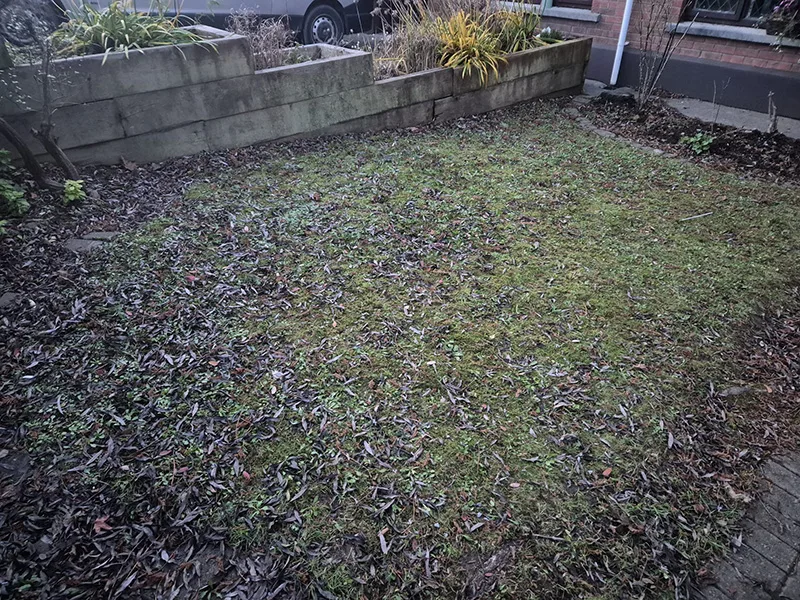

An old garden can slowly become difficult to manage. Weeds spread, shrubs grow too large, and broken pots, timber, and old furniture start taking up space. Before long, a garden that was once useful can feel more like an outdoor storage area.
For homeowners planning garden clearance in Dublin, good preparation can make the whole job easier. Before you start cutting plants or moving heavy waste, take some time to inspect the space. Knowing what aneeds to stay, what should go, and how waste will be handled can save a lot of work later.
Inspect the Garden Before You Start
Do not rush into an old garden with tools straight away. Walk around first and look at the condition of the entire space. Long grass may hide stones, broken glass, sharp metal or damaged garden tools.
A proper garden clearance should start with a simple plan. Divide the garden into smaller areas and decide which section needs attention first. This makes a large job feel much easier.
Look Beyond the Overgrown Plants
Old gardens often contain more than weeds and branches. You may find damaged fencing, rotten timber, unused plant pots, broken chairs, old toys and bags of soil.
Think about garden rubbish removal before pulling everything out. Separating green waste from general rubbish as you work can make disposal simpler.
Decide What You Want to Keep
Clearing an old garden does not mean removing everything. A mature shrub, healthy tree or established flower bed may still add value to the space.
Before starting the garden clearance, mark the plants and features you want to protect. You can then work around them instead of making decisions while cutting and clearing.
Check Trees, Sheds and Fences
Look closely at larger features. An old shed may have rotten panels or an unstable roof. Fences may contain loose nails, while damaged branches can be heavier than they appear.
If you are unsure about a large tree or unsafe structure, get useful professional advice before attempting removal.
Sort Different Types of Garden Waste
One of the biggest mistakes is putting every unwanted item into one pile. Instead, sort materials while you work.
Leaves, grass, weeds, hedge trimmings and small branches are green waste. Dublin City Council lists these types of biodegradable garden material as green waste, and some can also be managed through composting or suitable organic-waste services.
A planned garden rubbish removal job should also separate timber, metal, plastic, soil and bulky items where possible. Sorting early helps prevent a huge mixed pile from building up.
Think About How Much Waste You Will Create
An overgrown garden can produce far more waste than expected. A few large shrubs can create piles of branches once they are cut down.
Estimate the amount before beginning your garden clearance. Consider whether you have enough bags, whether the waste will fit in your vehicle, and how heavy it may become.
Plan Disposal Before Cutting Everything
Do not wait until the garden is full of waste to decide where it will go. Dublin City Council operates several locations that accept green waste, with conditions and charges applying.
For a bigger project, arranging garden rubbish removal in advance can prevent bags and branches from sitting around the property after the work is finished.
Put Safety Before Speed
Old gardens can contain hidden hazards. Wear strong gloves, suitable footwear and clothing that protects your arms and legs.
Take extra care when moving wet timber, heavy pots and large branches. Do not lift more than you can safely manage. A fast garden clearance is never worth an injury.
Children and pets should also stay away from the working area. Tools, sharp waste and unstable piles can create unnecessary risks.
Avoid Burning or Dumping Garden Waste
Once you have cleared the space, deal with the waste responsibly. Do not leave unwanted garden material on roads, paths or public land.
For suitable organic material, options may include a brown bin, home composting or an appropriate recycling facility. Proper garden rubbish removal also keeps bulky items and mixed waste from becoming another problem elsewhere.
Think About What Comes After the Clearance
A cleared garden gives you a fresh starting point. You may want a lawn, flower beds, a seating area, or simply a cleaner outdoor space that is easier to maintain.
Before completing the garden clearance, think about the next use of the garden. Keeping the future layout in mind can stop you from removing useful plants or features.
Conclusion
Clearing an old garden becomes much easier when you inspect, sort and plan before starting. Protect anything worth keeping, identify possible hazards, and arrange garden rubbish removal before unwanted material begins to pile up.
For homeowners who need garden clearance in Dublin, Fast Junk & Rubbish Removal can help take the hard work out of clearing unwanted garden waste. With the space cleared properly, you can start turning an old and neglected garden into an outdoor area you can enjoy again.