

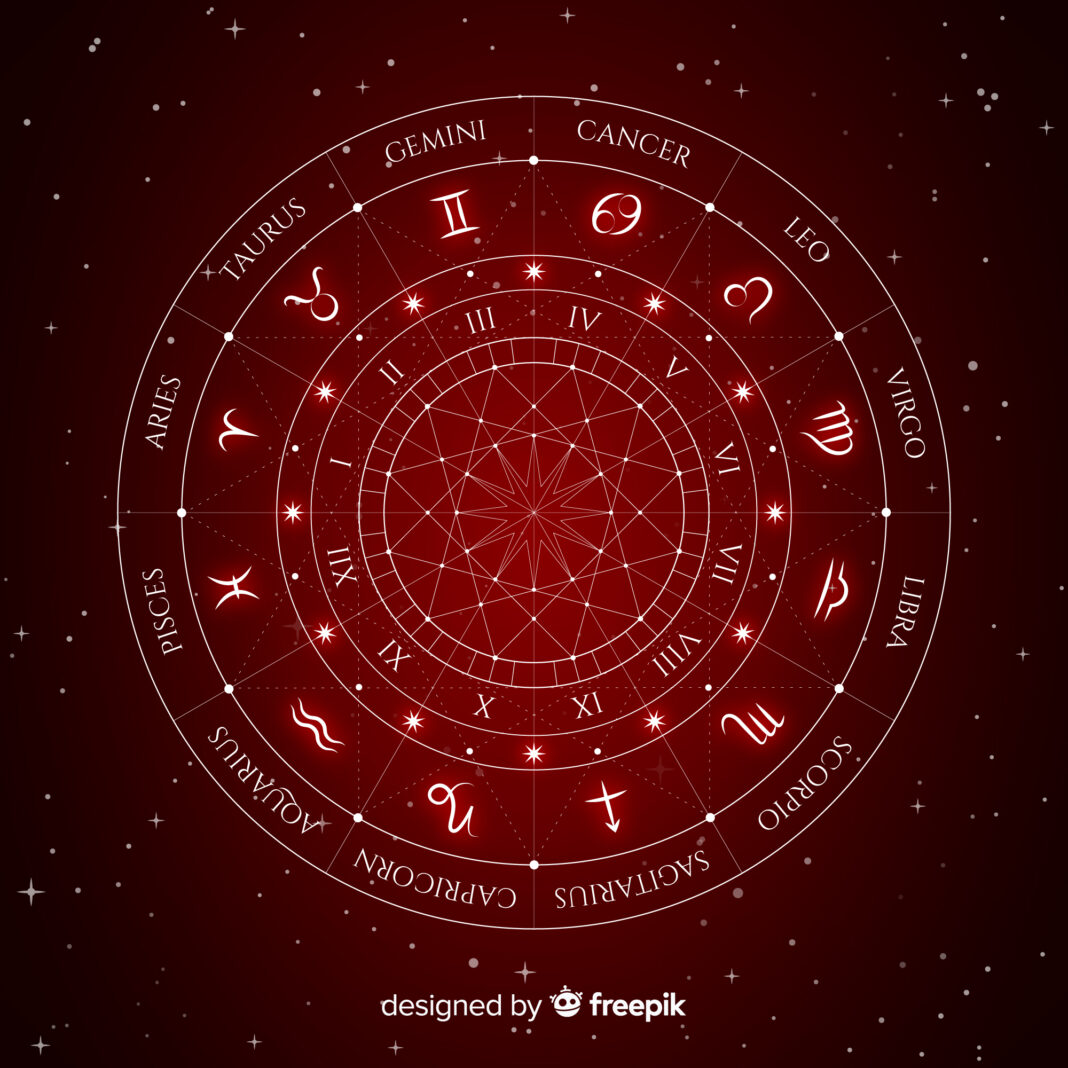

A Vedic birth chart splits the sky into 12 signs and 12 houses. It also tracks nine celestial bodies. That sounds like a lot, but the logic is simple. Anyone looking into Vedic astrology in Liverpool will meet this chart first, because nearly every reading starts from it. Knowing the basics makes the first conversation with an astrologer much easier to follow.
Vedic astrology, also called Jyotish, is a tradition from India. Its followers use it to reflect on character, relationships, career and timing. This guide explains the parts of the chart in plain language. It describes what the tradition teaches, and it does not claim that any chart can predict events with certainty.
What the Birth Chart Is
The birth chart is a diagram of the sky at the moment and place of your birth. In India it is often called a kundli or janam kundali. The astrologer works out where the Sun, Moon and planets stood against the stars. Then each one is placed in a sign and a house.
Two chart layouts are common. The North Indian style is a diamond shape in which the houses stay fixed and the signs move. The South Indian style is a square grid in which the signs stay fixed. Both show the same information. The style simply depends on the region and the astrologer’s training.
The chart is not a prediction written in stone. Practitioners describe it as a map of tendencies, and the astrologer reads it as a guide for discussion. That framing is worth keeping in mind from the first session.
The Three Building Blocks
Signs, or rashis
There are 12 signs. Western readers will recognise them as Aries through Pisces, though Vedic astrology uses Sanskrit names such as Mesha and Vrishabha. The big difference is the zodiac itself. Vedic astrology uses the sidereal zodiac, which is fixed to the stars. As a result, many people find their sign shifts by about one step compared with their Western Sun sign.
Houses, or bhavas
There are also 12 houses. Each covers an area of life, such as self, family, work, partnership or travel. The first house begins at the rising sign, called the lagna. The rising sign changes about every two hours, which is why birth time matters so much.
Planets, or grahas
Vedic astrology works with nine grahas. They are the Sun, the Moon, Mercury, Venus, Mars, Jupiter and Saturn, plus Rahu and Ketu. Rahu and Ketu are not physical planets. They are the two points where the Moon’s path crosses the Sun’s apparent path. Astrologers treat them as influences in their own right. The astrologer looks at which sign and house each graha occupies and how the grahas relate to one another.
Nakshatras and Dashas: Where Timing Comes In
Two further ideas set Vedic astrology apart. The first is the nakshatra, or lunar mansion. The zodiac is divided into 27 nakshatras of 13 degrees and 20 minutes each. The nakshatra that holds the Moon at birth carries special weight and often appears in naming and wedding traditions.
The second idea is the dasha, a planetary period. The most widely used system, Vimshottari dasha, runs on a 120-year cycle. Each graha rules a period of a set length, and the starting point comes from the Moon’s nakshatra. Practitioners say these periods give a sense of timing, with different themes coming to the foreground at different stages of life.
Beginners can think of it this way. Signs and houses describe the setting. Grahas are the characters. Nakshatras and dashas describe the passage of time. A reader who keeps these three layers apart will follow most explanations.
What to Prepare Before a Reading
A good reading depends on accurate details. Beginners exploring Vedic astrology in Liverpool can save time by gathering these items before they book:
- Your date of birth
- Your birth time, as exact as possible, from a birth certificate or hospital record
- Your birth place, including the town or suburb
- One or two questions you would like to explore
If the birth time is only a guess, say so. Some astrologers can work with a rough time. Some use a method called rectification, which narrows the time down from major life events. Neither method is exact, so treat any reading from an uncertain time with extra care.
Many practices also describe what they offer on their own sites. For example, a practice that offers Vedic astrology and lists Liverpool among its service areas says its services range from simple horoscope readings to more detailed consultations. It also mentions topics such as career, relationships and timing for decisions. Comparing descriptions like these helps a beginner choose between a short chart overview and a longer session. It does not prove results, so ask any practitioner what a session involves before you book.
How Vedic Astrology Differs From Western Astrology
Readers who know sun-sign columns often ask how the two systems compare. The differences are real, and they explain why the same person can get quite different descriptions from each.
- Zodiac: Vedic astrology uses the sidereal zodiac, and Western astrology uses the tropical zodiac
- Planets: Vedic astrology traditionally uses seven visible bodies plus Rahu and Ketu, and it usually leaves out Uranus, Neptune and Pluto
- Emphasis: Vedic readings give the Moon sign, the rising sign and the dasha periods a lot of weight. Western readings often lead with the Sun sign
- Timing: Vedic astrology relies on planetary periods, and Western astrology often relies on current planetary movements
Neither system has been shown by scientific testing to predict events. Each is a framework for reflection that has its own history and vocabulary. Which one feels right is a matter of background and taste.
What a Reading Can and Cannot Do
A Vedic reading gives a structured way to think about your strengths, habits and the timing of choices. Many people find that useful for reflection. Many families also use it for cultural occasions, such as choosing a wedding date or a naming day.
It cannot do everything. Scientific testing has not shown that astrology predicts events. A reading is best treated as a tradition and a conversation, not as a forecast. It is also not a source of medical, legal or financial advice. Those decisions belong with a doctor, a lawyer or a licensed adviser.
Watch out for strong promises. Be wary of a practitioner who guarantees a result. The same goes for one who warns of disaster unless you pay, or who pushes you to book more sessions. That goes beyond what the tradition offers. Calm, clear explanation is the better sign.
Pacing is another useful point. A first session does not need to cover the whole chart. Many astrologers prefer to start with the main themes and then go deeper if the client wants more. Taking notes, asking for terms to be explained and leaving time between sessions all help a beginner absorb what was said. There is no deadline, and no reading should leave you feeling rushed.
Learning the Language Before You Book
The best preparation for a first session is a little vocabulary. If you know what a lagna, a graha and a dasha are, you can follow along and ask good questions. If something is unclear, ask the astrologer to explain it in everyday words.
For readers who want to explore Vedic astrology in Liverpool, a short first chat by phone or message is a good start. It lets you check the method, the language of the session and the cost before committing.
Sri Murugan Astrology is one practice that lists Vedic astrology among its services. The same preparation applies to it as to any other. Bring your birth details, keep your questions open, and treat the session as a conversation rather than a verdict.

