

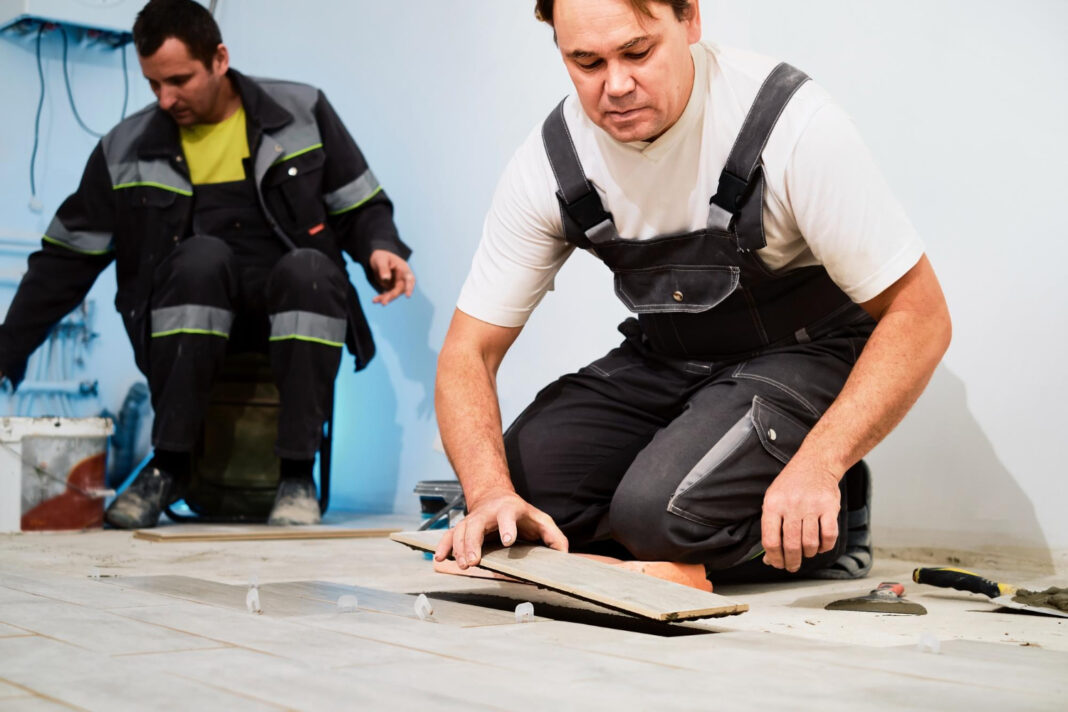

Wall and floor tiling is a great trade for people who enjoy hands-on work. Skilled tilers are needed for homes, offices, shops, hotels, and large building projects. If you want to start a career in this field, Certificate III in Wall and Floor Tiling gives you the skills and knowledge you need.
This course teaches more than just how to lay tiles. It helps you learn safe work practices, planning, measuring, surface preparation, and professional finishing. These skills can help you find work across Australia and build a strong future in the construction industry.
What Is Certificate III in Wall and Floor Tiling?
Certificate III in Wall and Floor Tiling is a nationally recognised trade qualification in Australia. It prepares students for real work in the building and construction industry.
During the course, students learn both classroom lessons and practical training. They work with different tile materials, modern tools, and real building projects. By the end of the course, they are ready to work as qualified wall and floor tilers.
Why Learning the Right Skills Matters
Good tilers do more than install tiles. They create strong, safe, and attractive surfaces that last for years.
Learning the right skills helps you:
- Complete jobs correctly
- Improve work quality
- Meet Australian building standards
- Work safely on every project
- Build customer trust
- Increase job opportunities
These skills are valuable for both new workers and those who want to grow in the construction field.
1. Measuring and Planning Tile Layouts
One of the first skills students learn is how to measure areas correctly.
This includes:
- Measuring walls and floors
- Calculating tile quantities
- Planning tile patterns
- Reducing waste
- Marking layout lines
A good layout creates a clean and balanced finish. Careful planning also saves time and materials.
2. Surface Preparation Skills
Before any tile is installed, the surface must be ready.
Students learn how to:
- Clean surfaces
- Remove old flooring
- Repair damaged areas
- Level uneven floors
- Prepare walls for tiling
- Apply waterproofing where needed
A strong surface helps tiles stay in place for many years.
3. Using Professional Tiling Tools
Every tiler needs to know how to use tools safely and correctly.
The course teaches students to work with:
- Tile cutters
- Wet saws
- Measuring tools
- Levels
- Trowels
- Spacers
- Grouting tools
- Adhesive mixers
Learning proper tool handling improves speed, safety, and accuracy.
4. Installing Different Types of Tiles
Not every tile is the same.
Students learn how to install many tile materials, including:
- Ceramic tiles
- Porcelain tiles
- Mosaic tiles
- Natural stone tiles
- Outdoor paving tiles
- Large-format tiles
Each material needs different methods and techniques.
5. Mixing and Applying Tile Adhesives
A professional tiler knows which adhesive works best for each job.
Students learn:
- Adhesive selection
- Correct mixing methods
- Proper spreading techniques
- Drying times
- Bond strength requirements
Using the right adhesive helps prevent loose or cracked tiles.
6. Grouting and Finishing Work
After tiles are installed, the finishing work is just as important.
Students learn how to:
- Apply grout evenly
- Fill tile joints
- Remove extra grout
- Polish finished surfaces
- Apply silicone sealants
- Create waterproof edges
Good finishing gives every project a clean and professional look.
7. Waterproofing Skills
Bathrooms, kitchens, laundries, and balconies need waterproof protection.
The course teaches students how to:
- Prepare waterproof surfaces
- Apply waterproof membranes
- Seal corners and joints
- Follow Australian waterproofing standards
Waterproofing helps stop leaks and protects buildings from damage.
8. Workplace Health and Safety
Safety is one of the most important parts of construction work.
Students learn how to:
- Wear personal protective equipment (PPE)
- Lift heavy materials safely
- Handle cutting equipment
- Follow workplace safety rules
- Reduce workplace risks
- Keep work areas clean
Safe workers protect themselves and others.
9. Reading Plans and Construction Drawings
Professional tilers often work from building plans.
Students learn how to:
- Read construction drawings
- Understand floor plans
- Follow measurements
- Identify tile layouts
- Work with builders and site supervisors
This skill helps projects run smoothly and reduces mistakes.
10. Problem Solving on the Job
Every project is different.
Students develop practical problem-solving skills for situations such as:
- Uneven walls
- Sloping floors
- Tile size adjustments
- Tight corners
- Unexpected obstacles
- Material shortages
Being able to solve problems quickly is a valuable skill for every tiler.
11. Communication and Teamwork
Construction projects involve many workers.
Students learn how to communicate with:
- Builders
- Site managers
- Clients
- Other trades
- Suppliers
Good communication helps projects stay on schedule and keeps everyone working together.
12. Time Management and Work Planning
Professional tilers must complete work on time.
The course helps students learn how to:
- Organise daily tasks
- Prepare materials
- Meet deadlines
- Plan each stage of a project
- Improve productivity
Strong planning makes every job easier and more efficient.
Career Opportunities After Certificate III in Wall and Floor Tiling
After completing the qualification, graduates can apply for many jobs across Australia.
Common career paths include:
- Wall and floor tiler
- Residential tiler
- Commercial tiler
- Renovation specialist
- Bathroom renovation installer
- Construction contractor
- Self-employed tiler
With experience, many tilers start their own businesses or supervise larger construction projects.
Why This Qualification Is a Smart Career Choice
Australia continues to invest in housing, commercial buildings, and infrastructure. This creates steady demand for qualified tradespeople.
Completing Certificate III in Wall and Floor Tiling gives students:
- Practical trade skills
- Nationally recognised training
- Better job opportunities
- Hands-on industry experience
- Strong career growth
- Pathways into the building and construction industry
It is an excellent choice for people who enjoy practical work and want a long-term career.
Conclusion
Learning the right skills is the first step toward becoming a successful tiler. Certificate III in Wall and Floor Tiling teaches everything from measuring and surface preparation to waterproofing, tile installation, safety, and professional finishing. These practical skills help students work with confidence and prepare them for real construction projects across Australia.
If you are ready to begin a rewarding trade career, Prisms Education can help you choose the right Certificate III in Wall and Floor Tiling course and guide you through every step of your education journey toward a successful future.