

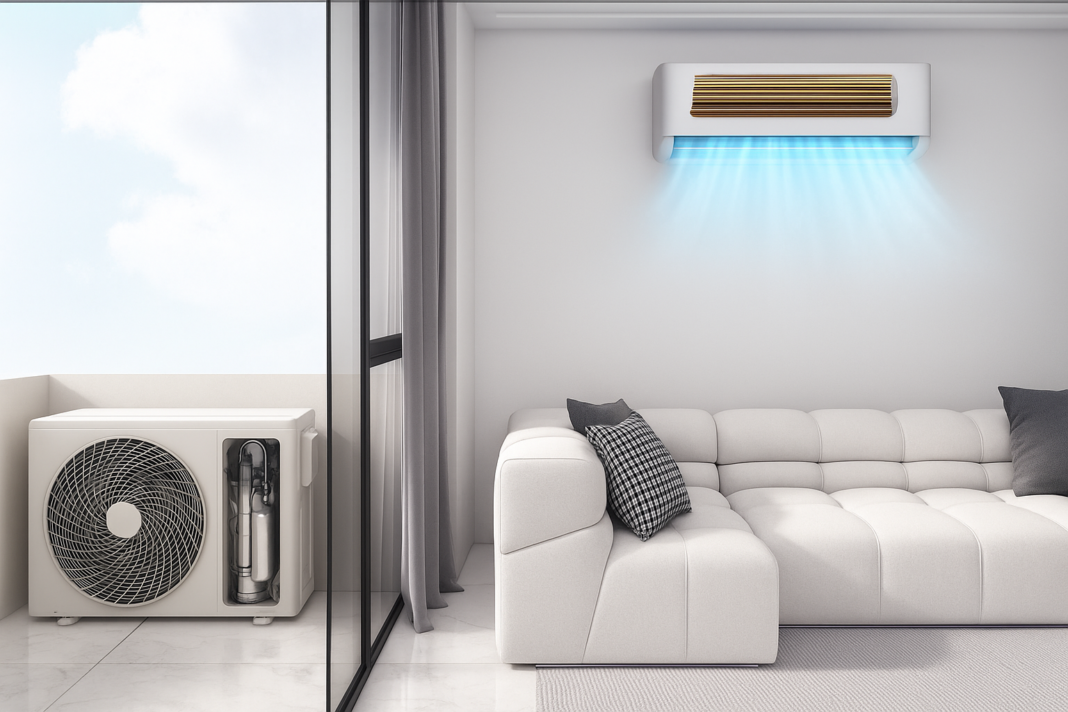

A good heating and cooling system can make your home comfortable during every season. It provides warmth on cold winter days and cool air when summer arrives. Choosing the right system also helps create steady airflow and a pleasant indoor space for your family.
Before selecting aresidential HVAC in London, it is helpful to understand what your property needs. Homeowners should consider room size, energy use, airflow, noise levels, temperature controls, and maintenance needs. The age and layout of the property can also affect your choice. Looking at these features carefully can help you find a system that is simple to use, suitable for your home, and able to provide reliable comfort throughout the year.
What Is a Residential HVAC System?
A Residential HVAC system helps control heating, cooling, and airflow inside a home. HVAC stands for heating, ventilation, and air conditioning.
Different homes need different systems. A small flat may have different needs from a large family house. The right choice depends on the property, room size, insulation, and daily use.
Choose the Right System Size
The size of an HVAC system is very important. Bigger does not always mean better.
A system that is too small may struggle to heat or cool your rooms. It may need to work for longer periods. A system that is too large may also not work as well as expected.
Check Your Home First
Before choosing a system, consider:
- Room size
- Ceiling height
- Number of windows
- Insulation
- Sunlight
- Number of rooms
- Property layout
A professional can check these details and help find a suitable system size.
Look for Good Energy Efficiency
Heating and cooling can use a lot of household energy. This is why energy efficiency should be an important part of your choice.
Check the energy details of different systems. An energy-efficient Residential HVAC system can help keep your home comfortable while helping you manage energy use.
Think About Running Costs
The buying price is not the only cost.
You should also think about electricity, servicing, filter changes, and repairs. Looking at long-term costs can help you make a better choice.
Check the Temperature Controls
Simple controls can make your HVAC system easier to use.
A thermostat lets you choose the temperature you want. Many modern systems also have timers, remote controls, and smart features.
Control Different Rooms
Not every room needs the same temperature. Bedrooms may have different needs from kitchens, living rooms, or home offices.
Some HVAC systems let you control different areas separately. This can make it easier to keep each room comfortable.
Look for Good Airflow
Good airflow helps heated or cooled air move around the home.
Poor airflow can cause one room to feel too hot while another feels cold. Furniture, curtains, or other objects can also block the movement of air.
Check the Filters
HVAC filters can collect dust and other small particles. Over time, they can become dirty and reduce airflow.
Look for a system with filters that are easy to reach, clean, or replace.
Consider Noise Levels
Noise is another feature worth checking. Some systems are quieter than others.
This can be important if equipment is near a bedroom, living room, or home office.
Think About Your London Property
Choosing Residential HVAC in London can require careful planning because many flats, terraced houses, and older homes are close to neighbouring properties.
The position of indoor and outdoor equipment should be planned carefully to manage noise and allow enough space for airflow.
Choose a System for Every Season
A good HVAC system should help keep your home comfortable throughout the year.
Heating is important during cold winter months. Cooling can help during warm summer weather. Ventilation also helps move air around your property.
Choosing a system that meets your needs in different seasons can make temperature control easier.
Look for Easy Maintenance
Regular care can help Residential HVAC equipment continue to work properly.
Filters need cleaning or changing from time to time. Outdoor equipment should also be kept free from leaves, dirt, and objects that may block airflow.
Ask About Regular Servicing
Some maintenance jobs need professional help.
Ask how often the system should be serviced before you choose it. Regular checks can help find small problems early and keep important parts working correctly.
Consider Smart Features
Modern HVAC systems may come with smart controls.
Some systems allow you to set timers or change the temperature from a phone. This can be useful if you want to control your system when you are away from home.
However, you may not need every smart feature. Choose controls that are simple and useful for your daily routine.
Check Installation Needs
Different systems have different installation needs.
Some may require indoor and outdoor units, electrical work, pipes, drains, or ventilation routes. Make sure there is enough space for all equipment.
Planning these details before buying a system can help avoid problems during installation.
Look at Warranty and Support
It is also useful to check what support is available after installation.
Ask about the warranty, servicing, repairs, and replacement parts. Knowing where to get help can make future problems easier to manage.
Conclusion
Choosing the right HVAC system means looking at more than price. System size, energy efficiency, airflow, temperature controls, noise, maintenance, smart features, and installation needs are all important.
Choosing suitable Residential HVAC in London can help keep your property warm in winter and cool in summer. Aerocontrols Air Conditioning can help homeowners understand their options and choose a system that matches their home and everyday comfort needs.