

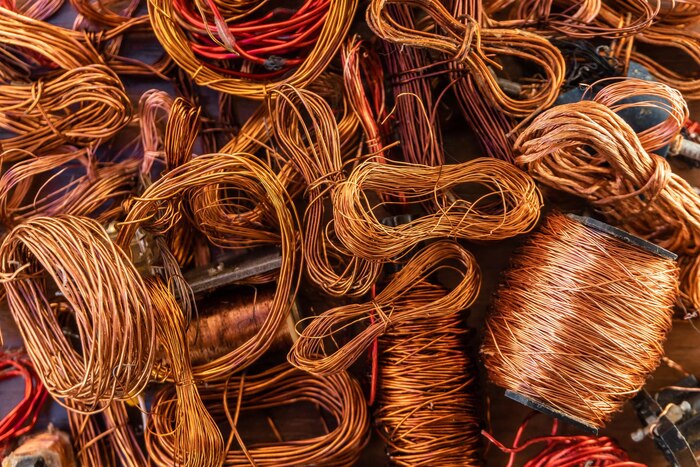

Copper is used in homes, buildings, cars, machines, and electrical systems. When old copper wire is no longer needed, it does not have to become waste. Copper can be recovered, cleaned, and used again.
One of the most valuable forms of copper scrap is Millberry scrap copper wire in Melbourne. This type of copper is known for its high purity and clean condition. Recycling it helps recover useful metal, reduce waste, and support the growing need for recycled materials.
Understanding how Millberry copper is processed can also help sellers know why clean copper wire may have a higher scrap value.
What Is Millberry Scrap Copper Wire?
Millberry copper is a high-grade form of scrap copper. It normally comes from clean, uncoated copper wire that has been stripped of plastic, rubber, and other insulation.
The copper is usually bright, clean, and free from paint, oil, solder, and other metals.
Common sources may include:
- Electrical cables
- Building wiring
- Industrial electrical systems
- Machinery wiring
- Power cables
- Demolition and renovation projects
Because the material contains a high level of copper, Millberry scrap copper wire can be valuable to scrap metal recyclers and copper buyers.
Step 1: Collection of Scrap Copper Wire
The recycling process starts with collection.
Old copper cables may come from electricians, builders, factories, demolition sites, workshops, and households. Businesses can also create large amounts of copper scrap when replacing electrical equipment.
A professional scrap copper collection service can pick up the material and take it to a recycling facility.
Keeping copper separate from general rubbish makes recycling much easier. It can also help stop valuable metal from going to landfill.
Step 2: Sorting the Copper Scrap
Once collected, the copper needs to be sorted.
Not every copper wire has the same grade or value. Some wires still have PVC or rubber insulation. Others may contain plugs, connectors, steel, brass, or other materials.
Recyclers separate clean Millberry scrap copper wire from lower-grade copper scrap.
Sorting is important because clean copper can often be processed more easily. Copper that contains other materials may need extra work before it can be recycled.
Step 3: Removing Cable Insulation
Copper electrical wire is often covered with insulation to make it safe to use.
Before the copper can reach a clean Millberry grade, this outer material needs to be removed. Professional recyclers may use cable stripping machines or other recycling equipment.
The aim is to recover clean copper without adding unwanted material.
Plastic and PVC removed from the cables may also be separated for suitable recycling or waste processing. This helps recover more useful materials from electrical scrap.
Step 4: Checking Copper Quality
After stripping and sorting, the copper is checked for quality.
Clean Millberry copper should have very little contamination. Recyclers may look for dirt, oil, paint, solder, corrosion, plastic, and mixed metals.
The condition of the copper matters because cleaner material usually needs less processing.
Copper buyers may also grade scrap before setting its value. This is why sellers should avoid mixing clean copper wire with lower-grade scrap.
Step 5: Preparing Copper for Recycling
After grading, the copper can be prepared for the next stage.
Depending on the recycling facility, copper may be cut, compacted, shredded, or placed into larger batches. This makes the material easier to handle and transport.
The prepared Millberry scrap copper wire can then move further through the copper recycling process.
Good preparation also helps recycling facilities keep different grades of metal separate.
Step 6: Melting and Refining Copper
Copper scrap can be sent to specialised facilities for further processing.
The copper may be melted at a controlled high temperature. During this stage, unwanted material can be removed. Further refining may be used when a very high level of copper purity is required.
The recovered copper can then be formed into useful shapes for manufacturing.
Recycled copper may later become new electrical wire, cables, pipes, building products, machine parts, or other copper goods.
Why Recycle Millberry Copper?
Copper is a useful natural resource. Mining new copper requires land, energy, equipment, and other resources.
Recycling existing copper keeps valuable material in use for longer.
It can also help:
Reduce Landfill Waste
Copper wire that is recycled does not need to be dumped with general waste. This keeps useful metal in the recycling system.
Recover Valuable Resources
Copper can be recycled many times. Recovering clean copper gives manufacturers another source of useful raw material.
Support the Circular Economy
A circular economy aims to reuse and recycle materials instead of throwing them away. Scrap copper recycling helps turn old electrical materials into resources for new products.
Give Scrap Copper a Financial Value
Clean copper scrap can have good resale value. The amount paid can depend on copper grade, weight, cleanliness, market conditions, and the buyer.
How to Prepare Millberry Copper for Recycling
If you plan to sell copper scrap, keep clean copper separate from insulated cables, brass, aluminium, steel, and general waste.
Avoid mixing dirt, plastic, connectors, or other materials with clean copper.
Correct sorting can make the recycling process simpler and help a scrap buyer identify the copper grade.
In Conclusion: Choose a Professional Copper Recycler in Melbourne
Millberry copper recycling is more than collecting old wire. The material must be sorted, checked, prepared, and processed correctly before it can return to the manufacturing cycle.
For people and businesses dealing with Millberry scrap copper wire in Melbourne, choosing an experienced scrap metal recycler can make collection and recycling easier.
Melbourne Scrap Copper provides scrap copper collection, buying, and recycling services across Melbourne. By recycling valuable copper instead of treating it as waste, homes, trades, and businesses can recover useful resources while helping create a cleaner and more sustainable future.