

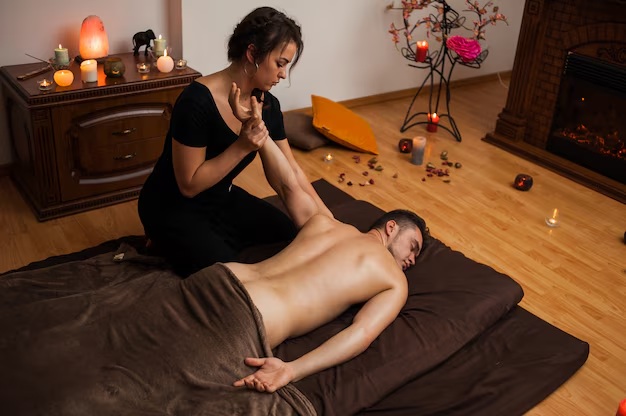

Feeling tired after a demanding day is understandable. However, physical tension sometimes remains even after a quiet evening or adequate rest. Your shoulders may feel tight, or your body might struggle to relax.
A Full Body Massage may help relieve everyday muscle tension and encourage relaxation. It cannot correct every cause of tiredness, especially underlying medical conditions. Recognising tension-related symptoms helps you decide whether massage could be worthwhile.
Why Can Your Body Feel Tired Despite Rest?
Rest and muscular relaxation are not always the same experience. Long working hours, repetitive movements, and sustained sitting can contribute to muscle discomfort. Emotional stress may also increase perceived tension across different body areas.
Sleep quality, physical activity, and general health influence energy levels. Persistent fatigue can also result from medical conditions requiring assessment. Massage primarily addresses relaxation and muscular comfort rather than unexplained exhaustion.
1. Your Shoulders Feel Tight Throughout the Day
Shoulder tightness commonly develops during prolonged desk work or repetitive activities. You might notice stiffness when turning your head or lifting your arms. This discomfort can make ordinary movements feel less comfortable. A full body massage can include gentle work around the shoulders and upper back. The therapist may adjust techniques according to your movement and sensitivity. Persistent pain, weakness, or numbness requires professional medical evaluation.
2. Your Muscles Feel Stiff After Sitting
Remaining seated for extended periods can leave certain muscles feeling uncomfortable. Your lower back, hips, and legs may feel particularly stiff afterward. Changing positions might provide temporary relief.
Massage can help ease some tension associated with prolonged inactivity. However, regular movement breaks remain important for managing sitting-related discomfort. Combining appropriate activity with massage may support everyday physical comfort.
3. You Find It Difficult to Physically Relax
Sometimes your thoughts settle while your muscles still feel tense. You may notice clenched shoulders, tightened hands, or a rigid posture. These sensations can accompany stressful periods.
A full body massage offers dedicated time for physical relaxation. Gentle, rhythmic movements may help you feel calmer during treatment. Results vary, and massage does not replace treatment for ongoing stress-related health problems.
4. Your Legs Feel Heavy After Long Working Days
Standing or walking for extended periods can contribute to tired leg muscles. Your calves and thighs may feel uncomfortable by evening. This sensation often improves with appropriate rest.
Massage may help ease ordinary muscular tightness after physical activity. However, unexplained swelling, redness, warmth, or sudden leg pain requires medical attention. Suspected circulation problems should be assessed before massage.
5. Your Body Feels Uncomfortable After Repetitive Activities
Repeated movements can place ongoing demands on particular muscle groups. Cleaning, lifting, typing, and manual work may contribute to localised discomfort. You might notice tension extending beyond the muscles used most frequently.
A full body massage allows attention across several connected muscle areas. Your therapist can prioritise areas experiencing greater discomfort. Treatment should remain gentle around injuries or unexplained pain.
6. You Want Relaxation Beyond Your Usual Routine
Resting on the sofa does not always provide the relaxation you want. You might prefer a structured appointment without everyday distractions. Massage provides a dedicated setting for that experience.
A full body massage typically addresses several regions during one session. These may include your back, shoulders, arms, legs, and neck. Treatment coverage depends on your preferences, consent, and appointment duration.
What Happens During a Full Body Massage?
Your therapist should begin by discussing your goals and relevant health information. You can identify sensitive areas or request specific pressure levels. Professional draping should protect your privacy throughout treatment.
Sessions often last between 60 and 90 minutes, although shorter options exist. Techniques may include flowing strokes, kneading, and controlled pressure. You can request changes whenever a movement feels uncomfortable.
How Often Should You Book a Massage?
There is no universal schedule suitable for everyone. Some people prefer occasional appointments during demanding periods. Others choose regular sessions for relaxation and muscular comfort.
Your ideal frequency depends on your needs, budget, and response to treatment. More frequent massage does not automatically produce better results. Discuss persistent discomfort with an appropriate healthcare professional.
When Is Massage Not the Right Solution?
Massage should not be used to explain persistent or worsening fatigue. Ongoing exhaustion, dizziness, fever, or unexplained weakness deserves medical assessment. Sudden severe symptoms may require urgent attention.
Massage may also need postponement during certain illnesses or acute injuries. Always disclose relevant health concerns before beginning treatment. Your safety should take priority over completing an appointment.
Final Thoughts
Muscle tightness can make everyday activities feel more demanding. Recognising patterns of discomfort helps you make informed decisions about relaxation. Massage may provide temporary relief when muscular tension contributes to discomfort.
A professionally delivered Full Body Massage can support relaxation within a balanced self-care routine. Combine it with adequate sleep, movement, and appropriate medical guidance when necessary.

