

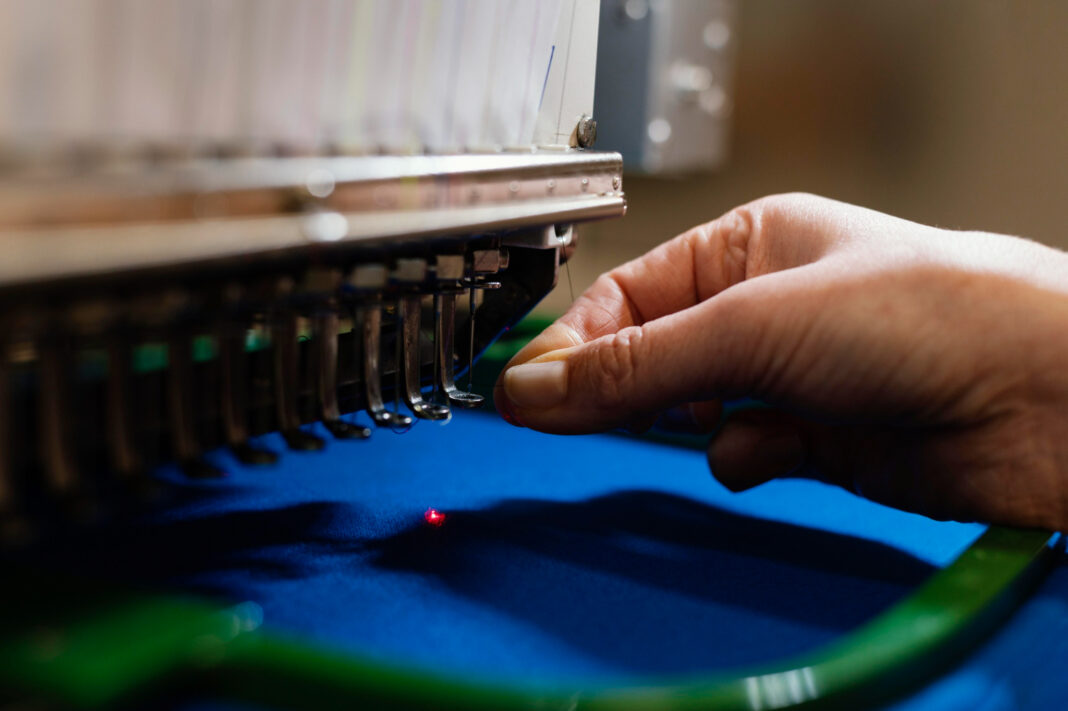

Staff hoodies need to provide comfort, durability, and a consistent appearance. However, choosing suitable workwear involves more than selecting colours and adding logos. Fabric quality, garment fit, and embroidery placement influence everyday performance. Understanding these details helps businesses make informed uniform decisions.
Embroidered hoodies are commonly used across retail, hospitality, and outdoor workplaces. They provide warmth while keeping business identification visible. However, custom embroidery must suit the garment’s construction and intended working conditions. Reviewing practical requirements before ordering can prevent unnecessary replacement costs.
Consider the Working Environment First
Different workplaces place different demands on staff clothing. Outdoor employees may require thicker fabrics and additional weather protection. Indoor teams often benefit from lighter garments that allow comfortable movement. Uniform selection should reflect actual working conditions.
Before choosing custom hoodies in Australia, consider temperature changes throughout the working day. Assess whether employees need layering options or additional flexibility. Hoodies should support daily tasks without restricting movement. Workplace safety requirements must also influence garment selection.
Choose Fabric That Supports Daily Wear
Fabric composition affects comfort, warmth, and garment maintenance. Cotton-rich materials often provide softness and a familiar feel. Polyester blends may offer improved shape retention and drying characteristics. However, performance varies according to fabric construction.
For embroidered uniforms, material stability is particularly important. Lightweight fabrics may distort beneath dense stitching. Heavier materials can provide greater support for detailed logos. Suitable custom embroidery preparation should account for these differences.
Check Fabric Weight and Seasonal Suitability
Fabric weight influences how a hoodie performs throughout the year. Heavier garments provide additional insulation but may feel uncomfortable indoors. Lightweight hoodies offer greater flexibility during changing temperatures. Neither option suits every workplace.
Businesses considering custom hoodies should assess seasonal uniform requirements. Staff working across different environments may need multiple garment weights. Consistent branding can still be maintained across different styles. Practical comfort should take priority over unnecessary uniform restrictions.
Select a Fit That Allows Comfortable Movement
Uniform fit affects employee comfort during repeated daily activities. Tight shoulders can restrict reaching and lifting movements. Excessively loose garments may interfere with certain workplace tasks. Appropriate sizing helps employees work comfortably.
Before placing orders, review the garment’s measurement chart. Consider sleeve length, shoulder width, and overall body fit. Request sizing samples when ordering for larger teams. This reduces the likelihood of unsuitable garments.
Choose the Right Embroidery Placement
Logo placement determines how visible branding appears during normal work. Left-chest embroidery offers a familiar and discreet position. Sleeve placement can accommodate smaller logos or department identification. Larger back designs may provide additional visibility.
However, custom embroidery placement should consider pockets, seams, and garment structure. Avoid areas that experience excessive stretching or friction. Embroidered designs should not create uncomfortable pressure points. Reviewing placement samples helps identify practical issues.
Match Logo Complexity With Embroidery Requirements
Not every logo translates directly into embroidered stitching. Small lettering and intricate details can lose definition. Excessive stitch density may also create stiffness. Artwork adjustments may be necessary for reliable results.
Effective custom embroidery requires appropriate digitising and stitch planning. Digitising determines how the embroidery machine interprets artwork. Thread direction, density, and underlay influence the finished design. These technical decisions affect appearance and durability.
Consider Washing and Maintenance Requirements
Staff uniforms often require frequent washing. Fabric shrinkage, colour fading, and embroidery distortion can affect appearance. Garments should withstand their expected cleaning routine. Care instructions must also suit workplace conditions.
When selecting custom hoodies in Australia, examine washing recommendations before ordering. Consider whether employees can follow the required care procedures. Avoid garments requiring impractical maintenance for everyday workwear. Consistent care supports longer garment usability.
Review Thread Colours and Branding Consistency
Thread colours should remain visible against the selected hoodie fabric. Poor contrast can make logos difficult to recognise. However, excessive contrast may conflict with established brand colours. The goal is clear, consistent identification.
For custom embroidery, compare physical thread samples with garment colours. Digital previews may not accurately represent finished stitching. Lighting can also influence colour perception. Approved samples provide useful references for future orders.
Test Samples Before Ordering in Bulk
A sample provides information that product descriptions cannot fully communicate. Employees can evaluate fit, comfort, and garment movement. Managers can inspect embroidery quality and logo placement. These observations help identify issues before larger commitments.
Businesses ordering custom hoodies should test representative sizes and garment styles. Examine seams, cuffs, zippers, and embroidered areas. Consider washing a sample before final approval. Testing reduces uncertainty about long-term performance.
Plan Uniform Quantities and Future Replacements
Uniform planning should account for employee numbers and replacement requirements. Ordering only the exact current quantity may create future shortages. However, excessive stock can tie up unnecessary funds. A balanced approach considers expected staff changes.
Document garment specifications, approved artwork, and thread colours. Record sizing information and embroidery placement measurements. This helps maintain consistency during future orders. It also simplifies replacements when garments become damaged.
Consider Workplace Safety and Practical Restrictions
Hoodies may not suit every working environment. Loose drawstrings can create hazards around certain machinery. Some workplaces require high-visibility clothing or specialised protective garments. Standard embroidered hoodies cannot replace mandatory safety equipment.
Before approving custom embroidery on workwear, review applicable workplace requirements. Confirm that branding does not interfere with safety features. Avoid modifying protective garments without appropriate guidance. Employee safety should remain central to uniform decisions.
Final Thoughts
Choosing custom hoodies in Australia requires balancing comfort, durability, and consistent branding. Fabric weight, fit, logo placement, and maintenance all influence suitability. Sampling helps identify practical concerns before larger orders. Clear specifications also support consistent future replacements.
Well-planned custom embroidery should complement the garment rather than compromise its performance. Consider everyday working conditions before finalising designs. Review samples and confirm production details carefully. These steps support practical uniforms that maintain a consistent professional appearance.