

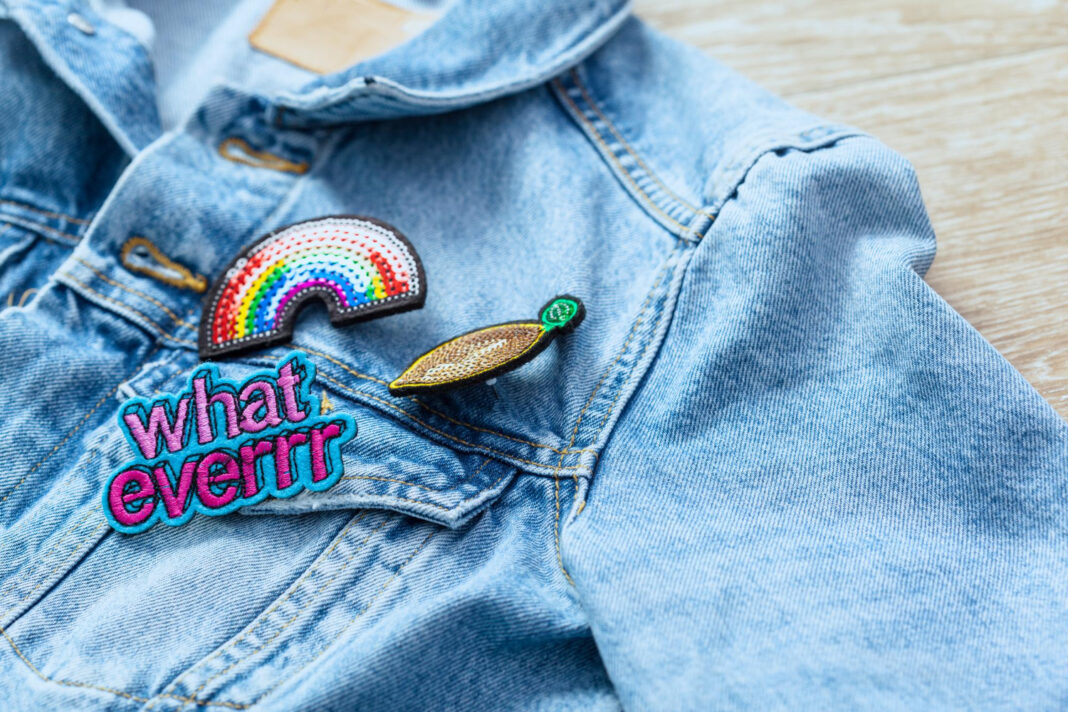

A branded hoodie can serve many purposes. It can support uniforms, team identity, merchandise, or event clothing.
The decoration method plays a major role in how the garment feels and looks.
For businesses considering custom hoodies, embroidery can create a structured and professional appearance.
Well-planned custom embroidery can also remain visually clear without making the garment feel overdesigned.
Why Embroidery Works Well on Hoodies
Hoodies usually have enough fabric weight to support stitched branding.
This makes them suitable for logos, initials, names, and simple symbols. Custom embroidery creates texture because the design is stitched into the garment surface. That gives branding a different appearance from printed graphics. It can work particularly well for staff clothing, clubs, organisations, and premium merchandise.
Start With the Hoodie Fabric
Not every hoodie has the same structure.
Fabric weight, stretch, thickness, and surface texture can affect embroidery results.
Heavier garments often provide a stable base for stitched designs. Softer or stretchier fabrics may need more careful setup.
For custom hoodies in Australia, select the garment before finalising embroidery specifications. The decoration needs to work with the actual fabric.
Keep Logo Detail Under Control
Embroidery does not reproduce artwork exactly like digital printing. Very small text, fine lines, and complex shading can become difficult to stitch clearly.
Good custom embroidery usually benefits from simplified artwork. Focus on the most recognisable parts of the logo.
Remove details that add complexity without improving recognition. A clean embroidered logo often looks more professional than an overcrowded version.
Choose Placement With Purpose
Left-chest embroidery is common because it provides a balanced branded appearance.
However, other positions may suit different garments and uses. Sleeves can support secondary branding. Larger back designs may work for selected team or organisational clothing.
With custom embroidery, placement should consider seams, pockets, zippers, and hood construction. Avoid areas where the garment structure interferes with stitching.
The design should look intentional when the hoodie is worn.
Consider Logo Size Carefully
Bigger embroidery is not always better. Large stitched designs can increase weight and stiffness in one garment area.
For workwear or everyday clothing, smaller logos often provide enough visibility. The right custom embroidery size depends on viewing distance and design complexity.
Text needs to remain readable, while logos need enough space for clean stitching. Use size to support clarity, not simply to create impact.
Think About Thread Colours
Thread colours should contrast with the garment without weakening the brand identity.
Dark thread on dark fabric may become difficult to read. Very light colours can also lose impact on pale garments.
A strong custom embroidery design considers both branding and visibility. Simplifying the colour palette can also make the embroidered result cleaner. If the original artwork contains many shades, not every colour may need duplication.
Add Names or Roles When Useful
Hoodies can also include individual names, departments, or team roles. This is useful for staff uniforms, events, sports teams, and clubs. Custom embroidery makes personalisation feel integrated into the garment.
However, personal details require accurate data. Check spelling carefully before production. Create one approved naming format to keep the entire order consistent.
Consider How the Hoodie Will Be Used
A staff hoodie may be worn several times each week.
A promotional hoodie may be worn less often but needs stronger visual appeal. Team clothing may need easy identification during events or travel.
For custom hoodies, intended use should influence garment weight, decoration size, and placement. Do not choose the hoodie only from a product image. Think about comfort, movement, climate, and washing frequency.
Understand Quantity and Reorders
Team sizes can change over time. New staff may join, while existing garments may need replacing.
A consistent embroidery specification makes repeat orders easier. Keep final artwork, thread information, placement details, and garment specifications organised.
This makes future custom embroidery more predictable. It also reduces the risk of later garments looking noticeably different.
Review the Final Design Before Production
Before approving the order, check everything together.
Review the hoodie colour, logo size, placement, spelling, quantity, and personalisation details.
Consider whether the embroidery suits the garment proportions. For custom hoodies in Australia, this approval stage is especially important for branded team clothing.
Small mistakes become much more visible when repeated across several garments.
Keep the Branding Practical
Embroidery works best when the design respects the garment.
The logo should be recognisable, the placement should be comfortable, and the size should remain practical.
Strong custom embroidery does not need excessive detail to look premium. For businesses ordering custom hoodies in Australia, focus on fabric, placement, artwork, and real-world use.
When these decisions work together, the hoodie becomes useful clothing rather than simple promotional material.