

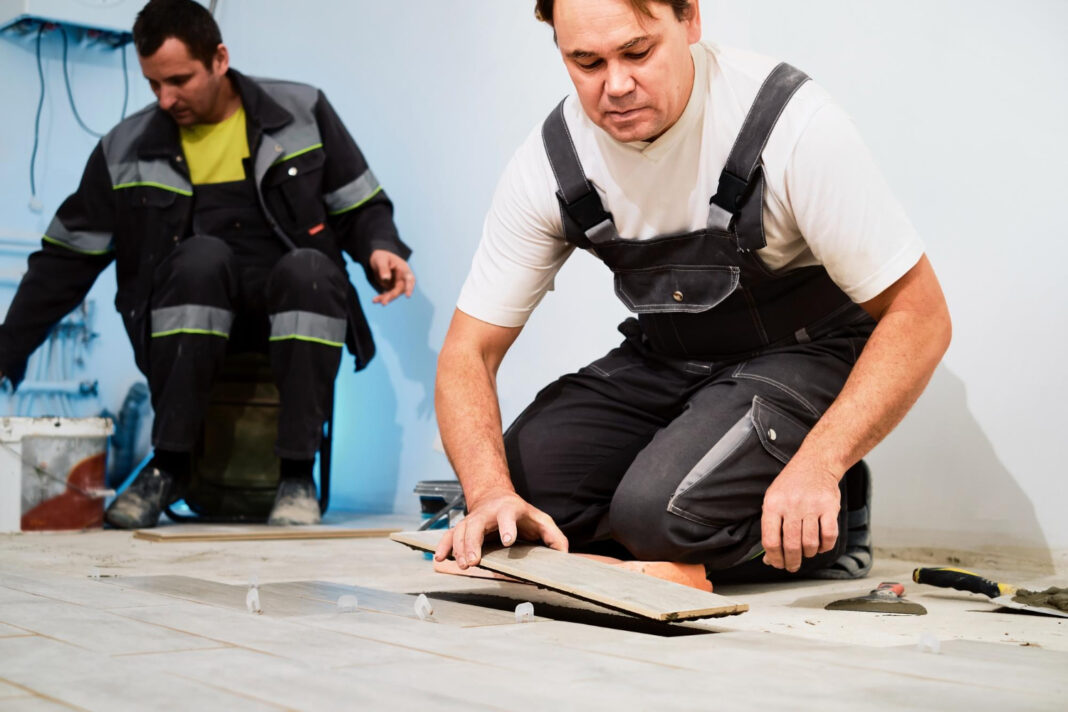

Wall and floor tiling requires precision, patience, and practical construction skills. Tilers work with different surfaces, materials, and installation techniques. Their work contributes to the appearance, durability, and functionality of residential and commercial spaces.
The Certificate III in Wall and Floor Tiling introduces the technical skills needed for this occupation. Students learn surface preparation, tile installation, measurements, and finishing techniques. Understanding the qualification helps aspiring tradespeople evaluate their training and career options.
What Is Certificate III in Wall and Floor Tiling?
Certificate III in Wall and Floor Tiling is a vocational qualification focused on professional tiling practices. It develops practical knowledge of installation methods, construction materials, and workplace safety. Training generally involves practical assessments alongside technical learning.
The qualification prepares learners for common responsibilities within the tiling trade. Students practise working with different surfaces and installation requirements. Specific delivery arrangements depend on the training provider.
What Skills Will You Learn During the Certificate III in Wall and Floor Tiling Course?
Tiling involves more than attaching materials to walls and floors. Accurate preparation, measurements, and installation methods influence the finished result. Training introduces these responsibilities through structured learning activities.
Surface Preparation and Waterproofing
Successful course of III in Wall and Floor Tiling begins with assessing and preparing the underlying surface. Students learn cleaning, levelling, and preparation techniques for different substrates. Training may also introduce waterproofing requirements and relevant construction procedures.
Tile Cutting and Installation
Students practise measuring surfaces and planning suitable tile layouts. They learn cutting techniques for different materials and installation conditions. Accurate positioning helps achieve consistent spacing and professional finishes.
Materials and Adhesive Selection
Different tiling projects require appropriate materials and fixing products. Students examine adhesives, grout, tiles, and related installation materials. Understanding product suitability helps prevent avoidable installation problems.
Workplace Safety Practices
Tiling activities involve tools, equipment, and potentially hazardous working conditions. Training covers safe handling procedures and appropriate protective equipment. Students develop awareness of common workplace risks.
Entry Requirements for the Qualification
Admission requirements vary between education providers and training arrangements. Some programs accept applicants without previous tiling experience. Others may require particular workplace arrangements or foundational skills.
International students considering Certificate III in Wall and Floor Tiling should confirm course eligibility. English language requirements and academic expectations may also apply. Applicants should verify admission conditions before submitting documents.
Course Duration and Practical Training
Course duration depends on delivery schedules and required learning activities. Programs may include classroom instruction, workshops, and workplace-based assessments. Some training pathways involve apprenticeships or employer participation.
Certificate III in Wall and Floor Tiling requires practical competence across relevant installation tasks. Students should understand how assessments are organised and completed. Practical training arrangements can influence study schedules and additional expenses.
How Much Does the Course Cost?
Tuition fees depend on the provider and enrolment circumstances. Additional expenses may include safety equipment, learning materials, and practical training requirements. Students should request complete fee information before enrolling.
International applicants must also consider accommodation, transport, insurance, and everyday living costs. These expenses affect the overall affordability of studying in Australia. Financial planning should cover the entire training period.
Career Opportunities After Completing the Course
Tiling qualifications can support entry into residential and commercial construction activities. Graduates may pursue relevant employment opportunities according to their skills and experience. Employers may also expect practical competence and workplace familiarity.
Certificate III in Wall and Floor Tiling develops skills relevant to installation and finishing work. However, completing the qualification does not guarantee employment. Some work arrangements may involve additional regulatory or licensing requirements.
Potential Work Environments
Qualified tilers may work on residential renovations, new buildings, and commercial projects. Their responsibilities can include preparing surfaces, installing tiles, and completing finishing activities. Working conditions vary according to project requirements.
Can You Start a Tiling Business?
Experienced tradespeople may eventually consider independent contracting or business ownership. Running a business requires more than technical installation skills. Financial management, customer communication, and regulatory compliance also matter.
Certificate III in Wall and Floor Tiling can contribute foundational occupational knowledge. However, business registration and licensing obligations depend on location and activities. Prospective contractors should investigate applicable requirements before accepting independent projects.
Is Wall and Floor Tiling a Suitable Career?
Tiling involves physical activity, detailed measurements, and repeated practical tasks. Workers may spend considerable time standing, kneeling, or handling materials. Students should consider these working conditions before choosing the trade.
The occupation may suit individuals who enjoy practical problem-solving and precise finishing work. Technical accuracy and patience remain important throughout projects. Personal suitability matters alongside qualification requirements.
Final Thoughts
Wall and floor tiling combines technical preparation with practical installation skills. Structured training helps learners understand materials, safety procedures, and construction expectations. Workplace experience further develops confidence and competence. The Certificate III in Wall and Floor Tiling offers a recognised vocational pathway into tiling. Students should compare training arrangements, expenses, and employment requirements. Careful preparation supports realistic decisions about entering the construction industry.