

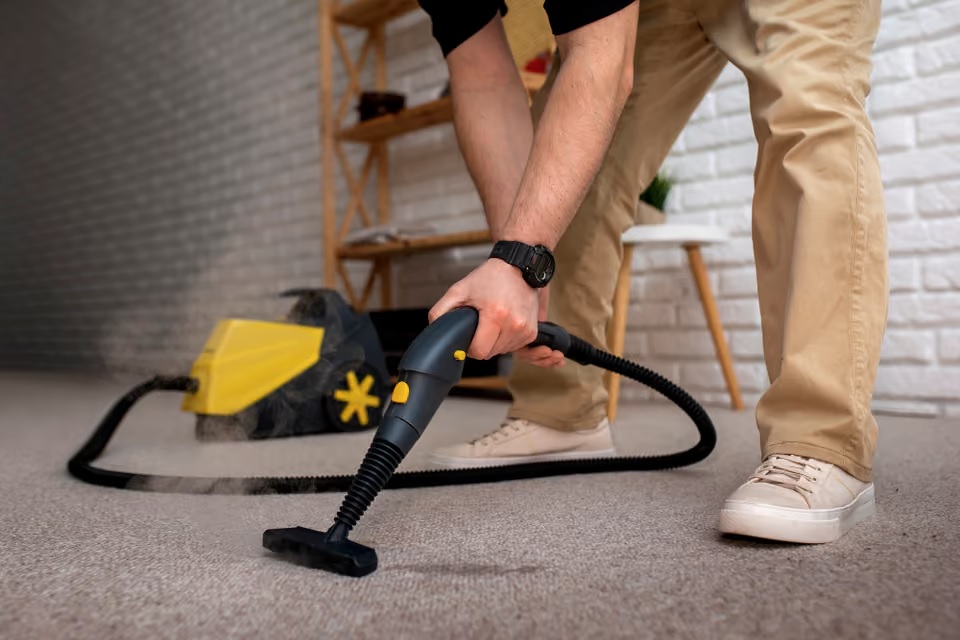

A carpet takes more punishment than any other surface in the home. Dry-season dust drifts in through open doors. Wet-season mud rides in on shoes. Spills, pets and children add to the load. By the time a stain is noticeable, the fibres underneath are usually holding much more dirt than the surface shows.
Most carpet problems do not come from the carpet itself. They come from small choices made before, during and after a clean. This guide covers seven common mistakes in carpet cleaning in Limpopo. Each comes with a practical fix, so a carpet lasts longer and looks better between professional visits.
Mistake 1: Waiting Too Long to Act on a Spill
Time is the biggest factor in stain removal. A fresh spill sits on top of the fibres. An old one soaks in, dries and bonds with the carpet. The longer a spill waits, the harder it becomes to lift.
The fix: Act within minutes, not days. Lift solids with a spoon, then press a clean cloth or paper towel onto the liquid. Keep replacing the cloth until it comes away dry. If the mark remains, note what caused it, because the cause affects the cleaning method. Wine, oil, ink and mud all need different treatment.
Mistake 2: Rubbing Instead of Blotting
Rubbing feels natural, but it pushes the stain deeper and roughens the fibres. It can also spread a small spill into a large patch. On many carpets, hard rubbing leaves a worn, fuzzy spot that is more visible than the stain was.
The fix: Blot with a firm, steady press, working from the outside of the stain towards the centre. This keeps the mark from spreading. Use a clean part of the cloth each time so you do not put the dirt back.
Mistake 3: Using Too Much Water or Product
More liquid does not mean more clean. A soaked carpet takes a long time to dry. Damp backing can develop a musty smell, and leftover product attracts dirt as it dries, so the spot gets dirty again quickly.
The fix: Use a small amount of cleaner, apply it to the cloth rather than straight onto the carpet, and rinse with a light touch. After any wet clean, open windows and doors and keep foot traffic off the area until it is fully dry. Good airflow matters in humid weather.
Mistake 4: Relying on the Vacuum Alone
Regular vacuuming is essential, but it only removes loose surface dirt. Fine grit works its way down to the base of the fibres, where it acts like sandpaper each time someone walks across. Over time, it wears the carpet and dulls the colour.
The fix: Vacuum slowly and often, with several passes over busy areas. Then add a deeper clean at sensible intervals. Professional carpet cleaning in Limpopo removes trapped dirt, marks and everyday build-up that a household vacuum cannot reach. That makes it a useful complement to regular upkeep, not a replacement for it.
A useful comparison is brushing your teeth and visiting the dentist. Daily care keeps things in order, but a periodic deep clean reaches what daily care misses. The same logic applies to a carpet that sees heavy traffic.
Mistake 5: Choosing a Provider Without Checking the Scope
Not every carpet cleaning service covers the same ground. Some focus on homes. Others handle offices, schools and commercial spaces. Some offer carpets as one item on a long list, while others describe the process in detail.
The fix: Ask what the service includes, which types of property it covers and how long the job usually takes. One example is a Vuwani-based cleaning company that lists carpet cleaning for houses, offices, schools and commercial spaces, and says its quotes depend on property size, condition and frequency. A description with that level of detail gives you something concrete to compare. If a provider cannot explain what it will do, keep looking.
Mistake 6: Skipping Preparation
Many people leave the room as it is and expect the team to cope. The result is lost time. Small objects get in the way, furniture blocks the work, and some areas never get cleaned at all.
The fix: Before the team arrives, clear the floor of toys, shoes, cables and small items. Vacuum lightly if you can, so the team starts with less loose dirt. Point out stains and tell the team what caused them. Mention pets, young children or allergies so the team can choose its products with care. If you have valuable rugs, say so early and ask how the team handles them.
Mistake 7: Forgetting the Drying and Aftercare Stage
A clean carpet is not finished when the machine stops. Walking on damp fibres presses dirt straight back in. Putting furniture back too early can leave rust or colour marks on a wet carpet.
The fix: Ask how long drying will take and plan around it. Keep shoes off, and keep pets away until the carpet is dry. Lift furniture legs onto small blocks or pads if the carpet is still damp. Vacuum lightly once everything is dry to lift the pile and settle the fibres.
Know Your Carpet Before You Clean It
Carpets differ in fibre, pile height and backing, and these differences change how they respond to cleaning. A wool carpet reacts to heat and moisture in ways that a synthetic one does not. A looped pile traps dirt differently from a cut pile. Some carpets are fitted wall to wall. Others are loose rugs that can be lifted and cleaned separately.
If you do not know what your carpet is made of, look for a label on the underside of a rug or ask the supplier or landlord. Share what you know with the cleaning team before they start. A good team will test a small, hidden patch first, and it will adjust its method to the material in front of it.
Colour matters too. Dark carpets hide dirt well, which makes them look clean when they are not. Pale carpets show every mark, so they seem to need cleaning more often. Do not judge by looks alone. Use the signs of wear, smell and returning dirt as your guide.
Pets, Children and High-Traffic Homes
Homes with pets and young children face a different set of problems. Accidents happen, and hair and dander settle deep in the pile. Quick action matters even more in these homes, because liquid soaks in fast and leaves odours that are hard to remove.
Tell your cleaner about pets and children in advance. Ask which products the team plans to use and how long the carpet needs to dry before it is safe to use. Keep children and animals out of the room until the floor is completely dry. If a spot keeps returning, mention it so the team can treat the cause, not just the surface.
How Often Should a Carpet Be Cleaned?
There is no single schedule, because use varies so much. A bedroom carpet in a quiet home can go longer between cleans than a hallway or an office entrance. A school classroom or a gym corridor takes constant traffic and needs attention more often.
As a rule, watch the signs. Dull colour, flattened patches, a faint smell and dirt that returns soon after vacuuming all suggest it is time. For commercial spaces, it helps to plan carpet cleaning around quiet periods, so the floor can dry without disrupting work.
A Short Routine That Protects Your Carpet
Good habits cut down the number of professional cleans a carpet needs. Four simple routines make the biggest difference:
- Place doormats at every outside door and shake them out often
- Take shoes off at the door, especially after rain
- Vacuum busy areas several times a week and quiet areas weekly
- Deal with spills at once, using the blotting method above
None of these steps costs much. Together they keep fibres cleaner and make every later clean easier.
Booking With Confidence
Each of the seven mistakes shares a cause: acting on a guess instead of a plan. A little knowledge about stains, moisture and preparation makes the whole process smoother. When it is time to bring in help, Air Mzanzi Cleaning is one provider whose services include work for homes and commercial properties across the province. Look for a clear description, an honest quote and a team that listens to your priorities.
With those pieces in place, carpet cleaning in Limpopo becomes a simple, repeatable part of caring for a home or workplace, not a rescue job after the damage is done.