

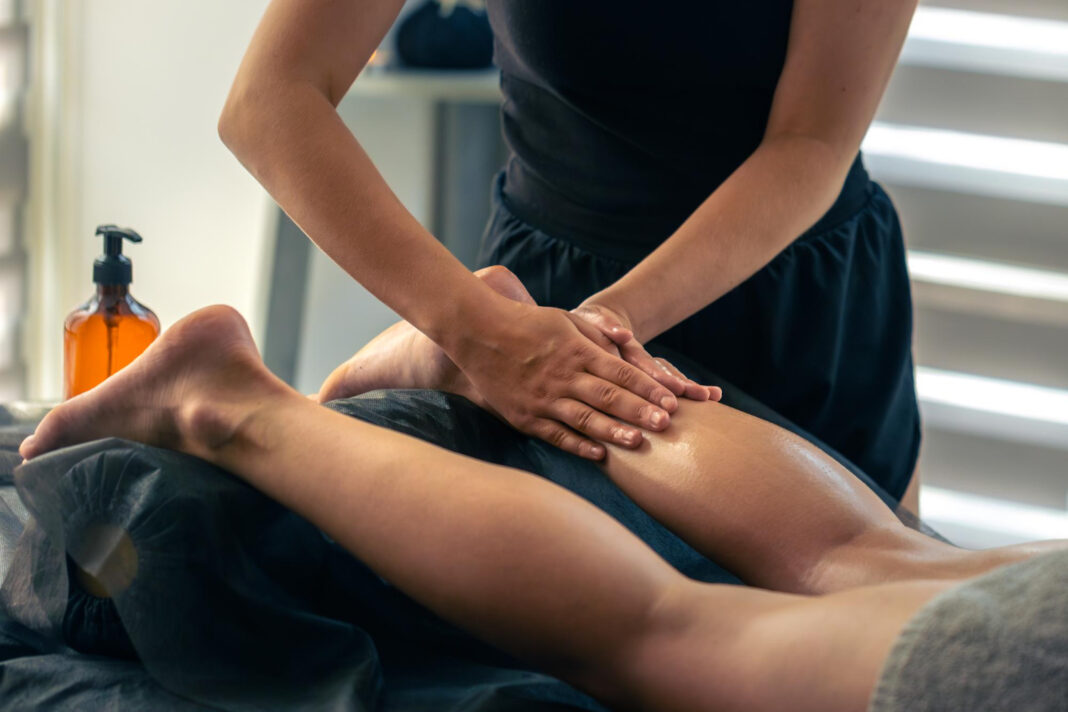

Rest days are important for athletes and recreational exercisers. However, many people wonder whether booking a massage interrupts recovery. Others assume massage should only happen immediately before or after training.
A sports massage can sometimes fit comfortably into a rest day. The appropriate timing depends on your symptoms, training demands, and treatment goals. Understanding these factors helps you make a more informed decision.
Is Sports Massage Suitable for a Rest Day?
Sports Massage is not restricted to days involving physical activity. Some people schedule appointments when they have fewer training commitments. This can make it easier to observe their response afterwards.
However, a rest day does not automatically make every massage technique appropriate. Treatment intensity should reflect current soreness, sensitivity, and individual preferences.
What Happens to Your Muscles During a Rest Day?
Recovery involves several processes following physical activity. The body repairs and adapts to training demands over time. Sleep, nutrition, and appropriate workload management support these processes.
Muscle soreness may remain noticeable even without further exercise. This does not necessarily mean recovery has stopped or something is wrong. Sports Massage may help some individuals manage soreness or perceived stiffness. However, evidence does not establish massage as a substitute for essential recovery habits.
1. You May Notice Soreness More Clearly
During training, attention often remains focused on performance and movement. On rest days, lingering discomfort may become more noticeable.
Delayed onset muscle soreness commonly develops after unfamiliar or demanding exercise. Symptoms often become more noticeable during the following days.
Sports Massage may offer short-term soreness relief for some people. However, aggressive pressure on highly sensitive muscles can feel uncomfortable.
2. Treatment Can Be Adjusted Without Immediate Training Demands
Some athletes prefer appointments when intense exercise is not scheduled afterwards. This allows time to assess temporary tenderness or changes in comfort.
A massage does not necessarily require avoiding all activity afterwards. However, strong techniques may leave some individuals feeling temporarily sore.
Sports Massage intensity should match the intended outcome. A lighter session may suit someone seeking comfort rather than intensive treatment.
3. Rest Days Provide Time to Discuss Training Patterns
An appointment can involve more than hands-on techniques. You may discuss recurring soreness, training progression, or movement-related discomfort.
For example, repeated calf discomfort might appear after increasing running distance. Understanding the timing may reveal workload changes worth reviewing.
Sports Massage practitioners can consider these patterns within their professional scope. Persistent or unusual symptoms may require additional assessment.
Should You Choose Light or Deep Pressure?
Deeper pressure is not automatically more effective. Some individuals prefer firm treatment, while others respond better to lighter techniques.
Pressure should remain tolerable and appropriate for the treatment area. Sharp pain, tingling, or worsening symptoms should prompt immediate adjustment.
Sports Massage should not rely on the belief that greater discomfort produces better recovery. Treatment decisions should reflect individual needs and available evidence.
When Should You Avoid Sports Massage?
Massage may be inappropriate when symptoms suggest an acute injury requiring assessment. Significant swelling, unexplained severe pain, or suspected fractures warrant medical evaluation.
A hot, swollen, painful calf can indicate a potentially serious condition. Seek urgent medical assessment rather than attempting massage.
Fever, active infection, or certain medical conditions may also require postponement. Discuss relevant health concerns before treatment.
Can You Exercise After a Rest-Day Massage?
Returning to exercise depends on your symptoms and treatment response. A comfortable massage does not automatically require extended training restrictions.
However, temporary soreness may influence how demanding exercise feels. Consider adjusting intensity if an area becomes unusually sensitive.
Sports Massage should complement sensible training decisions rather than determine them entirely. Gradual progression remains important for managing physical demands.
How Often Should Athletes Book Sports Massage?
There is no universal appointment frequency suitable for every athlete. Training schedules, symptoms, preferences, and financial considerations vary.
Some people book occasional sessions during demanding training periods. Others prefer treatment only when specific symptoms arise.
Sports Massage should have a clear purpose rather than follow an arbitrary schedule. Regular appointments are not essential for everyone.
Conclusion
Rest days can provide a practical opportunity for massage without immediate training commitments. However, treatment intensity and timing should reflect individual recovery needs. Sports Massage Services may support comfort and short-term soreness management for some active individuals. They work best alongside adequate sleep, nutrition, and appropriate training progression.