

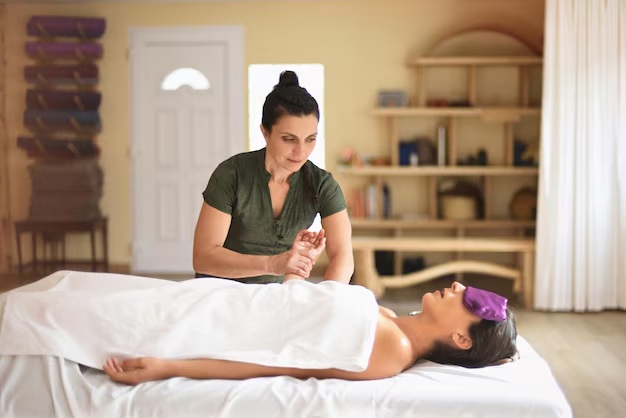

Choosing between a home massage and a spa visit involves more than personal preference. Both options offer opportunities to relax, but the experience can feel quite different. Your surroundings, schedule, privacy needs, and comfort levels all influence that decision. Understanding these differences helps you choose an experience that suits your lifestyle.
What Makes a Home Massage Different From a Spa Visit?
A home massage service brings a massage therapist directly to your chosen location. You receive treatment without travelling to a separate wellness facility. The experience takes place in familiar surroundings, with arrangements discussed before your appointment.
A spa visit requires you to travel to a dedicated treatment space. These facilities often feature specialised rooms, ambient lighting, and additional wellness amenities. Some people enjoy this separation from their usual environment. Others prefer the familiarity and convenience of receiving treatment at home.
Convenience: Which Option Fits Your Schedule Better?
Convenience often determines whether people choose home appointments or spa visits. Both require planning, but the time commitments can differ considerably. Your daily responsibilities may influence which arrangement feels more manageable.
Home Massage Reduces Travel Requirements
A home massage service eliminates the journey to and from a treatment facility. This can be particularly useful after demanding workdays or physically exhausting activities. You can also avoid traffic, parking arrangements, and unfamiliar locations.
However, home appointments still require some preparation. You need adequate space for the therapist and any necessary equipment. Confirming access arrangements beforehand helps prevent unnecessary delays.
Spa Visits Require Additional Planning
Spa appointments involve travel time, arrival procedures, and sometimes changing facilities. These additional steps can make the overall appointment considerably longer. However, some people appreciate having dedicated time away from home.
A spa visit may also provide access to showers or relaxation areas. Availability depends on the facility and your chosen booking. These features can influence the overall experience.
Privacy and Personal Comfort: How Do They Compare?
Privacy can strongly influence how comfortable someone feels during massage therapy. Different environments offer different levels of familiarity and personal control. Neither setting automatically provides greater comfort for everyone.
Familiar Surroundings at Home
A home massage service allows you to remain in a familiar environment. You can usually adjust room temperature, lighting, and background sounds yourself. This flexibility may help people who find unfamiliar surroundings distracting.
However, household interruptions can affect the experience. Family members, pets, or unexpected visitors may disrupt your relaxation. Choosing a quiet room helps create suitable conditions.
Dedicated Treatment Rooms at Spas
Spas typically provide treatment rooms designed around privacy and relaxation. These spaces separate the appointment from ordinary household responsibilities. Some clients find this separation especially helpful.
However, shared reception areas and changing facilities may feel less private. Privacy arrangements vary between establishments. Asking about facilities beforehand can help clarify expectations.
Massage Quality: Does Location Make a Difference?
Massage quality depends more on professional practice than the treatment location. Therapist training, communication, technique, and appropriate pressure all influence your experience. A familiar setting cannot compensate for unsuitable treatment methods.
A home massage service can provide professional treatment when appropriate equipment and conditions are available. Therapists should explain their approach and discuss relevant health concerns beforehand. Clear communication also helps establish pressure preferences and comfortable positioning.
Spa treatments follow similar principles. The main difference often involves equipment availability and treatment facilities. Certain specialised services may require resources unavailable during home appointments.
Cost Comparison: What Are You Actually Paying For?
Comparing massage prices requires looking beyond the advertised session rate. The final cost may include travel charges, appointment duration, and additional services. Understanding these details helps prevent unexpected expenses.
A home massage service may include travel expenses within its pricing. Some providers charge separately depending on distance or appointment timing. Confirming the total amount beforehand makes comparison easier.
Spa prices may reflect facility maintenance, amenities, and staffing arrangements. However, higher prices do not automatically guarantee better treatment. Compare session duration, therapist qualifications, and included services instead.
Relaxation After the Session: Which Experience Lasts Longer?
What happens immediately after treatment can influence your overall experience. Some people prefer remaining undisturbed, while others enjoy changing their surroundings. Both preferences are reasonable.
With a home massage service, you can continue resting after the therapist leaves. There is no return journey or immediate need to navigate busy streets. However, household responsibilities may quickly interrupt that quiet period.
A spa visit offers a different transition. You may spend additional time in designated relaxation facilities, where available. Travelling home afterward can either feel refreshing or inconvenient.
How to Choose the Right Massage Setting
Your ideal setting depends on practical needs rather than universal recommendations. Consider your available time, preferred environment, and expectations before booking. These factors often matter more than decorative surroundings.
A home massage service may suit people prioritising convenience and familiar surroundings. Spa appointments may appeal to those seeking separation from daily responsibilities. Neither option is inherently better for relaxation.
Before booking, confirm the therapist’s qualifications, treatment approach, hygiene practices, and cancellation terms. Explain any discomfort, injuries, or accessibility requirements in advance. These conversations help establish realistic expectations.
Final Thoughts
The better relaxation experience depends on what helps you feel comfortable and undistracted. Home appointments offer convenience, familiarity, and fewer travel requirements. Spa visits provide dedicated spaces and potentially additional wellness facilities.
Choose the setting that supports your needs without creating unnecessary pressure. A well-planned appointment, clear communication, and suitable treatment matter most. The surroundings should support relaxation rather than become another source of stress.

