

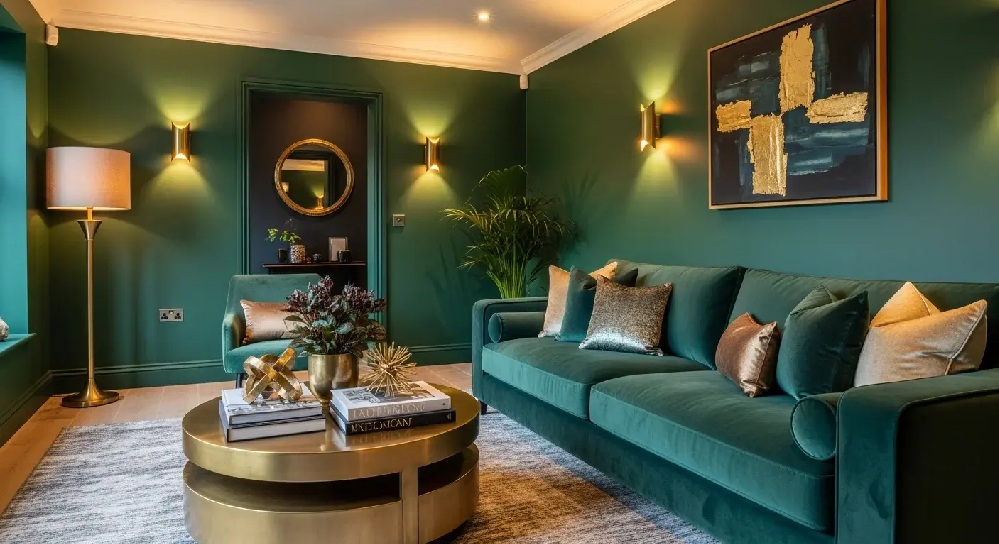

North-facing living rooms often receive limited direct sunlight. Their cooler natural light can make certain paint colours appear dull or grey. Choosing suitable colours requires understanding how the room behaves throughout the day.
Exploring room painting ideas living room in Inverness, UK means considering more than popular colour trends. Wall direction, furniture, artificial lighting, and surface finishes all influence the result. Thoughtful choices can create a welcoming atmosphere without major changes.
Why North-Facing Rooms Look Different
North-facing windows generally provide cooler, more indirect daylight. This can emphasise blue or grey undertones in wall colours. Even pale shades may appear darker than expected.
Room size and window placement also affect brightness. Deep rooms may receive limited daylight beyond the window area. Nearby buildings and trees can further reduce available light.
Effective room painting ideas living room planning should begin with these observations. Understanding existing light helps avoid disappointing colour choices.
1. Choose Warm Neutrals Instead of Stark White
Pure white does not automatically make a dark room brighter. Under cool daylight, some whites can appear harsh or slightly blue. Warmer alternatives often create a softer visual effect.
Consider ivory, oatmeal, warm beige, or gentle cream. These shades can balance cooler daylight without overwhelming the space. Subtle undertones matter more than colour names.
When exploring room painting ideas living room schemes, compare samples beside existing furniture. Flooring and upholstery can change how neutral walls appear.
2. Consider Muted Earthy Colours
A north-facing room does not always need pale walls. Muted terracotta, clay, and warm taupe can create comfortable surroundings. Their underlying warmth can balance naturally cool light.
Deeper colours may work particularly well in smaller seating areas. They can create a deliberate, enclosed atmosphere rather than emphasising limited daylight. The result depends on furnishings and lighting.
Room painting ideas living room choices should reflect the intended mood. Brightness is only one consideration when designing a comfortable space.
3. Use Soft Greens With Warm Undertones
Green can introduce a calm, natural appearance. However, cool blue-greens may look noticeably colder in north-facing rooms. Warmer greens often provide a more balanced alternative.
Consider muted olive, sage with yellow undertones, or soft moss. These colours can complement timber furniture and natural fabrics. Test them carefully before committing.
Room painting ideas living room palettes should also consider outdoor views. Visible greenery may influence how interior green shades are perceived.
4. Avoid Choosing Colours From Small Swatches Alone
Small colour cards rarely show how paint behaves across entire walls. Large surfaces reflect surrounding colours and changing light. A shade that looks warm in shops may appear cooler indoors.
Apply sample colours to separate test boards where practical. Move them between brighter and darker parts of the room. Observe their appearance during morning, afternoon, and evening.
This approach makes room painting ideas living room decisions more reliable. It also reduces the likelihood of unnecessary repainting.
5. Coordinate Wall Colours With Artificial Lighting
North-facing rooms often rely on artificial lighting during darker hours. Bulb colour temperature can noticeably influence painted surfaces. Warm lighting may soften certain colours, while cooler lighting can emphasise grey undertones.
Consider how ceiling lights, lamps, and wall fittings illuminate the space. Uneven lighting may create darker corners. Layered lighting can help distribute illumination more comfortably.
Room painting ideas living room planning should include evening colour testing. A successful daytime shade should also suit regular nighttime use.
6. Choose Paint Finishes Carefully
Paint sheen influences how light reflects from walls. Matt finishes can soften the appearance of minor surface imperfections. Higher-sheen finishes reflect more light but may highlight uneven areas.
Washable matt products can suit frequently used living rooms. The best choice depends on durability requirements and surface condition. A reflective finish cannot compensate for insufficient lighting.
When considering room painting ideas living room finishes, examine samples under actual room lighting. Texture and sheen can change the perceived colour.
7. Connect Wall Colours With Flooring and Furniture
Wall paint never appears completely independently of surrounding materials. Dark flooring can make pale walls seem more contrasting. Warm timber may soften cooler colours through visual balance.
Consider curtains, sofas, rugs, and larger furniture pieces. Their colours occupy substantial visual space. A coordinated palette can make the room feel more intentional.
Room painting ideas living room schemes should build around existing permanent features. This avoids choosing attractive wall colours that conflict with the furnishings.
Final Thoughts
North-facing living rooms benefit from colour choices based on actual lighting conditions. Warm neutrals, muted earthy tones, and carefully selected greens offer useful possibilities. Testing samples at different times helps reveal their true appearance.
For room painting ideas for a living room in Inverness, UK, comfort matters as much as brightness. The most suitable scheme responds to daylight, artificial lighting, and existing furnishings. A considered approach can create a balanced living space throughout the year.