

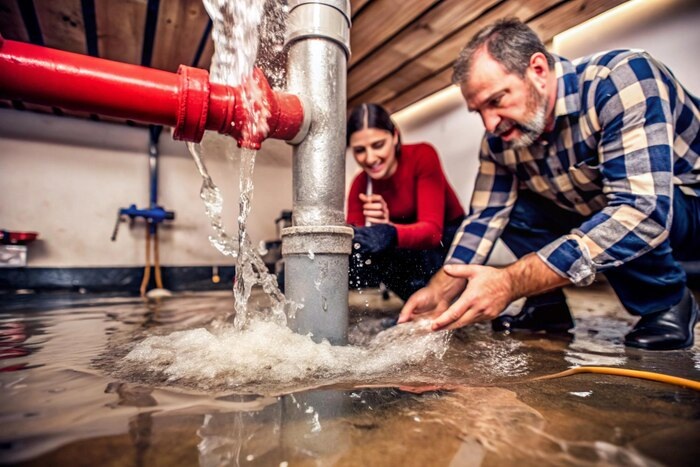

A water leak does not always leave a puddle. Some leaks hide behind walls, under floors, or below your yard. You may first see a stain, hear a hiss, or get a high water bill.
Knowing the signs can help you act before damage spreads. Water leak repair in San Diego starts with finding where the water comes from. These ten clues can help you know when to call a plumber.
1. Your Water Bill Goes Up for No Clear Reason
A sudden rise in your water bill may point to a leak. Compare how much water you used, not just the total cost. A rate change can raise the bill without a leak.
Think about recent guests, lawn care, or extra laundry. If your habits stayed the same, check for dripping taps and running toilets. A hidden supply pipe leak may also be to blame. Keep past bills to show the plumber what changed.
2. Your Water Meter Changes When Water Is Off
Your water meter can help reveal a leak you cannot see. Turn off taps and make sure no appliances or lawn sprinklers are using water.
Write down the meter reading. Check it again after two hours with no water use. If it changes, water may be escaping somewhere.
This test can flag a problem, but it cannot locate the leak. A plumber can check pipes, fixtures, and outdoor lines to find the source.
3. You Notice Stains on Walls or Ceilings
Brown or yellow marks on drywall may mean water has reached the surface. Look for stains near bathrooms, kitchens, and rooms below water pipes.
A mark that grows or returns needs a closer look. Take a photo so you can track changes.
Roof leaks and rain can also cause stains. A plumbing check helps narrow down the cause. Painting over a mark will not fix the water source. Avoid touching a ceiling that looks swollen or starts to sag.
4. Paint Peels or Wallpaper Comes Loose
Water behind a wall can make paint bubble, crack, or peel. Wallpaper may lift at the seams. The wall may also feel damp or soft.
Steam from showers can cause similar signs, so check whether the room has good airflow. Dampness in one spot that keeps coming back may suggest a pipe leak.
Do not cut into the wall to search on your own. A plumber may use moisture checks and other leak detection tools to guide the next step.
5. You Smell a Musty Odor
A musty smell may come from damp wood, drywall, or carpet. It can be strong inside a cabinet or near a wall with hidden pipes.
You may also see mold spots. These signs do not prove a plumbing leak, but they show that moisture needs attention.
Check for damp areas under sinks and around fixtures. Fixing the source matters more than masking the smell. If wet materials or mold cover a large area, ask about proper cleanup once the leak is stopped.
6. Your Water Pressure Drops
Does your shower feel weak? Does the kitchen tap take longer to fill a pot? A drop in water pressure can have several causes.
A clogged faucet screen, valve issue, or water supply problem may be involved. A leaking pipe is another possible cause.
Notice whether one fixture or the whole home is affected. Tell the plumber when the change began. Low pressure paired with wet spots or high water use gives more reason to check for hidden leaks.
7. You Hear Water When Nothing Is Running
Listen when your home is quiet. Hissing, dripping, or a steady water sound may mean water is moving where it should not.
First, check toilets, the washing machine, and other devices that may fill on their own. Turn off scheduled lawn watering for the check.
If the sound remains near a wall or floor, call for help. Do not break open the area based on sound alone. Professional leak detection can help find the source before repair work begins.
8. Floors Feel Damp or Change Shape
Water can make wood floors swell or cause boards to lift. Carpet may stay damp. You may see moisture near tile edges or along baseboards.
A leak under the floor is one possible cause. Spills, poor drainage, and other moisture sources can also play a role.
Move rugs and small items away if it is safe. Note where the damp patch starts and whether it spreads. Floor changes that return after drying need a check before you replace the damaged surface.
9. Your Yard Has Wet Patches Without Rain
A soggy patch in dry weather may point to an underground water line leak. Look for standing water or soil that stays wet after nearby areas dry.
One patch of grass may also grow faster or look greener than the rest. However, a broken sprinkler or poor drainage can cause the same clues.
Check your watering schedule before drawing a conclusion. If the wet area remains, ask a plumber to inspect the water service line. Avoid digging around buried pipes yourself.
10. You See Drips or Pools Near Fixtures
Visible water deserves attention, even when the amount seems small. Check below sinks, behind toilets, and around your water heater. Look near washer hoses and pipe joints too.
A toilet that keeps running can waste water without wetting the floor. To check for a silent toilet leak, add a few drops of food coloring to the tank. Wait ten minutes without flushing. Color in the bowl suggests a leak. Flush afterward to avoid stains.
What Should You Do if You Suspect a Leak?
If water is spreading, close the fixture valve or main shutoff valve if you can reach it safely. Keep away from wet outlets and electrical equipment. Take photos and note what you found.
Ask a plumber about the source, repair plan, and cost before work starts. Depending on the leak, repairs may involve a seal, valve, hose, pipe joint, or damaged pipe section. Confirm that the area is checked again after the repair.
Share any photos, meter readings, and recent water bills at the visit. These details can help the plumber assess the problem. Also ask whether wet walls or floors need drying before they are closed.
Conclusion
Small clues can reveal a hidden leak. Watch for bill changes, damp floors, stains, and water sounds. For water leak repair in San Diego, contact American Plumbing Co | Plumber in San Diego to discuss your concerns and arrange a plumbing check.