


A brown ring on the ceiling after a heavy rain is usually the first sign. The stain looks small, but the water behind it may have travelled a long way. Most people know very little about what roof repair services in Baton Rouge, LA do once the phone call is made. This walkthrough follows a typical repair from the first conversation to the final check, so you know what to expect and what to ask along the way.
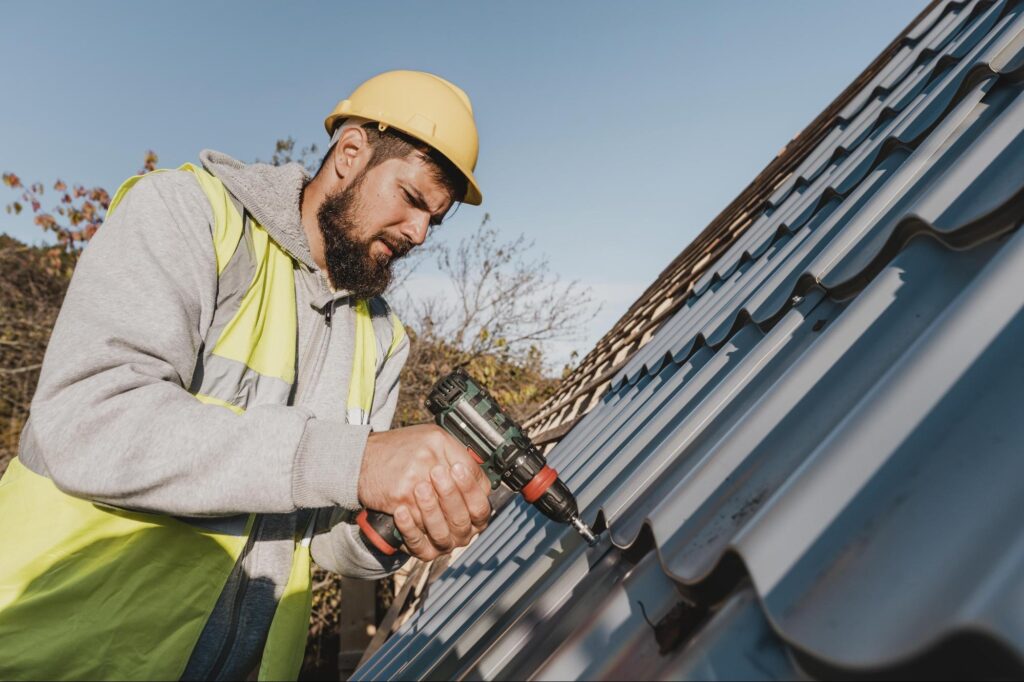
Before anyone climbs a ladder: spotting the problem
Repairs begin with what you notice at home. These are the signs that most often lead to a call:
- Water stains on ceilings or walls
- Missing, cracked or curled shingles
- Shingle granules collecting in gutters or at the bottom of downspouts
- Loose flashing near a chimney or vent
- Damp insulation or a musty smell in the attic
- Sagging areas on the roof
- Daylight showing through the attic boards
Flashing is the thin metal that seals the joints where the roof meets a chimney, wall or vent. Granules are the small stone particles on the surface of asphalt shingles, and they help protect the shingle from sun and rain. Losing a lot of them is a sign of wear.
Stay off the roof yourself, especially when it is wet or damaged. Look from the ground, take photos from a safe spot, and write down when you first noticed the problem.
Step one: the first conversation
The first call is a short fact-finding chat. The roofer asks what you have seen, where you have seen it, and whether a storm came first. Expect questions about the age of the roof and any past repairs.
Your answers shape the visit. A leak that appears only in strong wind points to different causes than one that shows up after every rain. Good detail here saves time on site.
Have a few facts ready before you dial. Know roughly how old the roof is, which rooms show stains, and whether you have had work done before. If you have photos of the stain or of the roof taken from the ground, keep them close. If you have paperwork from an earlier repair, find it. The more the roofer knows, the better the first visit goes.
Step two: the inspection
An inspector looks at the roof and the areas around the problem, not only the spot you reported. Water travels. It can run along decking and rafters before it shows up inside, so the stain on your ceiling may sit well away from the actual opening.
The inspection usually covers these parts:
- Shingles or other roof covering
- Flashing and sealant around openings
- Vents and pipe boots
- Ridge caps, valleys and edges
- Gutters and visible drainage problems
- The attic, when it can be reached, for moisture and ventilation issues
This step is also where hail and wind damage turn up. Some impact marks are hard to see from the ground, so a close look matters.
Step three: temporary protection, if water is getting in
If rain is coming through the roof, the first job is to stop more water from entering. A crew may cover an exposed section with a tarp or similar protection. This is a short-term fix. It buys time until the permanent repair can be done.
Emergency cover is most common after storms, falling branches, or a sudden major leak. If you need it, say so on the first call.
Step four: explaining the findings
Reputable providers of roof repair services in Baton Rouge, LA explain what they found in plain words. A clear explanation includes where the damage is, what caused it, and what happens if the repair waits. Ask to see photos, because a picture of a cracked boot or a lifted shingle makes the problem easy to understand.
A written estimate follows when work is needed. The final number depends on the scope of work, the roofing material, how easy the roof is to reach, and what is found underneath. Decking damage, flashing work and ventilation fixes can all change the total. That is why a reliable estimate comes after an inspection, not before one.
Step five: the repair itself
One company that follows this kind of process is Spears Roofing and Repair Services, a Baton Rouge roofing business whose website lists roof repair, inspections and emergency work among its services. Its published repair steps run from discussing the problem to inspecting, explaining, repairing and checking the finished work, which matches the sequence described here.
The work itself depends on the cause. Typical repairs include:
- Replacing missing or broken shingles
- Resealing or replacing damaged flashing
- Repairing ridge caps
- Replacing cracked vent boots
- Securing loose material after wind
- Fixing damaged decking before covering it again
How long this takes varies with the material, the weather, the access and how much damage there is. Rain can delay work, and a roof that is hard to reach takes longer. Ask for a time range, not a fixed promise, and ask what happens if the weather turns.
Step six: the final check
Once repairs are done, the roofer should check the finished work to confirm the roof is secure. Look for tidy edges, sealed joints and cleared debris. Ask for a short walk-through of what was fixed, and keep any photos and paperwork for your records.
In the weeks after a repair, watch the ceiling during the next heavy rain. If a stain appears again, call back right away. A repair that does not hold needs a second look, not a long wait.
Repair or replace? The factors that decide it
Many people ask whether a repair is enough. The answer depends on several things:
| Factor | Leans toward repair | Leans toward replacement |
| Roof age | Roof is fairly young | Roof is near the end of its life |
| Damage area | Small, limited spot | Widespread wear |
| Leak history | One isolated leak | Repeated leaks |
| Decking | Boards are sound | Boards are damaged or rotted |
| Past repairs | Few or none | Many patches already |
No table can make the call for your house. An inspection can. If a roofer recommends replacement, ask them to point out the evidence on the roof. If they recommend a repair, ask what the roof will need in the next few years.
Keeping the repair working: simple care after the visit
A repair fixes one problem. Regular care keeps new ones from forming. Baton Rouge roofs face heat, humidity, heavy rain and wind, and each of those wears on materials over time.
Build a short routine around the weather:
- Walk the property after any strong storm and look for fallen branches or debris on the roof
- Check the gutters and downspouts for shingle granules
- Look at ceilings and attic wood for new stains or dampness
- Trim branches that hang over the roof
- Schedule an inspection after major wind or hail, even if nothing looks wrong
These checks take about ten minutes and cost nothing. They also build a record. If you ever need to show an insurer or a roofer when a problem started, dated photos help a great deal.
Finally, keep every receipt and report from the repair in one folder. A roof that has a documented history is easier to assess, easier to insure and easier to sell.
What to remember when you call
Good roof repair services in Baton Rouge, LA follow the same pattern each time: listen, inspect, protect, explain, repair and check. Knowing the steps lets you tell a thorough visit from a rushed one. Have your notes and photos ready, ask for written details, and keep the paperwork once the job is done.