

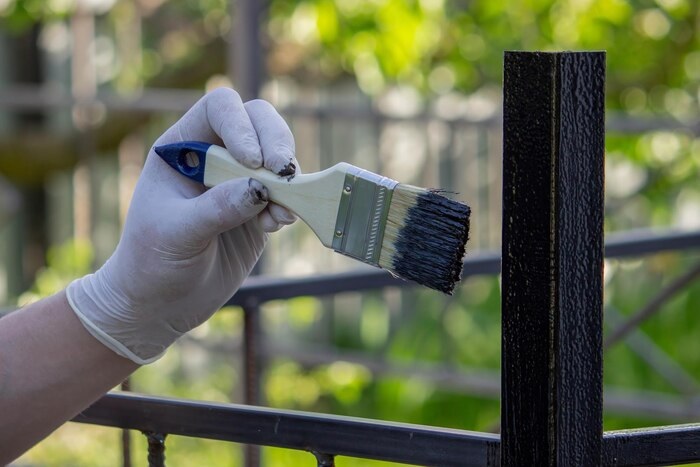

A fresh coat of paint can make an old fence look clean and new. It can also protect the surface from sun, rain, dirt, and daily outdoor wear. Good painting can improve your garden, add street appeal, and help your fence stay in better condition. However, poor painting can lead to many problems over time.
Fence paint can peel, crack, fade, or bubble because of moisture, bad weather, poor preparation, or the wrong products. Choosing fence painting services in Melbourne can help homeowners avoid these common issues. Skilled painters can prepare the surface, choose suitable paint, and apply it with care. This can help your fence look fresh, neat, and well cared for longer.
Peeling Fence Paint
Peeling is a common problem with painted fences. The paint may start to lift or come away from the surface.
This can happen when the fence is dirty or old loose paint is left behind. Moisture can also cause paint to lose its grip.
Professional fence painting services should include good surface preparation before fresh paint is added.
How to Avoid Peeling
Clean the fence before painting. Remove loose or flaking paint and sand rough areas where needed. The surface should also be dry before painting starts.
Use a primer when the surface or paint product needs one. Good preparation helps new paint stick better.
Cracking and Flaking Paint
Paint may develop small cracks as it gets older. These cracks can grow and lead to flaking.
Poor preparation and unsuitable paint can also cause this problem.
Check the Fence Early
Look at your fence from time to time. Small cracks, loose paint, and bare areas may be signs that maintenance is needed.
Fixing problems early can help stop larger areas from becoming worn.
Faded Fence Colour
Outdoor fences face sunlight every day. UV exposure can slowly cause paint colours to fade.
Quality exterior paint can help provide a durable finish when it is applied correctly. Professional fence painting services can help choose products that suit the fence material and outdoor use.
Choose Suitable Exterior Paint
Use paint made for exterior surfaces. Follow the product directions for preparation, application, and drying.
The right product will depend on whether your fence is timber, metal, or another material.
Paint Bubbling or Blistering
Small bubbles can sometimes form under fence paint. These may later break and cause the coating to peel.
Moisture under the paint is one possible cause. Painting a damp or poorly prepared fence can also lead to problems.
Keep the Surface Dry
Make sure the fence is suitably dry before painting. Do not simply paint over an ongoing moisture problem.
Clean and prepare the surface first. This can help the coating bond properly.
Using the Wrong Paint
Not every type of paint works on every fence. Timber and metal fences have different needs.
Using the wrong product can result in poor coverage or paint that does not stick well.
Professional fence painting services should consider the fence material, surface condition, and existing coating before choosing paint.
Match the Product to the Surface
Timber may need a suitable primer and exterior coating. Metal fences may need different preparation and products, especially when rust is present.
Always check that the primer and topcoat are suitable for the surface.
Rust on Metal Fences
Rust can form when some metal surfaces are exposed to moisture. Painting straight over loose rust may only hide the problem for a short time.
Remove suitable loose rust and prepare the metal before painting. Larger areas of damage may need more work before a new coating is applied.
Painting in Poor Weather
Weather can change the result of an outdoor painting job. Rain, strong wind, damp conditions, or extreme heat may affect application and drying.
For local homes, fence painting services in Melbourne should consider Melbourne’s changing weather when planning outdoor painting. Suitable conditions can help the paint dry as intended.
Check Conditions Before Painting
Follow the paint maker’s instructions for temperature and drying time. Avoid starting when rain or other poor conditions could affect the work.
Uneven Paint Coverage
Patchy colour and missed areas can make a fence look unfinished. This may happen when the wrong tools are used or the paint is spread unevenly.
Use suitable brushes, rollers, or spray equipment for the fence. Apply the coating evenly and allow enough drying time between coats.
Poor Colour Choice
A fence colour can look different outside than it does on a small colour card.
Sunlight, shade, plants, the house exterior, and the roof can all change how the colour appears.
Test the Colour First
Try a small sample on the fence. Look at it at different times of the day before making your final choice.
Choose a colour that works well with your home, garden, and other outdoor features.
Not Protecting Nearby Areas
Fence painting can create drops or spray. Nearby plants, paths, walls, gates, and outdoor furniture should be protected.
Move items where possible and cover areas that should not be painted. Good preparation can make the job cleaner and easier.
How to Keep Fence Paint Looking Fresh
Check your fence regularly for peeling, cracks, fading, rust, and other damage. Keep the surface clean using methods that suit the fence and its coating.
Early care can help you find small problems before they become bigger.
Conclusion
Peeling, cracking, fading, bubbling, rust, and uneven paint can make a fence look old and worn. Good preparation, suitable exterior paint, proper drying time, and regular care can help prevent many of these problems.
When choosing fence painting services in Melbourne, look for professionals who understand different fence materials and outdoor painting needs. Samet Painting provides professional painting services for Melbourne properties, helping homeowners create clean, fresh, and well-prepared fence finishes.