

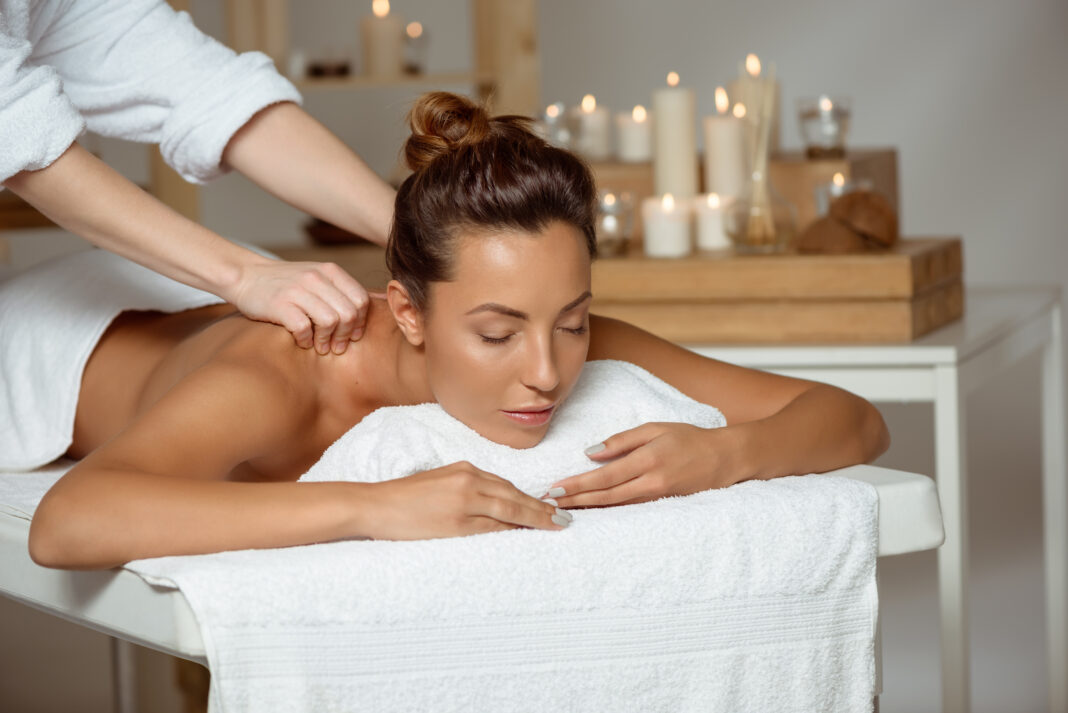

Athletes push their bodies every day. Training causes stress on muscles, joints, and connective tissue. Without proper recovery, performance can decline. Injuries may also occur.
Massage therapy plays a key role in athletic care. It helps the body recover faster. It also supports long-term performance and injury prevention.
For athletes in Uxbridge, massage therapy is widely available. Understanding how it works is essential. Knowing what to expect leads to better results.
This guide explains massage therapy for athletes. It covers benefits, techniques, safety, and legal points. It also explains how to choose the right professional. This information is designed for Uxbridge clients who want informed decisions.
What Is Massage Therapy for Athletes?
Massage therapy for athletes focuses on muscle health. It is different from relaxation massage. The goal is function, recovery, and performance.
Therapists work on specific muscle groups. They address tightness, knots, and imbalances. They also support circulation and flexibility.
Athletes of all levels can benefit. This includes professionals, amateurs, and active individuals. You do not need to compete to receive care.
Many massage services specialize in athletic therapy. These services adapt techniques to sport demands. Treatment plans are often personalized.
Key Benefits of Massage Therapy for Athletes
Massage therapy offers many benefits. These benefits support both short-term and long-term health.
Faster Muscle Recovery
Exercise causes micro-tears in muscle fibers. Massage increases blood flow to the area. This supports oxygen and nutrient delivery. Waste products are removed faster.
Recovery time is reduced. Athletes can train more consistently.
Reduced Muscle Tension
Overuse leads to tight muscles. Tight muscles limit movement. Massage releases tension and adhesions.
This improves range of motion. Movement becomes smoother and safer.
Injury Prevention
Muscle imbalances increase injury risk. Massage helps identify problem areas early. Regular sessions correct these issues.
This lowers the chance of strains and pulls.
Improved Performance
Flexible muscles perform better. Coordination and balance improve. Athletes often feel lighter and stronger.
Many massage services focus on performance goals. This makes therapy part of training, not just recovery.
Common Massage Techniques Used for Athletes
Different techniques serve different purposes. A qualified therapist chooses the right approach.
Deep Tissue Massage
This targets deeper muscle layers. Firm pressure is applied slowly. It breaks down adhesions and knots.
Some discomfort is normal. Pain should never be extreme.
Sports Massage
Sports massage is activity-focused. It may be used before or after events. Pre-event massage prepares muscles. Post-event massage supports recovery.
Trigger Point Therapy
Trigger points cause referred pain. Therapists apply direct pressure. This releases the tight area.
Myofascial Release
This works on connective tissue. Gentle, sustained pressure is used. It improves mobility and posture.
Professional massage services often combine techniques. This ensures comprehensive care.
When Should Athletes Get Massage Therapy?
Timing matters for results.
Massage can be used before training. This prepares muscles for activity.
It is also useful after workouts. This helps reduce soreness.
During intense training cycles, weekly sessions help. During rest periods, less frequent care may suffice.
Therapists adjust frequency based on goals. Listening to your body is essential.
Clients using massage services in Uxbridge often schedule regular sessions. Consistency delivers the best outcomes.
Legal and Professional Considerations
Massage therapy is regulated in Ontario. This protects clients and practitioners.
Licensing and Certification
Therapists must be registered. They should belong to a recognized regulatory body. This ensures proper education and ethics.
Always verify credentials. Licensed therapists follow strict standards.
Consent and Privacy
Clients must provide informed consent. Therapists explain procedures clearly. You can stop treatment at any time.
Personal health information is protected by law. Confidentiality is mandatory.
Insurance and Receipts
Many health insurance plans cover massage therapy. Coverage depends on your policy. Registered therapists provide valid receipts.
This applies to massage services in Uxbridge as well. Always confirm insurance acceptance in advance.
How to Choose the Best Massage Professional
Choosing the right therapist matters. Skill and experience affect results.
Check Qualifications
Look for registration and certifications. Sports or athletic training is a plus.
Experience with Athletes
Ask about experience with your sport. Different sports stress the body differently.
A runner needs different care than a weightlifter.
Communication Style
The therapist should listen carefully. They should explain techniques clearly.
Good communication builds trust.
Clean and Professional Environment
The clinic should be clean and organized. Professional behavior is essential.
Reputable massage services maintain high standards.
What Athletes Should Ask Before Booking
Asking questions helps avoid issues. It also ensures the right fit.
Consider asking:
- Are you a registered massage therapist?
- Do you have experience with athletes?
- What techniques do you use?
- How many sessions may be needed?
- What should I expect after treatment?
- Are there any risks for my condition?
Clear answers show professionalism.
Clients exploring massage services in Uxbridge should never feel rushed. Transparency matters.
Safety and Potential Risks
Massage therapy is generally safe. However, risks exist in some cases.
Avoid massage if you have:
- Acute infections
- Open wounds
- Blood clots
- Certain skin conditions
Always share medical history. This includes injuries and surgeries.
Mild soreness after treatment is normal. Severe pain is not.
Qualified massage services prioritize safety first.
Cost and Session Expectations
Session length varies. Common sessions last 30, 60, or 90 minutes.
Prices depend on time and expertise. Insurance may offset costs.
During sessions, expect:
- A brief assessment
- Targeted treatment
- Post-session advice
Therapists may suggest stretching or hydration.
Why Local Knowledge Matters in Uxbridge
Local therapists understand community needs. They often work with local teams and athletes.
Accessibility matters for regular care. Convenient locations support consistency.
Many athletes trust massage services that are locally established. Community reputation is valuable.
Conclusion
Massage therapy is a powerful tool for athletes. It supports recovery, performance, and injury prevention. Understanding techniques and timing improves results. Legal awareness protects your rights. Choosing the right professional ensures safety and value. Asking the right questions builds confidence. Consistency delivers long-term benefits. For athletes seeking trusted care, informed decisions matter. Professional massage services in Uxbridge provide structured, regulated support. Massage therapy is not a luxury. For athletes, it is part of smart training.