


Electrical systems keep homes and businesses running every day. From lighting and appliances to computers and heating systems, electricity powers almost everything we use. But when an electrical system develops faults, it can become dangerous. That is why remedial electrical works are important.
Electrical remedial works are repairs or improvements carried out to fix faults found during inspections or testing. Professional electricians perform these repairs carefully to ensure the electrical system becomes safe again.
In this guide, we explain how professional electricians carry out remedial works safely, the steps involved, and why these repairs are essential for electrical safety.
What Are Electrical Remedial Works?
Electrical remedial works are corrective repairs made to fix electrical faults. These faults are usually found during an electrical inspection or testing process.
For example, when electricians perform an Electrical Installation Condition Report (EICR), they often find issues that need attention. These issues may include damaged wiring, faulty sockets, or outdated fuse boxes.
The purpose of electrical works is simple: to repair problems and make the electrical system safe and compliant with safety standards.
Common types of electrical remedial work include:
- Repairing damaged wiring
- Replacing faulty sockets and switches
- Upgrading old fuse boxes
- Fixing overloaded circuits
- Improving earthing and bonding
These repairs help prevent electrical hazards such as shocks, fires, or power failures.
Why Safety Is Important During Remedial Works?
Electricity can be dangerous if handled incorrectly. Faulty wiring, damaged circuits, or overloaded systems can create serious safety risks.
Professional electricians carry out remedial work safely to prevent accidents and protect both the property and the people inside. Some common electrical hazards include:
- Electric shocks
- Electrical fires
- Short circuits
- Equipment damage
- Power outages
By fixing electrical faults fast, electricians reduce these risks and ensure the system works properly again.
Electrical remedial work also helps properties meet electrical safety regulations and compliance requirements.
Step 1: Carrying Out a Detailed Electrical Inspection
Before starting any repair, electricians begin with a full electrical inspection. This step helps them understand the condition of the electrical system.
During the inspection, electricians check several parts of the installation, including:
- Electrical wiring
- Circuits and cables
- Sockets and switches
- Lighting systems
- Fuse boxes and circuit breakers
- Earthing and bonding systems
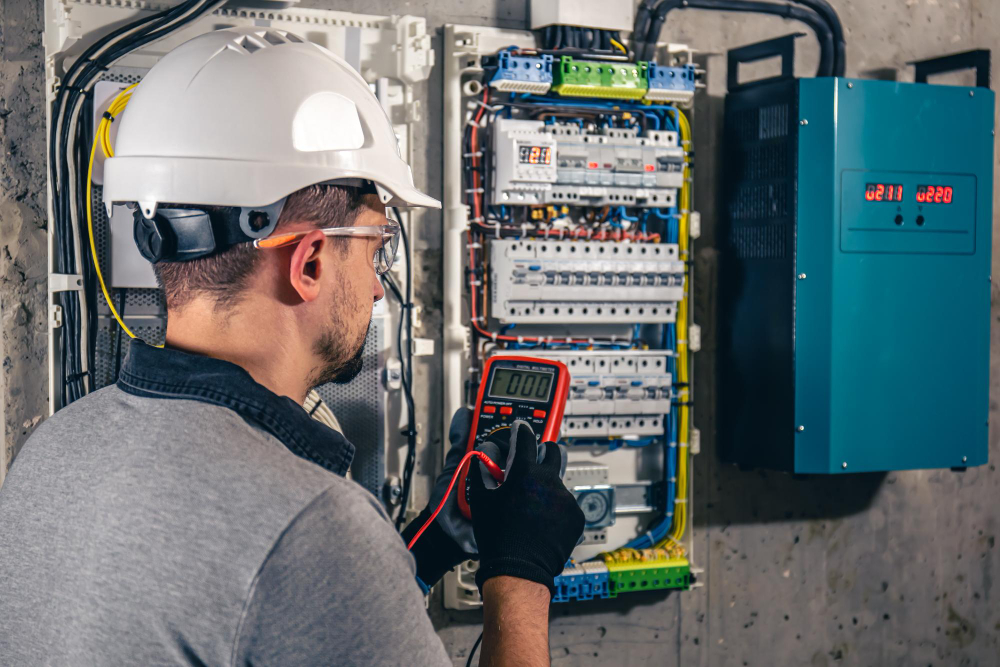
They use professional testing equipment such as multimeters and insulation testers to detect hidden faults. The goal of the inspection is to identify problems that require remedial works.
Step 2: Identifying Electrical Faults and Risks
After the inspection, electricians analyse the results and identify faults in the system.
Some faults may be minor, while others can be serious safety risks. Electricians classify these issues based on their level of danger.
Typical electrical faults include:
- Damaged or exposed wiring
- Overloaded circuits
- Loose electrical connections
- Faulty circuit breakers
- Poor earthing systems
At this stage, electricians also perform a risk assessment. This helps them decide which repairs should be done immediately. Proper fault identification ensures that the right remedial works are carried out.
Step 3: Isolating the Electrical Supply
Safety always comes first when working with electricity. Before starting repairs, electricians isolate the electrical supply. This means turning off the power to the affected circuits or the entire electrical system.
Electricians follow strict safety procedures during this process. These procedures help prevent electrical shocks or accidental power activation.
Common safety measures include:
- Turning off the main power supply
- Locking the electrical panel
- Using warning tags
- Wearing protective equipment
Power isolation ensures that electricians can carry out remedial works safely.
Step 4: Carrying Out the Electrical Remedial Work
Once the system is safe to work on, electricians begin the repair process.
The type of remedial work depends on the faults discovered during the inspection.
Some common electrical remedial works include:
Wiring Repairs or Rewiring
Old or damaged wiring can create serious safety risks. Electricians repair faulty wiring or replace cables that no longer meet safety standards.
In some cases, partial or full rewiring may be required.
Fuse Box Replacement
Older fuse boxes may not provide enough protection for modern electrical systems. Electricians often replace outdated fuse boards with modern consumer units that include circuit breakers and RCD protection.
Repairing Sockets and Switches
Loose or damaged sockets and switches can cause sparks, overheating, or electrical shocks. Electricians replace these components to restore safe operation.
Circuit Breaker Upgrades
Overloaded circuits can cause breakers to trip frequently. Electricians upgrade or balance circuits to prevent overload problems.
Earthing and Bonding Improvements
Earthing and bonding systems help protect people from electric shocks. Electricians ensure these systems are correctly installed and functioning properly. All these tasks are part of professional remedial works designed to restore electrical safety.
Step 5: Testing the Electrical System After Repairs
After completing the repairs, electricians do not simply restore the power and leave. They carry out detailed electrical testing to ensure the system is safe.
Testing is an important step in the remedial works process.
Common tests include:
- Insulation resistance testing
- Continuity testing
- Polarity testing
- RCD testing
- Earth fault loop testing
These tests confirm that the electrical system is working correctly and safely. If any issues are found during testing, electricians fix them before finishing the job.
Step 6: Providing Certification and Compliance Reports
After completing the repairs and testing, electricians provide documentation for the work carried out.
This may include:
- Electrical safety certificates
- Updated inspection reports
- Compliance documentation
These documents confirm that the remedial works were completed according to electrical safety standards. Proper documentation is especially important for landlords, property managers, and businesses that must follow electrical safety regulations.
Signs Your Property May Need Electrical Remedial Works
Sometimes electrical faults appear without warning. However, there are several signs that indicate your property may need electrical remedial work.
Common warning signs include:
- Frequent circuit breaker trips
- Flickering lights
- Burning smells from outlets
- Warm sockets or switches
- Buzzing sounds from electrical panels
- Old fuse boxes
If you notice any of these signs, it is important to contact a qualified electrician as soon as possible.
Early repairs can prevent serious electrical hazards.
Benefits of Hiring Professional Electricians for Remedial Works
Electrical repairs should always be carried out by qualified professionals. Attempting to fix electrical faults without proper training can be extremely dangerous.
Professional electricians provide several benefits when performing remedial works.
Improved Electrical Safety
Expert electricians know how to repair faults safely, reducing the risk of shocks or fires.
Compliance With Electrical Regulations
Licensed electricians ensure the work meets current safety standards and building regulations.
Long-Term Reliability
Professional repairs improve the reliability and performance of the electrical system.
Protection for Property
Proper electrical repairs help protect homes and businesses from damage caused by faulty wiring or overloaded circuits.
How Regular Electrical Inspections Prevent Major Problems?
One of the best ways to reduce the need for major electrical works is through regular electrical inspections. Routine inspections help electricians detect small problems before they become serious safety risks.
Regular maintenance can:
- Identify worn wiring early
- Detect overloaded circuits
- Improve electrical system performance
- Prevent costly repairs
Many experts recommend electrical inspections every few years, especially for older properties.
Conclusion
Electrical faults can create serious risks if they are not fixed quickly. That is why remedial electrical works play such an important role in maintaining electrical safety.
Professional electricians follow a careful process when carrying out remedial work. They inspect the system, identify faults, isolate the power, perform repairs, and test everything to ensure safety and compliance.
These steps help protect homes, businesses, and the people who rely on safe electrical systems every day. If you suspect problems with your electrical installation, it is always best to contact a qualified electrician. Prompt remedial works can prevent hazards, improve reliability, and ensure your electrical system remains safe for years to come.