


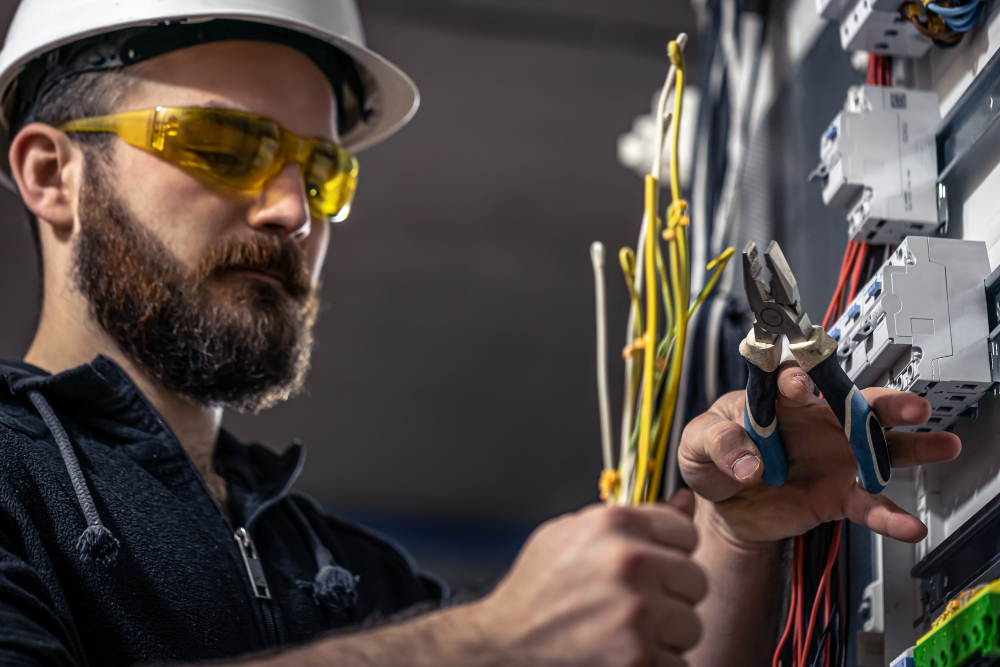
Electrical faults are one of the most common problems homeowners and businesses face, yet they are often underestimated. From flickering lights to tripping circuit breakers, these issues can not only disrupt daily life but also pose serious safety risks. Many of these problems require remedial works, carried out by licensed electricians to ensure safety and compliance. In this guide, we will explore the most common electrical faults, their causes, and practical ways to prevent them.
Understanding Remedial Works in Electrical Systems
Before diving into the faults themselves, it’s essential to understand what remedial works actually means. In the electrical industry, remedial works refer to the process of fixing or upgrading faulty electrical systems to ensure they are safe and fully functional. This can include fault finding, fusebox replacement, rewiring, or EIC electrical inspections.
Whether it’s a home, office, or commercial property, remedial works are necessary to prevent hazards like electrical fires, shocks, or system failures. While some issues can seem minor, even small electrical faults can escalate into dangerous situations if left unattended.
Common Electrical Faults That Require Remedial Works
Electrical faults can occur for various reasons, including poor installation, aging infrastructure, or overuse of circuits. Here are the most common issues that often require remedial works:
1. Faulty Wiring and Connections
Faulty wiring is one of the most frequent causes of electrical problems. Over time, wiring can degrade due to wear and tear, moisture, or even rodent damage. DIY installations or poor workmanship can also lead to loose connections and exposed wires.
Risks: Electrical shocks, fires, and appliance damage.
Remedial Works: Rewiring affected areas, securing loose connections, and installing proper insulation. Regular electrical inspections can detect these issues before they become hazardous.
2. Tripping Circuit Breakers
Circuit breakers are designed to protect your property from overloads or short circuits. However, frequent tripping is a clear sign that something is wrong. This can be caused by overloading circuits, faulty appliances, or outdated fuse boxes.
Risks: Power loss, potential fire hazards, and damage to sensitive electronics.
Remedial Works: A licensed electrician can replace old fuseboxes, upgrade circuit breakers, and balance electrical loads across circuits to prevent frequent tripping.
3. Damaged Sockets and Switches
Sockets and switches are used daily, and constant use can lead to damage or wear. Water ingress, poor installation, and old fittings are common causes.
Risks: Electric shocks, short circuits, and potential fires.
Remedial Works: Repairing or replacing faulty sockets and switches, inspecting connections, and ensuring compliance with safety standards. Periodic checks as part of EIC electrical inspections are highly recommended.
4. Faulty Lighting and Extractor Fans
Lighting and extractor fans are often overlooked when it comes to electrical maintenance. Problems can arise from worn-out wiring, damaged fixtures, or incorrect installation.
Risks: Flickering lights, short circuits, appliance failure, and uneven electrical loads.
Remedial Works: Repairing faulty wiring, installing new lighting fixtures, or replacing extractor fans. Proper installation and maintenance reduce the chances of recurring issues.
5. Smoke and Heat Alarm Malfunctions
Smoke and heat alarms are critical for fire safety. Yet they can fail due to incorrect wiring, aging batteries, or lack of maintenance.
Risks: Fire hazards and reduced early warning in emergencies.
Remedial Works: Correctly wiring smoke and heat alarms, replacing old devices, and regular testing. This is an essential aspect of preventive electrical remedial works.
Causes Behind Frequent Electrical Faults
Understanding the root causes of electrical faults can help prevent costly remedial works:
- Poor Installation:
Unlicensed electricians or DIY installations can lead to faulty wiring and unsafe connections. - Overloaded Circuits:
Plugging too many high-powered appliances into a single circuit can cause overheating and tripping breakers. - Aging Infrastructure:
Older properties often have outdated fuse boxes, worn wiring, and components that need upgrading. - Environmental Factors:
Moisture, heat, and pests can damage electrical wiring. - Neglecting Maintenance:
Without regular inspections, minor faults can grow into major hazards.
By addressing these causes early, property owners can significantly reduce the need for extensive remedial works.
How to Prevent Electrical Faults and Reduce Remedial Works
Prevention is always better than repair. Here are practical steps to minimize electrical faults:
- Schedule Regular EIC Electrical Inspections Professional inspections identify risks before they escalate. Regular checks ensure your property meets safety regulations and reduces unexpected remedial works.
- Upgrade Fuse Boxes and Circuit Breakers Modern fuse boxes provide better protection against overloads and short circuits. Upgrading ensures your electrical system can handle today’s high-demand appliances safely.
- Avoid DIY Electrical Work While minor tasks like changing light bulbs are fine. Electrical installations and repairs should always be handled by licensed electricians. This prevents unsafe connections and recurring faults.
- Maintain Appliances and Wiring Regular checks on appliances, sockets. Wiring prevent overloading and identify wear and tear early.
- Install Safety Devices RCDs, surge protectors, smoke, and heat alarms all add layers of protection. Proper installation and periodic testing are crucial.
- Document Electrical History Keeping a record of past inspections, remedial works, and repairs helps in planning future maintenance and ensures compliance with safety regulations.
These preventive measures not only enhance safety but also reduce repair costs and downtime.
When to Call a Professional for Remedial Works
Some electrical faults are signs that immediate professional attention is needed. Call a licensed electrician if you notice:
- Sparks or burning smells from outlets or switches.
- Frequent tripping of circuit breakers.
- Flickering or dimming lights.
- Damaged or sparking sockets and switches.
Professional remedial works ensure that faults are corrected safely, avoiding further damage or hazards. For emergencies, contacting a 24-hour emergency electrician ensures timely resolution.
Conclusion
Electrical faults can range from minor inconveniences to serious safety hazards. Early detection and remedial works are key to keeping your home or business safe and fully functional. By scheduling regular inspections, upgrading old fuse boxes. Avoiding DIY electrical work, and maintaining appliances. Property owners can significantly reduce risks and prevent costly repairs. If you notice any signs of electrical faults, don’t wait. Consult a licensed electrician to carry out remedial works and protect your property. Your safety, and the safety of those around you, depends on it.