

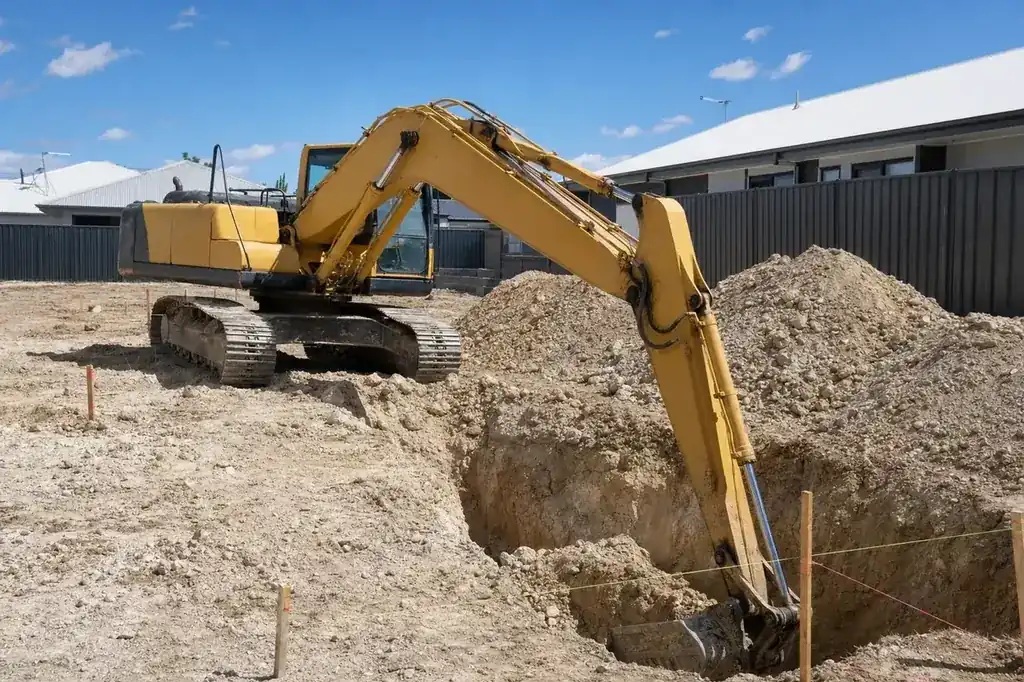

Many project managers treat earthworks as the cheap, simple stage that happens before the real building starts. In practice, it is the stage that decides whether everything built on top will sit level, drain well and pass inspection. Errors made here stay buried, and they are expensive to dig up. This guide covers eight common mistakes in commercial earthworks in Perth, and how to correct each one.
The advice applies to small commercial sites as well as larger ones. It suits business owners, builders, developers and site managers who are briefing a contractor for the first time.
Who is involved in a commercial earthworks job
Several parties touch the work, and mistakes often happen in the gaps between them. The owner sets the goal and the budget. The builder or project manager runs the program. An engineer or designer sets levels, drainage and compaction needs. The earthworks contractor does the physical work. When each party thinks another has covered a detail, nobody does.
Before work starts, name one person who owns each item in your scope. A short list with names beside each line prevents most of the confusion.
Mistake 1: Treating soil information as optional
Soil decides how much digging, filling and compaction a site needs. Perth sites range from loose sand to heavy clay and rock, and the difference can change a budget by a wide margin. Yet many briefs go out with no soil data at all.
The fix. Gather what exists before you ask for quotes. This might be a geotechnical report, a past survey or notes from a neighbouring job. Share it with every bidder. If nothing exists, ask the contractor to describe how they will assess the ground and how they will price surprises. A first site inspection that looks at soil conditions and drainage needs is a sign of a careful contractor.
Mistake 2: Accepting a vague scope
A scope that says “level site” tells you almost nothing. It does not say how high or low the finished surface will be, where surplus soil will go or how much fill will arrive.
The fix. Ask for a written scope that lists these items:
- Finished levels and tolerances, shown on a plan.
- Areas of cut and areas of fill.
- Where surplus soil goes and who pays for removal.
- Source and type of any imported fill.
- Compaction method and testing.
- Drainage and stormwater works.
With a clear scope, you can compare quotes fairly and spot gaps early.
Mistake 3: Leaving drainage until the end
Water follows the shape of the ground. If the plan does not direct it, it will collect in the wrong place, soften the base or flood a car park. Drainage and stormwater excavation are core parts of many commercial and industrial jobs, not extras.
The fix. Decide how water leaves the site at the planning stage. Ask the contractor to show the falls on the plan and to explain how stormwater connects to the network or to on-site storage. Check that approvals for any connection are in hand before work starts.
Mistake 4: Skipping the buried services check
Commercial sites often hold old pipes, cables and conduits. Hitting one is dangerous and can stop work for days.
The fix. Use the free Dial Before You Dig service before any excavation, and share the results with the contractor. Add on-site detection where records are poor. Make sure the crew knows what to do if they find an unmarked service.
How commercial work differs from a home job
The same machines are used on a house pad and on a warehouse site, but the stakes and the paperwork are different. Commercial earthworks in Perth often carry tighter levels, heavier loads and stricter timelines. A slab for a workshop may carry forklifts. A car park must handle trucks, and a road base must last under constant traffic.
Typical commercial work includes site preparation for buildings, foundation excavation, and car park and road base preparation. Industrial sites may need land clearing, bulk earthmoving and drainage or stormwater excavation. Larger civil jobs add road preparation, utility trenching and subdivision earthworks.
Because the loads and costs are higher, careful planning matters more. A small error in levels that would be minor on a backyard can force rework on a commercial slab.
Mistake 5: Forgetting about site access and machine movements
Excavators, bulldozers, skid steer loaders and dump trucks all need room to work. A narrow gate, a steep driveway or a neighbour’s parked cars can slow a job and raise the price.
The fix. Walk the access route with the contractor. Agree where machines enter, where trucks turn and where soil is stockpiled. For sites near traffic or pedestrians, ask how the crew will keep people safe.
Mistake 6: Not specifying compaction
A pad that looks flat can still settle if the soil under it was not compacted in layers. Slabs crack, car parks dip and pavements fail.
The fix. Treat compaction as a written requirement. Australian Standard AS 3798 gives guidelines on earthworks for commercial and residential developments, and engineers often use it to set testing and supervision levels. Ask your engineer or builder what applies to your site, and ask the contractor how they will meet it. The last step in a good process is a final inspection against construction standards.
To see how one business describes the finish to its commercial work, read the earthworks page of a Beechboro-based contractor. It lists site preparation for commercial buildings, foundation excavation, and car park and road base preparation, and it outlines a five-step process from inspection to final check. Treat the page as a claim to be tested, and ask for examples and references.
Dust, noise and neighbours
Earthworks create dust and noise, and neighbouring businesses will notice. Ask the contractor how they will manage both. Water carts, wet-down routines and sensible working hours reduce complaints. Tell neighbours before work starts and give them a contact number.
Check any council or site conditions that limit work hours or require dust control. Meeting those rules from day one avoids stop-work orders that can cost far more than the prevention.
Mistake 7: Ignoring weather and the program
Perth winters can bring heavy rain, and wet ground is hard to dig, haul and compact. A job planned for the wettest weeks with no allowance for delay will run late.
The fix. Ask the contractor for a program that shows when each stage happens and what happens if rain stops work. Tell your builder and trades about the dates, since a delay in earthworks pushes everything after it.
Mistake 8: Choosing on price alone
The lowest quote often leaves out items that the others included. The gap shows up later as variations, and variations can exceed the saving.
The fix. Line up quotes side by side against the scope list from Mistake 2. Ask each contractor how variations are priced and approved. Check insurance, safety documents and a recent job of similar size. Compare value, not just the bottom line.
What a good commercial job looks like
When these eight mistakes are avoided, a commercial earthworks job tends to follow a steady path:
- A site inspection that assesses soil conditions and drainage needs.
- A detailed plan for the earthmoving.
- Excavation, cut and fill with the right machines.
- Levelling and grading, followed by compaction.
- A final inspection against construction standards.
Safety runs through all five steps. Look for a site risk assessment, soil stability checks and safe trenching methods. Those items protect workers, protect your schedule and protect you.
A short hypothetical example
This example is made up to show how the mistakes play out.
Imagine a small business owner who buys a block for a workshop and car park. The brief says only “level the site and prepare for a slab.” Two quotes arrive. One is much cheaper. Work starts, and the crew finds a rock shelf in one corner and soft ground in another. The cheap quote did not cover rock removal or extra compaction. Variations pile up, and the slab start slips by several weeks.
Now imagine the same owner asks each contractor to price a written scope with finished levels, spoil removal, compaction and drainage. Both quotes now cover the same work. The rock shelf and the soft ground are still found, but the contract already says how they are priced. The owner pays a fair amount and the program holds.
A checklist to take to your first meeting
Bring this short list and tick items off during the meeting.
- Do you have soil, survey or drainage information to share?
- Is the scope written, with levels and tolerances?
- Who handles buried service checks?
- How will machines and trucks reach the site?
- What are the compaction and testing requirements?
- What is the program, and what happens when it rains?
- How are variations priced?
- Can the contractor show insurance and safety paperwork?
If you cannot tick every box, that is fine. Use the gaps as questions for the contractor. The way they answer is as useful as the answer itself, and a contractor who welcomes the list is usually one who plans well.
Before you brief a contractor
The best protection against a cost blowout is a clear brief and an honest conversation about risk. Prepare your information, define your scope and compare quotes on the same basis. Those steps make commercial earthworks in Perth far more predictable.
Local contractors that list commercial work include Straight Up Retaining Fencing & Earthworks, which operates from Beechboro and describes commercial and industrial earthworks on its earthworks page. Whichever business you choose, ask for the scope, the price and the program in writing.