

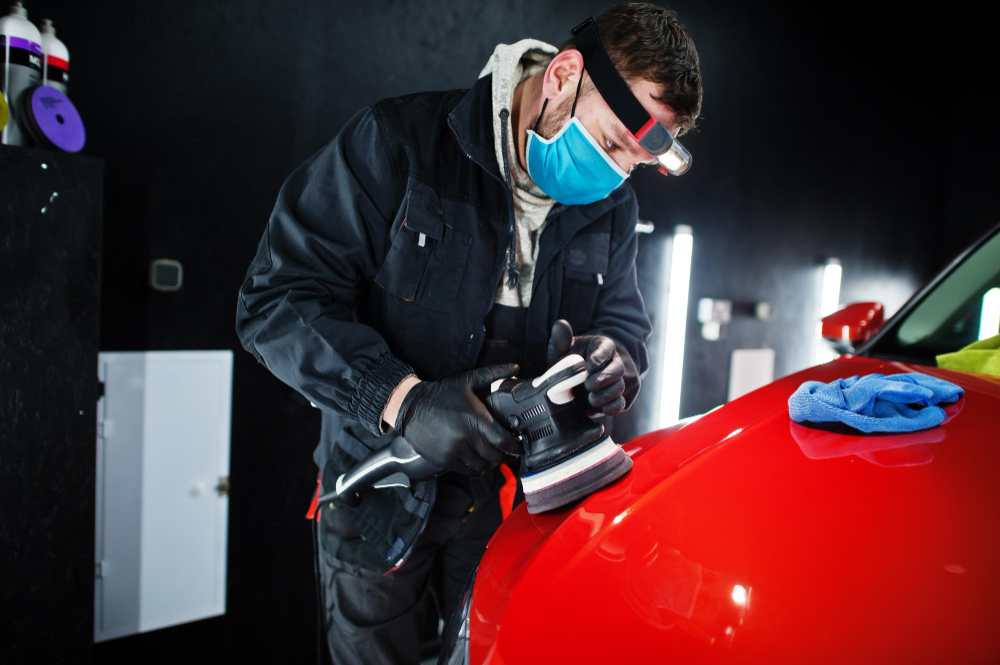

Finding the right repair facility can feel difficult after unexpected vehicle damage. You may have questions about estimates, repair methods, timelines, and final results. Choosing an Auto body shop requires more than comparing prices. Understanding the repair process helps you make informed decisions and avoid unnecessary surprises.
Understanding Your Vehicle’s Repair Requirements
Every vehicle requires a different approach after sustaining damage. A minor scrape may need refinishing, while collision damage requires deeper inspection. Even damage that appears cosmetic can affect underlying vehicle components. A proper assessment helps determine the actual scope of necessary repairs.
An experienced auto body shop in Bedford, MA examines visible and hidden damage before recommending solutions. Technicians may inspect panels, bumpers, doors, structural components, and paintwork. This evaluation helps identify problems that ordinary visual checks might overlook. It also prevents incomplete repairs and unexpected complications later.
What Happens During the Initial Inspection?
Your first visit usually begins with a discussion about the vehicle’s condition. Explain how the damage occurred and identify any concerns. Mention unusual sounds, alignment changes, or difficulties opening doors. These details help technicians understand what requires closer examination.
The inspection may include photographs and measurements of affected areas. Technicians assess damaged panels, paint surfaces, and surrounding components. They then determine whether parts need repair or replacement. A detailed assessment provides the foundation for an accurate repair plan.
Understanding the Repair Estimate
An estimate explains the expected work and associated costs. It generally identifies labor, replacement parts, materials, and refinishing requirements. Reviewing these details helps you understand what the proposed repairs involve. Ask questions whenever an item seems unclear or incomplete.
A reliable auto body shop should explain its recommendations without unnecessary technical language. Ask whether the estimate includes hidden damage allowances. Also clarify whether additional findings could change the final cost. Clear communication helps prevent confusion during the repair process.
Remember that an initial estimate may change after disassembly. Technicians sometimes discover damage concealed beneath exterior panels. The facility should explain these findings before proceeding with additional work. You should understand and approve significant changes beforehand.
How the Repair Process Usually Works
Once you approve the repair plan, technicians begin preparing the vehicle. They may remove damaged components to access affected areas. Repairable panels undergo reshaping, straightening, or surface preparation. Severely damaged parts may require suitable replacements.
After structural and panel repairs, technicians prepare surfaces for refinishing. They match paint colours and apply coatings using appropriate procedures. Proper preparation supports consistent colour and surface appearance. Final finishing also helps protect repaired areas against everyday exposure.
Some repairs involve mechanical or electronic components. Modern vehicles contain sensors, cameras, and driver assistance systems. Certain collision repairs may require diagnostic checks or recalibration. Ask whether your vehicle needs these procedures before collection.
How Long Should You Expect Repairs to Take?
Repair timelines depend on damage severity and repair complexity. Parts availability can also influence the overall schedule. Minor cosmetic work may require less time than extensive collision repairs. Structural work and specialised refinishing can extend the process.
Ask for an estimated completion date during your initial consultation. Also request updates if unexpected delays arise. A dependable auto body shop should communicate changes rather than leave you guessing. Avoid treating an estimated date as an unconditional guarantee.
What to Check Before Approving the Work
Before authorising repairs, understand the facility’s working procedures. Ask about technician experience and the equipment used. Find out how replacement parts are selected. Clarify whether repairs include paint matching and finishing checks.
You should also ask about workmanship warranties. Understand what the warranty covers and any applicable conditions. Request written details instead of relying solely on verbal assurances. These questions help establish realistic expectations from the beginning.
What to Inspect When Collecting Your Vehicle
Do not rush through the final collection process. Examine repaired panels under natural or bright lighting. Look for uneven paint, visible scratches, inconsistent gaps, or rough finishes. Compare repaired areas with adjacent panels.
Check that doors, windows, lights, and other affected components operate correctly. Ask whether any warning lights or diagnostic issues remain. Review the completed work with the service representative. Request clarification about anything that does not meet expectations.
A professional auto body shop should explain completed repairs and relevant maintenance advice. Keep your estimate, final invoice, and warranty documents together. These records can help with future questions or insurance matters.
Making Your First Repair Experience Easier
Preparation makes the repair experience more manageable. Remove personal belongings before leaving your vehicle. Photograph existing damage and keep relevant insurance information accessible. Maintain communication throughout the repair process.
Choosing an Auto body shop near Bedford MA becomes easier when expectations are clear. Focus on inspection quality, transparent estimates, repair methods, and communication. A thoughtful decision supports safer repairs and better long-term vehicle care.