

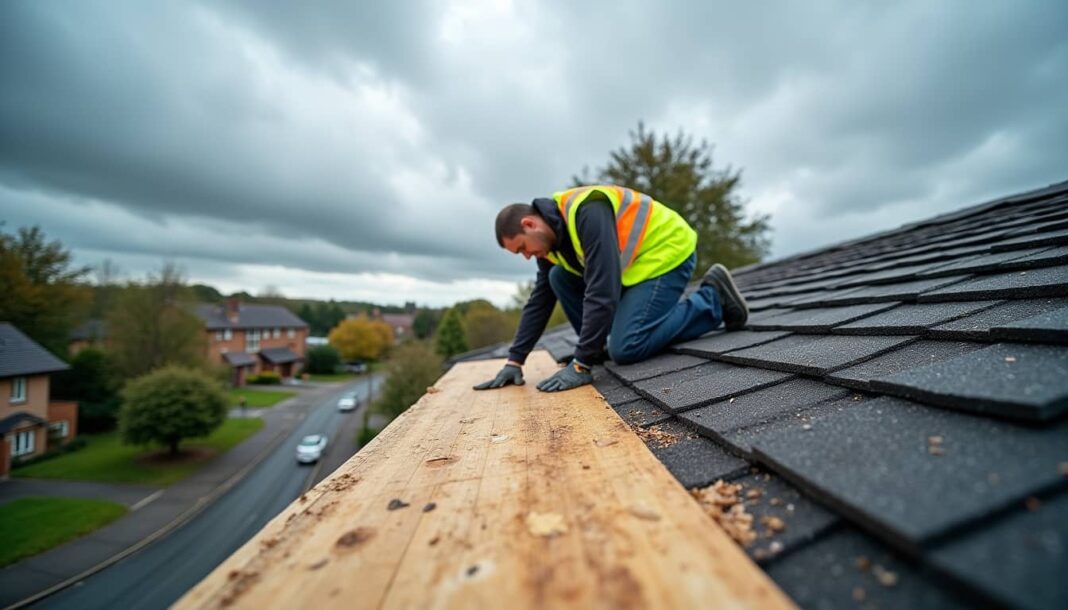

Most people never think about the roof until something goes wrong. Then they face a stream of unfamiliar words: underlayment, flashing, decking, ridge caps. A basic grasp of these terms makes every conversation with a roofer easier. This guide explains residential roofing services in Baton Rouge, LA from the ground up, for homeowners who have never needed one.
It covers how a roof is built, what services exist, what affects price and how to get ready for a job.
How a roof is built
A roof is a system of layers. Each layer does a job, and the system fails when any one layer fails. From the inside out, a typical shingle roof has the following parts:
- Rafters or trusses: the frame that gives the roof its shape.
- Decking: the boards or panels nailed to the frame.
- Underlayment: a water-resistant layer over the decking.
- Shingles: the visible layer that sheds water.
- Flashing: metal strips at joints, chimneys, vents and walls.
- Ridge caps and vents: the pieces at the peak that cover the top and let air out.
Gutters and downspouts sit at the edge and carry water away. They are not part of the roof itself, but they affect it, since clogged gutters can push water back under the shingles.
What each part does
Shingles do most of the visible work, but they are not waterproof on their own. They overlap like fish scales and send water down and off the roof. Underlayment adds a backup layer in case wind drives water under a shingle.
Flashing is the part owners overlook. It seals the places where the roof meets something else, such as a chimney or a wall. Many leaks begin at flashing, not in the middle of the shingles. Vents let heat and moisture escape from the attic, which helps the roof last.
Why Baton Rouge roofs work hard
South Louisiana has hot summers, heavy rain, high humidity and a risk of tropical storms. Each factor stresses a roof in a different way. Heat dries out and ages shingles. Humidity encourages algae and moss. Wind lifts edges and tears loose pieces. Heavy rain tests every seal and joint.
These stresses mean that regular checks matter. A roof that looks fine from the yard may have loose flashing or worn sealant. Many homeowners schedule an inspection after a major storm and before the next season.
Services a roofer can provide
Residential roofing covers several services. Knowing the names helps when asking for a quote.
- Inspection: a check of the roof for damage, wear and leaks.
- Repair: fixing a limited problem, such as lost shingles, damaged flashing or an active leak.
- Replacement: removing the old roofing and installing new materials.
- Installation: putting a roof on a new build or an addition.
- Storm and hail damage work: assessing and repairing weather damage.
- Emergency repairs: temporary protection or urgent fixes after sudden damage.
Where a local company fits in
Homeowners will find many roofing companies in the area. Spears Roofing and Repair Services is one that lists residential roofing on its site, including inspection, repair, replacement and installation for homeowners. It lists the services above, including repairs for missing shingles, damaged flashing and active leaks, as well as emergency repairs and storm and hail work.
The site names Baton Rouge, Gonzales, Denham Springs and Ascension among its service areas. It describes the company as licensed and insured. These are the company’s own statements, so homeowners should confirm them before hiring any contractor.
Repair or replacement: the basic rule
For residential roofing services in Baton Rouge, LA, the choice between repair and replacement usually comes down to extent and age. Repair suits damage in a limited area. Replacement suits a roof that is old, badly worn or leaking in several places.
A roofer weighs the age of the roof, its condition, how much area is affected, whether the underlayment or decking is damaged and whether earlier repairs have been made. A good roofer explains these points in plain words and shows photos if possible.
What affects the price
Roof prices vary widely, and a few factors do most of the work. Size comes first: a larger roof needs more material and time. Pitch matters, since steep roofs are harder and slower to work on. Material type is the next factor, because different shingles and systems cost different amounts.
Other factors include the number of layers to remove, the condition of the decking, the amount of flashing and the number of vents and chimneys. Access and weather add to the cost too. Many companies do not publish fixed prices, and an inspection is needed to give a fair number.
How the process usually goes
A typical job follows a simple order. The homeowner contacts the company about a concern. The company inspects accessible areas of the roof. The roofer reviews the findings and the options with the homeowner. The agreed work is then completed and reviewed.
The company above describes a process with these same four stages. Homeowners should still ask for the estimate in writing, with the scope, the materials, the schedule and the warranty. If the roof is old, ask for both repair and replacement numbers.
How to prepare for the work
A little preparation makes a roofing job smoother. These steps help:
- Move cars away from the house and garage.
- Take down wall hangings that could shake loose from vibration.
- Cover items in the attic or garage that dust could reach.
- Secure pets and warn neighbors about noise.
- Clear the area around the house so debris can be collected.
The crew will also need access to the roof and the yard. Ask the contractor what else is needed, and who to call if something comes up.
Insurance and storm damage
When storms cause damage, homeowners often involve their insurer. A roofing company can provide inspection findings, photos and an estimate that help in the claim. The company above says it offers this kind of documentation, and that the insurer decides coverage.
No contractor can promise approval. Homeowners should read their policy, report damage promptly and keep records. Photographs taken before and after the repair add useful proof.
Signs the roof needs attention
Several signs say it is time to call. These include missing, cracked or curling shingles, granules in the gutters, dents in vents, water stains on ceilings, damp insulation and light coming through the attic. Sagging areas are an urgent sign and need a professional look.
Do not climb a wet or damaged roof. Look from the ground with binoculars if needed, and let a roofer handle the rest.
Roofing terms in plain words
Roofers use a small set of words over and over. A short glossary helps owners follow an estimate.
- Square: a roofing measure equal to 100 square feet of roof area.
- Pitch: how steep the roof is.
- Tear-off: removing the old roofing before installing new material.
- Valley: the low line where two roof slopes meet and water runs down.
- Drip edge: metal trim along the roof edge that guides water into the gutter.
- Penetration: any pipe, vent or chimney that passes through the roof.
Estimates that use these terms should also explain them. If a line item is unclear, ask what it means and why it is needed. A good roofer welcomes the question and answers it in plain language.
Making a confident start
With the basics in hand, a homeowner can take part in the conversation instead of just listening. Knowing the layers, the services and the price factors makes any estimate easier to read.
For anyone starting with residential roofing services in Baton Rouge, LA, the first step is simple: get an inspection and ask questions. Spears Roofing and Repair Services is one local company to include in that comparison, and a short call describing the home and the concern is enough to begin.