

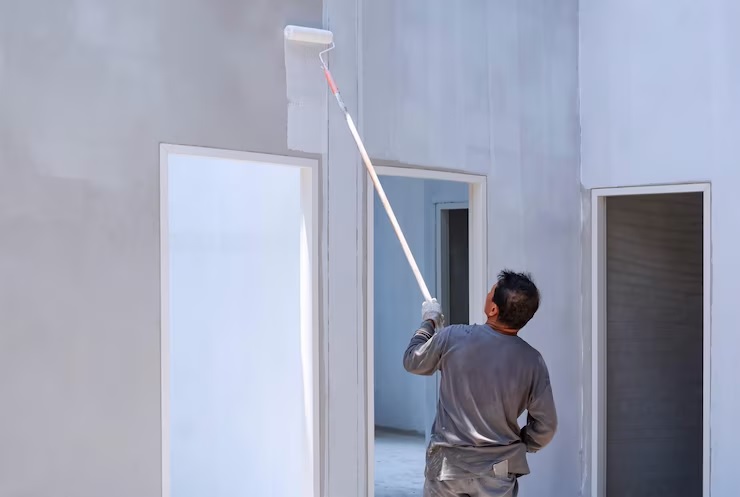

Repainting a commercial interior can improve appearance and protect frequently used surfaces. However, poorly scheduled work can interrupt employees, customers, and daily operations. Careful planning helps businesses maintain essential activities throughout the project.
Professional commercial interior painting services can support projects requiring coordinated access and phased completion. The process begins with understanding operational requirements rather than immediately selecting colours. Every planning decision should consider safety, accessibility, and business continuity.
Assess Your Business Before Scheduling Painting
Start by identifying areas requiring repainting and their current condition. Consider reception spaces, offices, meeting rooms, corridors, and customer areas. Each location may require different preparation methods and working arrangements.
Commercial interior painting projects should begin with a practical site assessment. Check for damaged coatings, moisture problems, stains, and deteriorating surfaces. Identify areas needing repairs before estimating the painting schedule.
Also consider which spaces experience constant movement or customer interaction. High-traffic areas may require additional protection and careful scheduling. Understanding these conditions helps establish realistic project priorities.
Choose Painting Hours Around Business Activities
Painting during normal operating hours may create unnecessary interruptions. Noise, restricted access, and drying surfaces can interfere with routine tasks. Businesses should identify quieter periods before confirming project dates.
Commercial interior painting can sometimes be scheduled during evenings, weekends, or planned closures. However, these arrangements depend on building access and contractor availability. Additional labour costs may also affect the project budget.
Discuss expected working hours with building managers and relevant employees. Confirm arrangements for security, lighting, ventilation, and after-hours access. Written schedules help everyone understand when particular areas become unavailable.
Divide the Project Into Manageable Sections
Painting an entire workplace simultaneously may be impractical. A phased approach allows essential operations to continue elsewhere. This method works particularly well in larger offices and commercial facilities.
Plan commercial interior painting around departments, customer movement, and operational priorities. Complete less frequently used spaces before tackling critical work areas. Temporary room changes may help maintain productivity during active painting.
Identify alternative routes when corridors or entrances require attention. Display clear notices explaining temporary restrictions and expected completion periods. Avoid reopening painted spaces before surfaces are suitable for normal use.
Select Suitable Paints and Finishes
Commercial interiors experience different levels of wear and cleaning. Product selection should reflect surface materials, occupancy, and maintenance requirements. Appearance alone should not determine the chosen paint system.
Commercial interior painting often involves washable finishes for frequently touched surfaces. Reception areas may benefit from durable coatings that tolerate routine cleaning. Meeting rooms and offices may require finishes that minimise visible imperfections.
Consider low-VOC products where appropriate for occupied environments. However, low-VOC paint does not eliminate ventilation or exposure considerations. Follow manufacturer guidance concerning application, drying, and safe reoccupation.
Prepare Surfaces Without Creating Unnecessary Disruption
Proper preparation is essential for consistent coverage and lasting adhesion. Commercial walls may contain scuff marks, adhesive residue, cracks, or damaged plaster. These issues require attention before applying new coatings.
Commercial interior painting preparation may involve cleaning, filling, sanding, and priming. Some activities create dust or temporarily restrict nearby access. Schedule disruptive preparation tasks outside busy operational periods whenever practical.
Protect equipment, furniture, flooring, and sensitive materials before work begins. Move valuable electronics away from preparation areas where possible. Confirm cleaning responsibilities before contractors start working.
Maintain Safety and Indoor Air Quality
Painting work introduces temporary hazards within occupied commercial buildings. Equipment, wet surfaces, and restricted walkways require careful management. Safety arrangements should reflect actual site conditions.
Commercial interior painting should include appropriate ventilation and controlled work zones. Keep employees and visitors away from active preparation areas. Follow product safety instructions and applicable workplace requirements.
Ensure emergency exits and essential access routes remain available. Communicate temporary changes before employees arrive for their shifts. Coordinate additional precautions with building management where necessary.
Establish Clear Communication Throughout the Project
Communication helps prevent small scheduling issues from becoming operational problems. Assign one business representative to coordinate decisions with the painting team. This person should understand project priorities and workplace restrictions.
Arrange regular updates covering completed sections, upcoming activities, and unexpected repairs. Document changes affecting costs, materials, or completion dates. Employees should receive timely notice before their workspaces become inaccessible.
Inspect Completed Areas Before Reopening
A completed paint application still requires inspection and appropriate drying time. Check coverage, edges, surface consistency, and previously identified repairs. Record visible defects before approving the finished work.
Confirm that protective materials, equipment, and waste have been removed. Ensure furniture and essential fixtures are safely restored. Follow recommended curing guidance before intensive cleaning or heavy contact.
Final Thoughts
Successful commercial painting depends on preparation, scheduling, and clear responsibilities. Businesses should prioritise safety and continuity alongside the finished appearance. Phased work and suitable materials help reduce avoidable interruptions.
When considering commercial interior painting services, request a plan reflecting your operating requirements. Clear expectations make coordinating staff, contractors, and building access easier. The result is a more controlled project with fewer operational surprises.

