


Most brides start looking at bridal hair and makeup London options with a few half-true ideas picked up from friends, forums and social media. Some of those ideas are harmless. Others lead to a rushed booking, a look that clashes with the dress, or a stressful morning. This article sorts seven common beliefs into myth and fact, so you can plan with clear expectations.
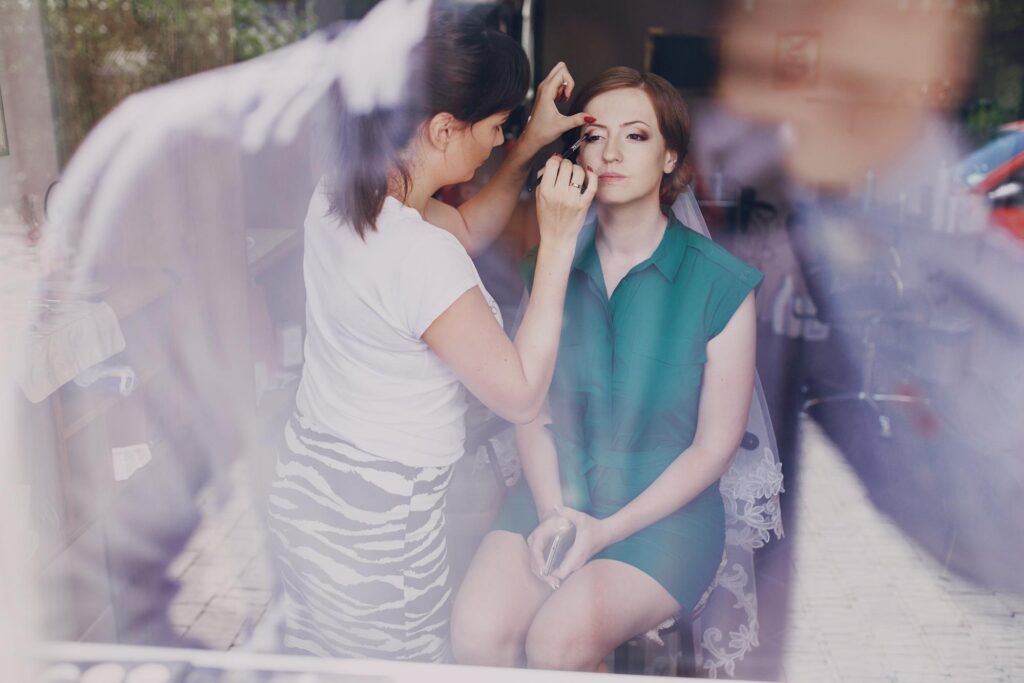
Myth 1: A trial is optional if the artist has great photos
Fact: Photos show skill. A trial shows fit. A trial lets you test the look against your skin tone, your neckline and your hair type. It also shows how long a style holds when you move, hug people and dance.
Many artists offer trials, but not all include one in the base price. Ask before you book whether a trial is available and what it costs. Then arrive prepared. Bring these items:
- A photo of your dress, or a fabric swatch
- Your veil, tiara or hair accessories
- Two or three reference photos of looks you like
- Photos of looks you dislike, which are just as useful
Take a photo of the finished look in daylight and with your phone flash on. Some sunscreens and powders look pale under flash, and the trial is the right moment to find out.
Myth 2: Heavier makeup lasts longer and looks better on camera
Fact: Thick layers crease and look flat in photos. Long wear comes from preparation. Skin prep, a suitable primer, thin layers of product and careful setting do more than extra coverage does.
Cameras also pick up texture. A heavy foundation can highlight dry patches and fine lines instead of hiding them. Most brides get a better result from a skin-like base with strong definition on the eyes or lips. Ask your artist how the look will change between a 10am start and a 10pm last dance.
Weather matters too. London weddings can be warm indoors and damp outdoors in the same afternoon. A good artist plans for both and tells you which touch-up items to carry in your bag.
Skin type matters here too. Dry skin, oily skin and sensitive skin all react differently to long wear products. Tell the artist about any allergies and any reactions to past products at least a week before the trial. Patch tests are easy to arrange when the date is not close.
Myth 3: Hair and makeup must come from the same artist
Fact: There is no rule. Plenty of weddings use two specialists, one for hair and one for makeup. The real question is how the morning runs. Hair often takes longer than makeup, and one person cannot do both for the same bride at the same moment.
Here is a simple comparison. It is a general guide, not a price list, so check each detail with the people you are considering.
| Question | One artist for both | Separate hair and makeup artists |
| Morning timeline | Services run one after the other, so the start is earlier | Both services can run at the same time, so the start is later |
| Coordination | One person, one set of messages | Two bookings, two sets of details |
| Consistency of look | One person sees the whole picture | You need to share the same reference photos with both |
| Backup if someone is ill | One absence affects everything | Only one service is affected |
If your wedding party is large, separate artists can save real time. For a small party, one artist can be simpler.
Myth 4: Every bridal hair and makeup London artist can start at dawn
Fact: Start times differ. Some artists keep strict hours, some travel from outside the city, and some limit how many early bookings they take in a weekend. Confirm the start time in writing, and work backwards from the moment you need to be ready for photos.
Here is a simple way to build the timeline. Take the time you leave for the ceremony and subtract the travel time. Then subtract the time for getting into the dress. Then subtract the time for hair and makeup, and finally add a buffer of at least thirty minutes. That final number is the earliest the artist must arrive.
Here is a hypothetical example, not a real booking. The ceremony starts at 2pm, and the car leaves at 1.15pm. Getting into the dress takes 20 minutes, so hair and makeup must finish by about 12.55pm. The services take two and a half hours in total, so they start at 10.25am. Add the 30-minute buffer, and the artist should arrive at 9.55am. Photos of the bride and her family before the ceremony would move every one of those times earlier.
Contact hours are a useful signal too. A wedding-eve question about a veil or a schedule change is easier to settle when the artist replies quickly. For example, one London freelance artist’s website lists enquiry hours of 7am to 10pm every day of the week. Check any artist’s stated hours, and ask how fast they usually reply during the week of the wedding.
Myth 5: The bridal party can sort itself out on the day
Fact: The bride is usually the first booking, but the mother of the bride, bridesmaids and flower girls often need time as well. Decide who needs a service before you confirm the schedule. Each extra person adds time, and last-minute additions can push the bride’s own appointment later.
Send your artist a short list with three details for each person: name, service and a preferred time slot. Ask whether there is a minimum group size or a different price for the bridal party. Some artists add a travel charge, so ask about that too.
It also helps to split the bridal party into two groups. The first group needs a full look, such as the bride and her mother. The second group needs a lighter service, such as the bridesmaids. Artists often price and schedule these groups differently, so naming them in your first message avoids confusion later.
Myth 6: Any artist can work with any skin tone, hair type or tradition
Fact: Skills are specific. Foundation matching, colour choices and hairstyling techniques change with skin tone, hair texture and cultural tradition. Some weddings also include traditional elements, such as particular jewellery, head coverings or henna, that affect how hair and makeup are planned.
Ask to see a portfolio that includes people with a skin tone and hair type like yours. Then ask direct questions:
- Which foundation ranges do you carry for my skin tone?
- Have you styled my hair type for a long wedding day?
- Do you have experience with the traditional look I want?
- Can you work around a veil, a headpiece or a head covering?
An honest, specific answer is a good sign. A vague answer is a reason to keep looking.
Myth 7: The price tells you everything
Fact: Two quotes with the same total can cover very different things. Compare what each one includes before you compare the number.
- Check whether a trial session is included or charged separately.
- Confirm the travel fee, if any, and the location of the service.
- Ask about early-start charges for morning weddings.
- Find out how many people the quote covers.
- Ask whether the artist stays for touch-ups or leaves after the first service.
- Read the cancellation and deposit terms.
A lower price with several extras can cost more than a higher price that includes everything. Write the answers in one place so the quotes sit side by side.
How to use these facts in the next few months
Good planning for bridal hair and makeup London comes down to a short sequence. Start with your date and your venue, since both affect which artists are available. Shortlist two or three artists whose portfolios match your skin tone and style. Then book a trial for the one that feels like the best fit.
After the trial, confirm the details in writing: the date, the start time, the services, the number of people and the full price. Add the contact number for the wedding week to your phone, and share it with your maid of honour.
The aim is a calm morning where nobody is checking the clock. Brides who test the look early, confirm the timeline in writing and ask direct questions usually get exactly that.