

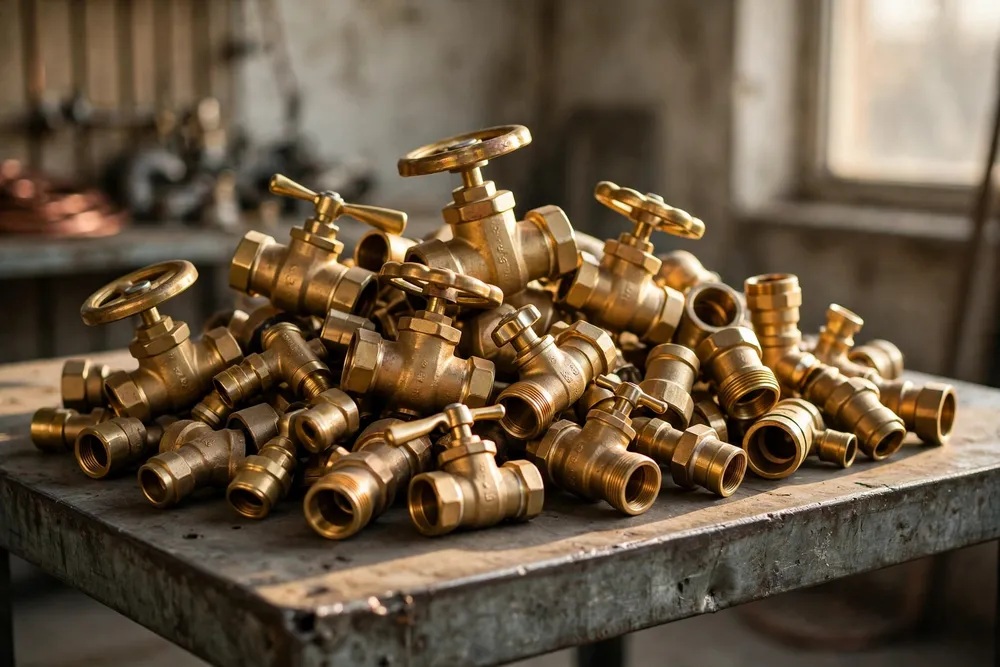

A bucket of old taps goes onto a scale, a number appears, and the seller drives away. What happens next is a long chain of sorting, testing and melting that most people never see. The chain explains why prices differ from one load to the next. This walk-through follows one load of brass through brass scrap recycling in melbourne, stage by stage, so a seller knows what each step is looking for and what can lower the result.
Stage 1: The load arrives and is weighed
Every load starts on a scale. The buyer weighs the vehicle in, empties it, then weighs it out again, or weighs the material directly. The difference is the weight of the metal.
This is the moment to watch. Ask to see the number. Write it down. A trustworthy buyer is happy for the seller to stand beside the scale and read it. The weight is the base figure for everything that follows, so a small error here repeats through the whole payment.
Stage 2: A first look and a magnet test
Next comes a quick visual check. Staff look for items that are not brass, and they use a magnet. Brass is not magnetic. Steel is. A tap with a steel stem, or a valve with a steel spring inside, will pull toward the magnet and flag itself.
Brass is an alloy, which means a mix of metals. It is made mainly from copper and zinc. Its warm yellow colour, its weight and the way it rings when dropped help an experienced buyer recognise it. Bronze, which is copper and tin, can look similar. So can chrome-plated or painted brass, which hides the colour.
Stage 3: Separating the grades
Brass scrap is not one product. Buyers sort it into groups, because each group is melted for a different purpose and sold at a different rate. Typical groups include:
- Clean heavy pieces, such as solid fittings and offcuts
- Taps and valves with attachments
- Plated or painted items
- Fine turnings and shavings from machining
- Mixed pieces with other metals attached
The cleaner and more uniform the group, the better the rate. A pile that is only solid brass fittings is simple to price. A pile of taps with rubber washers, steel spindles and chrome plating takes more handling, and the buyer allows for that in the price.
Some businesses use a handheld analyser to check the metal mix. It reads the composition in seconds without damaging the item. Others rely on experience and simple tests. Neither is wrong, but a seller can ask how the buyer identifies alloys.
Stage 4: Removing what does not belong
Attachments come off at this stage. Steel parts, rubber seals, plastic handles and bits of pipe are removed by hand or by tool. The brass that remains is cleaner and worth more per kilo.
This work costs time, so buyers account for it. A seller who strips the steel and rubber off first saves the buyer that labour, and the seller often receives a better rate. The extra effort is small. Pulling spindles from a bucket of taps can take only a few minutes.
One Melbourne business, Melbourne Scrap Copper, describes this stage on its brass scrap recycling page, where it lists pickup or drop-off across Melbourne, sorting and weighing, and payment after inspection. Those are the business’s own descriptions. A seller should confirm them by phone, along with how grades are decided for each load.
Stage 5: Baling, bagging and storage
Once the brass is sorted, it is stored by grade. Small pieces may go into bags or drums. Larger items may be stacked or baled. Keeping each grade separate protects its value until the load is big enough to ship.
This is also why small sellers sometimes face minimum quantities. A buyer needs enough material of one grade to fill a shipment efficiently. Ask about minimums before you drive across town with a small bucket.
Storage rules shape the service a seller sees. A yard that offers brass scrap recycling in melbourne has to keep plated items, clean fittings and turnings in separate bins, or the good brass is dragged down by the poor. Fine turnings are a good example. They are small, oily and easy to contaminate, so they are usually kept in sealed drums and sold as their own grade. Sellers of machining waste should ask whether turnings are priced separately and whether the oil is taken into account.
Safety matters here too. Brass dust and fine swarf can irritate skin and lungs, and sharp offcuts cut hands. Gloves and a dust mask are cheap protection when you sort a large pile at home.
Stage 6: Shipping to the foundry or smelter
When enough brass is ready, it travels to a foundry or smelter. Buyers who run their own furnace may process it themselves. Many sell on to larger facilities, and their price reflects what the next buyer will pay.
At this point the market takes over. Brass is made of copper and zinc, and both metals trade on world markets. When their prices rise, scrap prices tend to follow. When they fall, the offer falls too. This is why a quote can change between one week and the next, even for the same load.
Stage 7: Melting and casting
At the foundry the brass is melted in a furnace. Operators measure the mix and adjust it, adding copper or zinc if needed to reach a target alloy. Impurities rise to the top as a layer called dross and are skimmed off.
The molten metal is then cast. It may be poured into ingots, which are simple blocks, or into billets, which are longer shapes ready for rolling or extruding. These shapes go to manufacturers who turn them into new products.
Stage 8: Back into everyday items
Recycled brass goes into the same sort of items it came from. Common uses include plumbing fittings, taps, valves, door hardware, electrical connectors and musical instruments. Brass can be recycled many times, because melting does not wear out the alloy.
That loop is the reason brass is worth collecting. The metal has value each time it returns, and the seller captures a share of that value at the start of the chain.
Questions to ask at the counter
A seller who understands the chain can ask sharper questions. Try these:
- How do you identify and grade brass?
- Do you pay different rates for different groups?
- Is the price set at weighing, or does it change later?
- What is the minimum load you accept?
- How and when is payment made?
Clear answers show a business that knows its process. Vague answers are a reason to compare with another buyer.
The short version
Brass travels a path from scale to magnet to grading, then to the foundry and back into the shops as new fittings. A seller who sorts the load, removes attachments and keeps it dry can lift the value of a pile at no cost. When you compare brass scrap recycling in melbourne options, pick the business that explains its steps plainly, weighs in front of you and tells you how the price is set. The seller who knows the chain is the seller who gets the fairest result.