

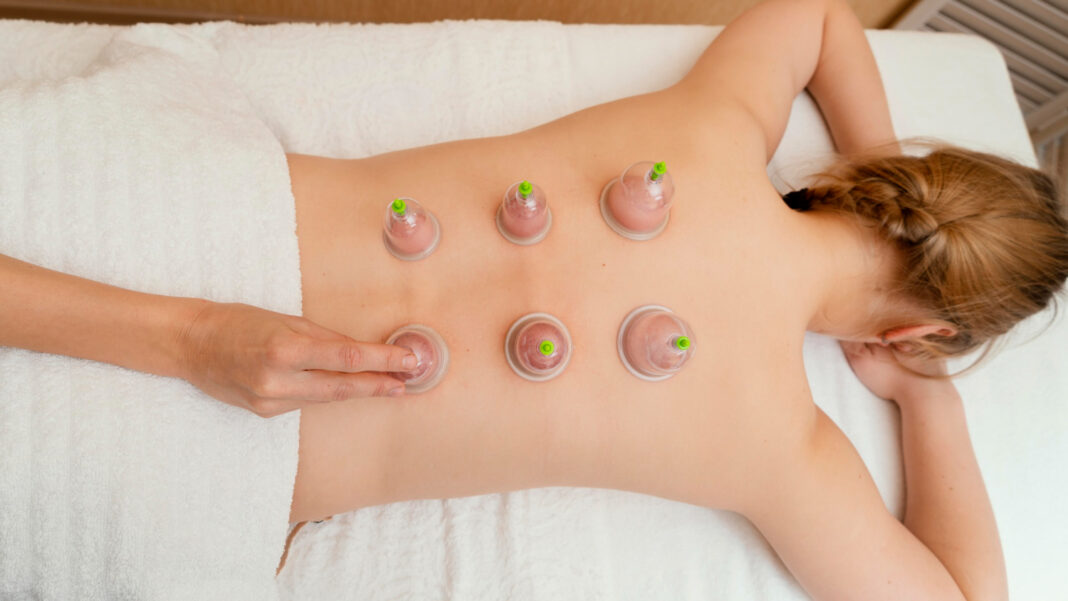

Circular marks are among the most recognisable features of cupping therapy. Their appearance often raises questions about bruising, circulation, and treatment effectiveness. Some people assume darker marks indicate greater benefits. However, skin colour changes cannot reliably measure treatment success.
Professional cupping therapy involves applying suction to selected areas of the skin. Understanding the procedure helps separate traditional beliefs from realistic expectations. It also supports safer decisions before your first appointment.
What Is Cupping Therapy?
Cupping is a traditional bodywork technique used across several cultures. Practitioners place specialised cups against the skin to create suction. This suction gently lifts the skin and underlying superficial tissues.
Traditional Chinese medicine associates cupping with concepts involving qi and circulation. Modern explanations focus on mechanical suction and local tissue responses. These perspectives should not be treated as scientifically equivalent. Expert cupping therapy in Eastleigh may be offered for relaxation or muscular discomfort. However, evidence for specific health benefits remains limited or uncertain. Treatment should never promise cures for medical conditions.
Why Does Cupping Leave Circular Marks?
Suction creates pressure differences between the cup and surrounding tissues. This can affect small blood vessels near the skin’s surface. Temporary discolouration may appear after the cups are removed.
Marks can range from light pink to dark purple. Their appearance depends on suction strength, duration, and individual skin responses. Some people develop more noticeable marks than others.
Professional cupping therapy should not interpret darker marks as proof of toxin removal. There is no reliable basis for that explanation. The marks primarily reflect local responses to suction.
Are Cupping Marks the Same as Bruises?
Cupping marks can resemble ordinary bruises. Both may involve changes affecting small blood vessels beneath the skin. However, their appearance and underlying circumstances can differ.
Some marks result from superficial vessel damage caused by suction. They may remain visible for several days or longer. Healing time varies according to individual skin characteristics.
Painful swelling, blistering, or worsening discolouration deserves medical attention. Professional cupping therapy should avoid excessive suction that increases unnecessary injury risks.
What Happens During a Cupping Session?
Initial Consultation
A practitioner should discuss your health history and treatment goals. They may ask about medications, skin conditions, and previous reactions. This helps identify circumstances requiring caution.
You should also discuss sensitive areas and treatment preferences. Clear explanations support informed consent before suction begins.
Cup Placement and Suction
Cups are commonly positioned across appropriate muscular areas. Suction may be created using mechanical pumps or other methods. Fire cupping requires additional precautions because burns can occur.
The skin may feel tight or gently pulled. Strong pain should not be considered a normal treatment requirement. Expert cupping therapy should prioritise manageable sensations.
Cup Removal and Skin Assessment
The practitioner releases suction before removing each cup. Temporary circular marks may become visible immediately afterwards. The skin should be checked for unusual reactions.
You should receive guidance about expected changes and warning signs. Treatment records may also document any unexpected responses.
Different Types of Cupping Explained
Dry Cupping
Dry cupping uses suction without intentionally breaking the skin. Cups may remain stationary for a selected period. This is a commonly recognised form of treatment.
Moving Cupping
Moving cupping involves sliding cups across lubricated skin. The practitioner adjusts suction to allow controlled movement. Friction and pressure should remain comfortable.
Wet Cupping
Wet cupping involves controlled skin punctures and blood removal. It carries additional infection and bleeding risks. This procedure requires specific training, infection control, and appropriate clinical safeguards.
Professional cupping therapy should clearly explain which method is proposed. Never assume every cupping technique has identical risks.
Does Cupping Therapy Actually Work?
Some individuals report temporary relaxation or reduced muscular discomfort after cupping. However, personal experiences cannot establish effectiveness for every condition. Research findings remain mixed across different applications.
Cupping should not be presented as a proven detoxification method. Darker marks do not indicate greater toxin removal. The body already manages waste through established physiological processes.
Professional cupping therapy is best approached with realistic expectations. It may complement appropriate care but should not replace necessary medical treatment.
Who Should Avoid Cupping?
Certain medical circumstances increase the risks associated with suction. These include bleeding disorders, fragile skin, and some vascular conditions. Blood-thinning medication also requires particular caution.
Avoid treatment over infected, damaged, or significantly inflamed skin. Pregnancy and serious medical conditions may require additional assessment. Seek medical advice when suitability remains uncertain.
Caring for Your Skin Afterwards
Mild tenderness and temporary discolouration may follow treatment. Avoid unnecessary friction over sensitive areas. Keep the skin clean and monitor any unexpected changes.
Do not deliberately scrub or irritate visible marks. Blistering, spreading redness, or increasing pain requires medical advice. Skin recovery should occur without additional injury.
Understanding Cupping Before Making a Decision
Considering Expert Cupping Therapy in Eastleigh involves understanding both traditional practice and modern safety considerations. Professional cupping therapy should include informed consent, suitable techniques, and realistic explanations. Circular marks are not reliable indicators of treatment effectiveness.
The most important outcome is appropriate care, not dramatic skin discolouration. Understanding the process helps you recognise responsible treatment practices. A cautious, informed approach supports safer decisions about cupping.

