

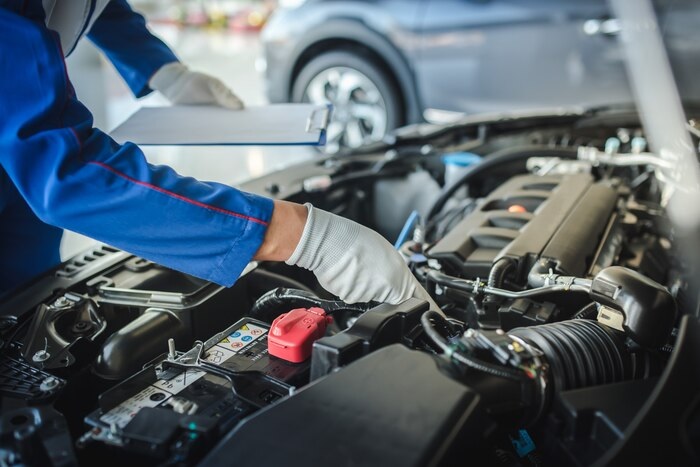

Mechanical problems often develop gradually before a vehicle breaks down. Small changes in sound, handling, or performance can appear first.
Mechanical repairs are easier to manage when problems are identified early. Delayed attention can increase damage and repair costs.
Knowing common symptoms helps you respond before minor faults become major failures. Here are twelve mechanical problems drivers should understand.
1. Worn Brake Components
Brake pads and discs wear through normal driving. Heavy traffic and frequent stopping can increase that wear.
Squealing may indicate worn brake pads. Grinding can suggest more serious contact between damaged components.
Reduced braking performance also needs prompt attention. Brake-related mechanical repairs should never be delayed unnecessarily.
2. Suspension Wear
Suspension components help control ride comfort, stability, and tire contact. Bushings, shocks, and joints can gradually wear.
You may notice clunking over bumps or excessive bouncing. The vehicle may also feel unstable during turns.
Uneven tire wear can provide another warning. Suspension problems should be inspected before they affect other components.
3. Steering Problems
Steering systems rely on several mechanical and hydraulic or electronic components. Wear can affect steering accuracy.
You may notice stiffness, looseness, vibration, or pulling. Unusual noises while turning also deserve attention.
Steering changes can affect vehicle control. Diagnosis should identify whether the issue involves joints, racks, or related components.
4. Engine Overheating
Overheating can develop from coolant loss, thermostat problems, fan failure, or water pump faults.
A rising temperature gauge is an important warning. Steam or coolant smells can also appear.
Continuing to drive an overheating engine can cause severe damage. Stop safely and arrange inspection.
5. Water Pump Failure
The water pump circulates coolant through the engine. A failing pump can reduce cooling system performance.
Warning signs may include coolant leaks or overheating. Some pumps also create grinding or whining noises.
Water pump failure should be repaired quickly. Continued overheating can damage expensive engine components.
6. Drive Belt Problems
Drive belts operate important engine accessories. These may include the alternator, water pump, or air conditioning system.
Cracks, fraying, or squealing can indicate belt wear. A damaged belt may eventually break without much warning.
Regular inspection helps identify deterioration early. Preventive replacement can reduce sudden roadside failures.
7. Wheel Bearing Wear
Wheel bearings allow wheels to rotate smoothly while supporting vehicle weight. They can wear with age and mileage.
A failing bearing may produce humming or grinding sounds. The noise can change as the vehicle turns.
Ignoring bearing wear can affect wheel stability. It may also increase stress on nearby components.
8. Engine Mount Problems
Engine mounts secure the engine and reduce vibration. Rubber sections can deteriorate over time.
Excessive vibration may become noticeable at idle. You may also feel movement during acceleration or gear changes.
Damaged mounts can place additional stress on hoses and other components. Inspection confirms whether replacement is necessary.
9. Transmission Problems
Transmission problems can affect shifting, acceleration, and drivability. Symptoms vary between manual and automatic systems.
Watch for slipping, delayed engagement, jerking, or unusual noises. Fluid leaks may also indicate a developing problem.
Mechanical repairs involving transmissions can become expensive. Early diagnosis can help limit further damage.
10. Clutch Wear
Manual vehicles rely on the clutch to transfer engine power. Friction materials naturally wear with use.
A worn clutch may slip during acceleration. Engine speed can rise without matching vehicle speed.
You may also notice difficulty changing gears. Clutch problems should be inspected before complete failure occurs.
11. Exhaust System Damage
The exhaust system carries gases away from the engine. Corrosion, impact, and age can create damage.
A louder exhaust note can indicate leakage. Rattling may suggest loose brackets or internal components.
Leaks can also allow fumes into unwanted areas. Damaged exhaust parts should be inspected and repaired correctly.
12. Spark Plug or Ignition Problems
Spark plugs help ignite the fuel mixture inside petrol engines. Ignition components can also fail with age.
Misfires may cause rough idling or poor acceleration. Fuel consumption can increase when combustion becomes less efficient.
Some ignition faults trigger a warning light. Testing helps identify the failed component before parts are replaced.
Warning Signs That Need Mechanical Repairs
Certain symptoms should never be ignored. Grinding, severe vibration, overheating, or sudden steering changes need fast attention.
Fluid leaks also deserve investigation. Oil, coolant, transmission fluid, and brake fluid each indicate different possible faults.
New noises can provide useful clues. Clicking, knocking, humming, and squealing often indicate developing mechanical wear.
What Affects Mechanical Repair Costs?
Mechanical repair costs depend on the failed component and vehicle design. Labor time also has a major impact.
Some parts are easy to access. Others require significant disassembly before replacement can begin.
Damage caused by delayed repairs can raise costs further. Fixing a worn component early may prevent additional failures.
Can Mechanical Problems Be Prevented?
Not every failure can be avoided. However, regular maintenance can reduce unnecessary wear and unexpected breakdowns.
Follow the recommended service schedule. Monitor fluids, tires, belts, brakes, and warning lights.
Pay attention to small changes in vehicle behavior. Early symptoms often appear before complete component failure.
When Should You Book an Inspection?
Book an inspection when you notice persistent noises, leaks, vibration, or handling changes. Do not wait for complete failure.
Describe exactly when the problem occurs. Mention whether it appears during braking, turning, accelerating, or idling.
Clear symptom details can support faster diagnosis. They also reduce unnecessary mechanical repairs based on guesswork.
Final Thoughts
Mechanical repairs are most effective when the actual fault is identified early. Replacing parts without diagnosis can waste time and money.
Listen for changes in sound, performance, and handling. Small symptoms can reveal larger problems before serious damage develops.
Regular inspections and timely repairs support safer, more reliable vehicle operation.