

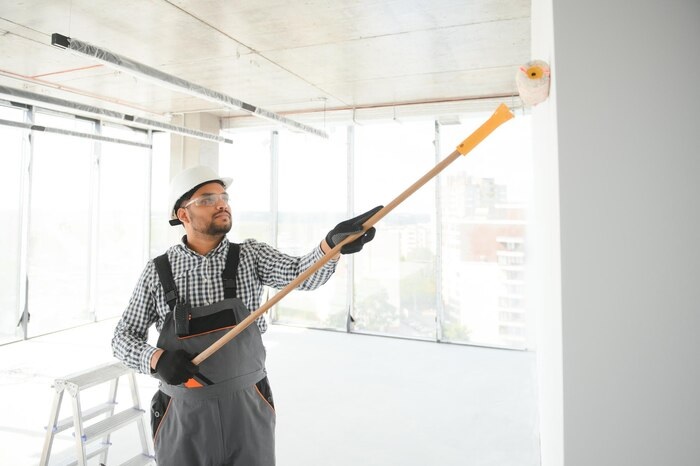

Commercial interiors need more than a fresh coat of paint. Cost depends on size, condition, access, and coating requirements.
Businesses comparing commercial interior painting services should review the full project scope first. A simple office repaint differs from a busy retail refurbishment. Preparation, scheduling, repairs, and finish requirements can change the final price.
What Affects Commercial Interior Painting Costs?
Commercial interior painting costs depend on several practical factors. Floor area matters, but it is not the only consideration. Wall height, room layout, and surface condition also affect labour.
Commercial interior painting may require detailed preparation before any coating begins. Cracks, holes, stains, and damaged plaster need attention. Existing finishes may also require sanding or priming.
The chosen paint system can change material costs. High-traffic areas may need more durable coatings. Washable finishes can also suit offices and customer-facing spaces.
Office Painting Costs
Office projects often include workspaces, meeting rooms, reception areas, corridors, and staff areas. Each space can have different preparation and coating needs.
Commercial interior painting in offices is simpler when rooms are empty. Occupied offices need planning around desks, equipment, and staff movement. This can increase labour time.
Colour changes also influence cost. A major colour change may require additional coats. Dark surfaces can need extra preparation before lighter colours.
Retail Interior Painting Costs
Retail spaces often require strong finishes and careful scheduling. Shops may need work completed outside trading hours. Evening or weekend access can affect labour arrangements.
Commercial interior painting for retail spaces must consider customer-facing surfaces. Walls, fitting rooms, counters, and display areas may need different finishes. High-contact areas often need coatings that clean easily.
Brand colours can also require careful matching. Some colours need multiple coats for even coverage.
Workspace and Shared Area Costs
Shared workspaces and common areas can experience heavy daily use. Their walls may show marks, scuffs, or previous repairs. Surface preparation becomes especially important in these spaces.
Commercial interior painting may include walls, ceilings, doors, trims, and feature areas. Painting every surface increases the total scope. A selective repaint can reduce costs when some finishes remain suitable.
Access also matters. High ceilings or difficult stair areas may require extra equipment.
Why Surface Preparation Changes the Price
Preparation affects both cost and finish quality. Painting over damaged surfaces can make defects more visible. It can also reduce coating performance.
Commercial interior painting usually begins with cleaning and inspection. Painters may fill holes, repair cracks, sand rough areas, and apply primer. Stained or glossy surfaces may need additional treatment.
Skipping these steps can lower the initial quote. However, the finished result may not last as well.
Paint Quality and Finish Selection
Not every commercial space needs the same paint. Low-traffic rooms may suit standard interior coatings. Busy corridors and public areas may need tougher finishes.
Commercial interior painting often uses washable products in high-use areas. The selected sheen can also influence appearance and cleaning. Matte finishes hide some imperfections, while glossier finishes show more surface detail.
Premium materials can increase upfront costs. However, durable coatings may reduce repainting frequency.
Working Around Business Hours
Scheduling can have a major effect on commercial painting projects. Some businesses can close rooms during normal hours. Others need painters to work around customers and employees.
Commercial interior painting outside normal hours may involve different labour arrangements. Staged work can also extend the project timeline.
Discuss access before requesting a final quote. Provide opening hours, restricted areas, and preferred work periods.
What Should a Commercial Painting Quote Include?
A detailed quote should define every painted area. It should describe preparation, materials, coats, access, and cleanup.
Ask whether furniture movement is included. Confirm whether repairs and priming are covered. Check whether ceilings, doors, trims, and feature walls are priced separately.
Professional commercial interior painting services should provide clear exclusions as well. This prevents disagreements after work starts.
How to Control Your Painting Budget
Start with areas that most need attention. Reception spaces, customer areas, and damaged walls may deserve priority. Less visible rooms can sometimes wait.
Choose colours before work begins. Late changes can increase material and labour requirements. Keep the project scope consistent when comparing quotes.
Commercial interior painting becomes easier to budget when requirements are clearly defined. A precise brief helps painters price the same work accurately.
Final Thoughts
Commercial painting costs depend on more than floor area. Preparation, access, coatings, working hours, and surface condition all matter. Clear planning makes the final price easier to control.
Compare quotes based on scope rather than price alone. Review preparation, materials, scheduling, and included surfaces. This approach supports a practical and durable interior painting project.