

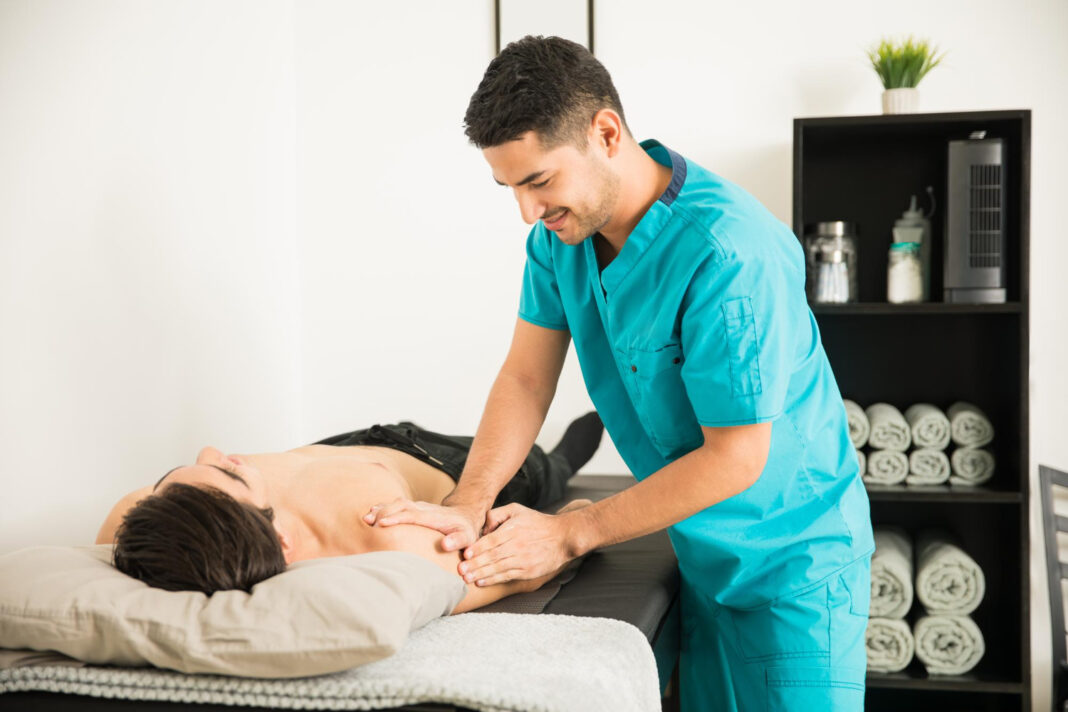

Chinese medical massage is a treatment style rooted in Traditional Chinese Medicine. It draws on techniques such as kneading, pressing, and rolling along the body’s meridian lines and acupoints. This is different from only working the surface muscles. Trying to decide between Chinese medical massage in Dublin and a more familiar Western-style massage? Here is how the two approaches actually differ.
Comparing Chinese Medical Massage and Deep Tissue Massage
| Feature | Chinese Medical Massage | Deep Tissue Massage |
|---|---|---|
| Foundation | Traditional Chinese Medicine, working meridians and acupoints | Western anatomy, working muscle layers and fascia |
| Main techniques | Kneading, pressing, rolling, stretching | Slow, firm strokes into deeper muscle tissue |
| Typical goal | Support overall balance and energy flow, alongside pain relief | Release chronic tension in specific muscle groups |
| Diagnosis step | Often includes pulse and tongue diagnosis | Based on stated problem areas, not TCM diagnosis |
Neither approach is inherently better. Chinese medical massage suits people interested in a whole-body, TCM-based approach. Dr Acu Herbs also offers acupressure. It works with the same meridian system, but uses more targeted pressure rather than broader massage strokes.
What the Session Typically Involves
A Chinese medical massage session usually starts the same way as other TCM treatments at the clinic. The therapist reviews your health history and asks what you want to address. This often includes pulse and tongue diagnosis, a traditional method used to guide where the therapist focuses.
From there, the therapist works through the relevant areas using traditional massage techniques. Pressure is adjusted based on what your body needs, and which areas feel tight or tender. Sessions typically run for a set period, similar to other massage-based treatments at the clinic. You can discuss timing and session length when you book.
What Chinese Medical Massage May Help With
People commonly seek this treatment for general muscular tension, stress, and poor circulation. It also suits everyday aches from daily routines, such as sitting at a desk or standing for long shifts. Because the approach also considers overall balance, some clients choose it for general wellness rather than one specific complaint. Others book it specifically to unwind after a long, demanding work week. They treat the session as much as a mental reset as a physical, targeted fix.
How It Relates to Tui Na
Chinese medical massage sits within the same broader tradition as Tui Na, a well-known form of therapeutic Chinese massage. Tui Na also combines acupressure and massage techniques along the same meridian framework. The exact technique mix can vary between therapists and clinics. It is worth asking your therapist directly what a session will involve if you want specifics before booking.
Who Might Prefer Deep Tissue Massage Instead
Is your main goal releasing tightness in one specific muscle group, such as the shoulders after a stressful week? A deep tissue massage may be the more direct option. Are you more interested in a broader, TCM-informed approach that also considers your overall balance? Chinese medical massage is worth trying first.
What to Expect on Your First Visit
If this is your first time trying Chinese medical massage, mention that during booking. The therapist can explain the approach in more detail and adjust the session to suit a first-time client. There is no need to have any prior TCM experience before your appointment. Most clients find the technique easy to follow once the therapist explains what each step involves.
Frequently Asked Questions
Does Chinese medical massage hurt?
It should not be painful. You may feel firm pressure over tight areas, similar to other massage styles. Tell your therapist if anything feels like too much, and they will ease off right away.
How is it different from a Swedish or relaxation massage?
A relaxation massage focuses on general stress relief using lighter, gliding strokes. Chinese medical massage is more purposeful. It targets specific points and meridians linked to particular functions in the body. It does not simply work every muscle group the same way.
Can I combine it with other TCM treatments?
Yes. Many clients pair Chinese medical massage with acupressure, cupping, or herbal medicine as part of a broader treatment plan. Ask your therapist which combination suits your goals, since some pairings work better together than others.
How often should I book a session?
This depends on what you want from the treatment. General wellness might call for a session every few weeks. A specific issue, like ongoing tension, may need more frequent visits at first, tapering off as things improve.
Is pricing different from a regular massage?
Session pricing is listed on the clinic’s pricing page. Ask the clinic directly if you want a cost comparison between treatment types before booking.
Will the therapist use oils or work directly through clothing?
This varies by technique and by the areas being treated. Ask about this during booking or your consultation, so you know what to expect and can dress appropriately for your session. Comfortable, loose clothing is a safe default if you are unsure.
Is Chinese medical massage suitable for older adults?
Many older clients find the technique comfortable, since pressure is adjusted to suit each person and their needs. Mention your age and any health conditions during your consultation, so the therapist can plan the session appropriately.
Ready to try Chinese medical massage in Dublin? Book an appointment or get in touch to ask which style suits you best.