


Becoming a new mother brings joy, change, and many new demands. Days can feel busy from morning to night. Feeding, changing, resting, and caring for a baby can leave little time for yourself.
Self-care is important during this stage. It does not need to be complex. Small moments of rest can make a difference. New mama reflexology in Dublin can be one gentle option to add to a new mother’s self-care routine.
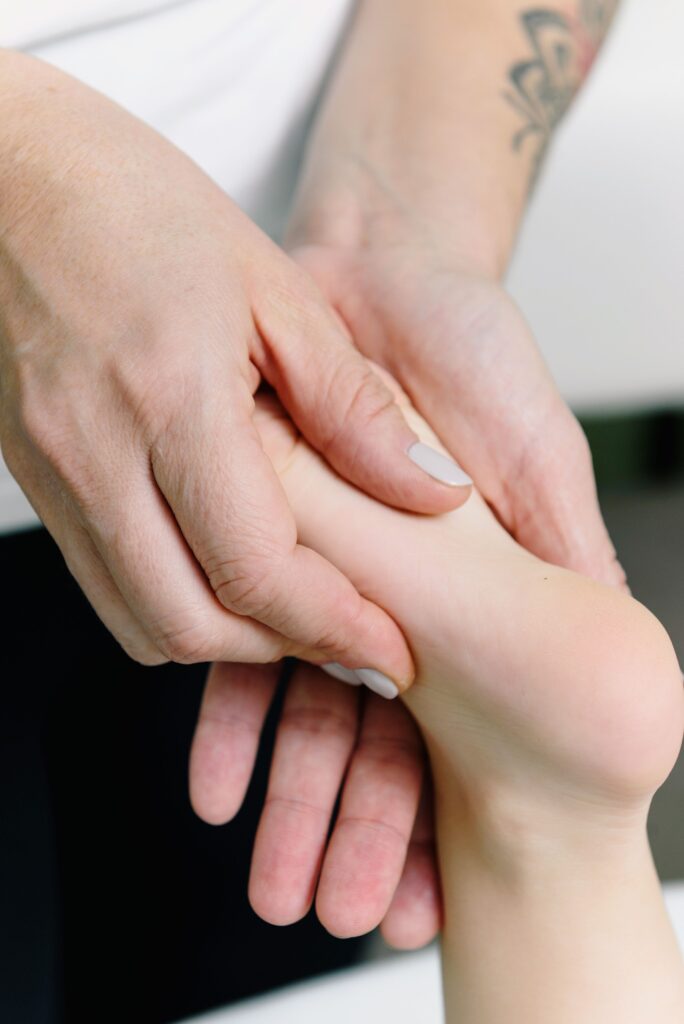
What Is Reflexology?
Reflexology is a complementary therapy that uses pressure on specific areas of the feet or hands. Practitioners believe these areas relate to different parts of the body. However, these claimed body connections have not been proven by strong scientific evidence.
A reflexology session is often calm and quiet. This can give a new mother time away from daily tasks.
The focus is not only on the feet. It is also about creating time to pause, breathe, and relax.
Why Self-Care Matters After Having a Baby
The postnatal period can be tiring. A new mother may have less sleep and more physical demands. She may also spend most of her time caring for her baby.
Postpartum discomfort can affect movement, sleep, and daily life. It can also make the move into motherhood harder.
This is why simple self-care can be helpful.
A self-care plan may include:
- Getting enough rest when possible
- Eating regular meals
- Drinking enough water
- Taking short breaks
- Accepting help from family
- Spending quiet time alone
- Gentle movement when suitable
- Booking a relaxing complementary therapy
Reflexology can fit into this plan as one small part.
Reflexology Can Create Time to Relax
New mothers often put their own needs last. A reflexology appointment can provide dedicated time for rest.
During a session, the mother can sit or lie in a comfortable position. The therapist works on the feet with controlled pressure.
The quiet setting may help her step away from household tasks for a while.
This does not replace sleep or medical care. Instead, it can support a wider approach to personal wellbeing.
It May Support Postpartum Comfort
Some research has explored foot reflexology during the postpartum period. A 2025 meta-analysis found positive effects on measures such as postpartum comfort and breastfeeding satisfaction. However, the evidence comes from a small number of studies.
Research published in 2026 also found that foot reflexology may help reduce pain and improve lactation measures after a C-section. More research is still needed to understand how much benefit comes from reflexology itself.
For this reason, reflexology should be viewed as a complementary therapy, not a replacement for proper postnatal care.
A Simple Way to Add Reflexology to Self-Care
Self-care does not need to mean a long routine. A new mother can start with small, realistic choices.
For example, she may plan one relaxing session when she has support with the baby. She could also pair her appointment with other healthy habits.
A simple routine could include:
Morning: Have breakfast and drink water.
During the day: Take a short rest when possible.
Evening: Spend a few quiet minutes without household tasks.
Weekly: Set aside time for a relaxing activity, such as reflexology.
The goal is not to create another task. The goal is to make personal care easier.
Reflexology and Breastfeeding Support
Breastfeeding can bring its own challenges. Mothers may experience breast fullness, tenderness, tiredness, or worry about feeding.
Some studies have explored reflexology and breastfeeding outcomes. A 2025 meta-analysis reported positive results for breastfeeding measures, breast discomfort, postpartum comfort, and breastfeeding satisfaction.
However, reflexology should not be presented as a treatment for breastfeeding problems. A lactation consultant, midwife, doctor, or other qualified professional can provide proper support when feeding concerns arise.
Can Reflexology Help With Sleep and Fatigue?
Sleep can be difficult for new mothers. Babies often wake during the night, which can leave mothers feeling tired.
Some studies have reported improvements in sleep quality and fatigue among postpartum women receiving foot reflexology. However, research is still limited, so these findings should be viewed with care.
Reflexology cannot replace sleep. Still, a calm session may give a mother valuable time to slow down.
That quiet time can be an important part of a wider relaxation routine.
Safety Comes First After Childbirth
Every new mother has a different recovery. Birth method, health history, stitches, C-section wounds, pain, and other factors can affect what is suitable.
It is wise to speak with a doctor, midwife, or other healthcare professional if there are concerns about recovery.
A reflexologist should also know that the client has recently given birth. This allows the session to be adapted to her needs.
Reflexology should not delay medical care. Severe pain, heavy bleeding, fever, breathing problems, chest pain, or other worrying symptoms need prompt medical attention.
Self-Care Should Be Personal
There is no single perfect self-care plan for every new mother.
One mother may enjoy reflexology. Another may prefer a short walk, a warm drink, reading, or quiet time with a partner.
The best plan is one that feels realistic.
Reflexology can be one gentle addition to that plan. It may offer time to relax while giving a new mother space to focus on herself.
In Conclusion: How Willow Wellness Can Support Your Self-Care Routine
The early months of motherhood can be full of change. Taking a little time for yourself can be an important part of this journey. Reflexology can complement other healthy self-care habits by creating a calm space to pause and relax.
At Willow Wellness, New mama reflexology in Dublin can be part of a thoughtful self-care routine for new mothers. It should complement, rather than replace, medical and postnatal care. The aim is simple: to help mothers make time for their own wellbeing while they care for their growing families.