


Many people feel tired and tense after work, exercise, travel, or a busy week. Daily routines can leave the muscles feeling tight and the body needing rest. A traditional wellness treatment can offer a calming way to slow down, relax, and enjoy some valuable time for yourself.
If you are new to Cupping Therapy in Reading, UK, you may have questions about what happens during a session and what the treatment feels like. You may also want to understand how the cups create suction, why round marks can appear on the skin, and how you should prepare before your visit. Learning these simple facts can help you feel more comfortable and confident before your first session. This guide covers the main things every beginner should know.
What Is Cupping?
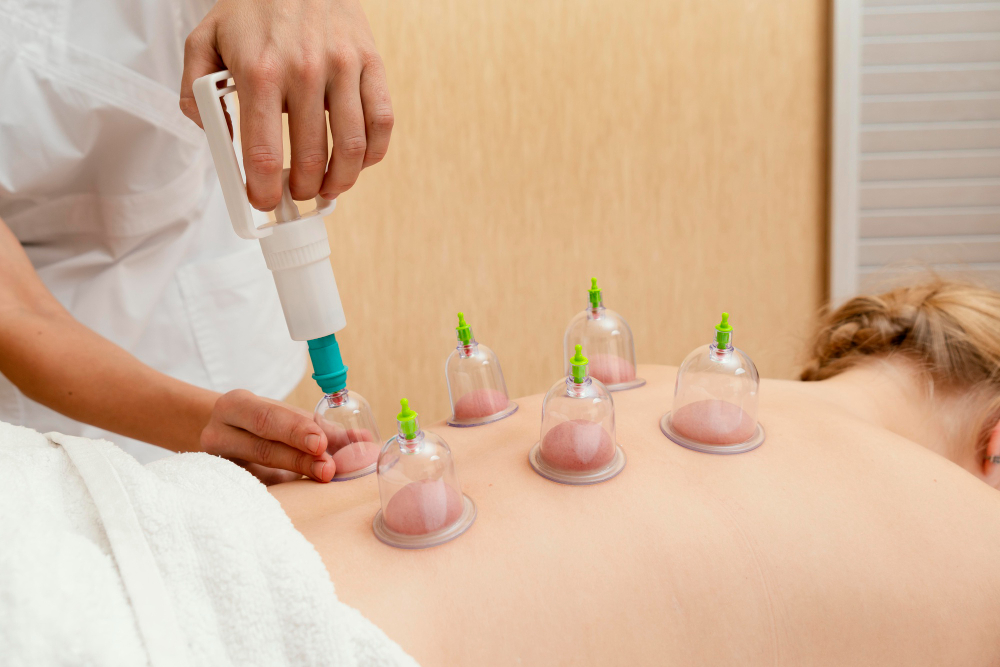
Cupping is a traditional practice that uses special cups placed on selected areas of the body. The therapist creates suction inside each cup. This gently pulls the skin upwards.
Cupping Therapy is often used as part of a relaxation and wellness routine. Cups are commonly placed on areas such as the back and shoulders. The treatment may appeal to people who feel tired after work, exercise, or everyday activities.
How Does Cupping Work?
The therapist places cups on suitable areas of the skin and creates a vacuum. This creates a pulling feeling under the cup.
The cups may stay in one place for a short time. The level of suction can vary. You should always tell your therapist if the pressure feels too strong or uncomfortable.
What Happens During a Cupping Session?
Knowing what to expect can make your first visit feel easier.
Before starting, the therapist may ask about your general health, skin, recent injuries, and any medicines you take. This information helps the therapist decide if the treatment is suitable for you.
You will normally lie or sit in a comfortable position. The therapist then places the cups on selected areas.
What Does Cupping Feel Like?
You will usually feel pulling or tightness as the suction starts. The feeling may seem unusual at first, but it should be manageable.
Cupping should not cause severe pain. Tell your therapist if you feel pain or strong discomfort so the pressure can be changed or the cup removed.
Why Does Cupping Leave Marks?
One of the most noticeable parts of cupping is the round marks that may appear afterwards.
These marks happen because suction affects the skin and small blood vessels near its surface. They may look pink, red, purple, or darker depending on the person and treatment.
The marks are usually temporary and fade over time. They are not proof that toxins have been removed from the body.
Why Do People Choose Cupping?
People choose Cupping Therapy for many personal reasons. Some enjoy the relaxing experience, while others add it to their regular wellness routine.
People may explore cupping when they:
- Feel tired after a busy week
- Have tight or tired muscles
- Spend long hours sitting at a desk
- Exercise regularly
- Want time to relax
- Want to try a traditional wellness practice
Everyone may have a different experience, so it is important to have realistic expectations.
Common Areas for Cupping
The back and shoulders are popular areas for cupping. These muscles can feel tired after sitting, driving, exercising, or doing physical work.
Cups may also be used on suitable parts of the legs or other areas depending on the treatment.
For people who live or work locally, choosing Cupping Therapy in Reading, UK can be a convenient way to explore this traditional practice close to home.
Is Cupping the Same as Massage?
Cupping and massage are different forms of bodywork.
Massage normally involves using the hands, fingers, or palms to work on the body. Techniques can include strokes, pressure, and kneading.
Cupping uses cups to create suction on the skin. Some people prefer massage, while others enjoy trying cupping. In suitable cases, the two techniques may form part of a wider wellness routine.
Who Should Be Careful With Cupping?
Cupping may not be suitable for everyone. Tell your therapist about health conditions, sensitive skin, medicines, recent injuries, or pregnancy before treatment.
Cups should not be placed over broken, infected, or badly irritated skin.
If you have a medical condition, bleeding problem, or take blood-thinning medicine, speak with a qualified healthcare professional before trying cupping.
How to Prepare for Your First Session
Preparing for your appointment is simple.
Wear Comfortable Clothing
Loose clothes can help you feel relaxed and make it easier for the therapist to access the treatment area.
Talk to Your Therapist
Tell your therapist about any health concerns before the session. Ask questions if there is anything you do not understand.
Follow Aftercare Advice
Your skin may feel sensitive after treatment. Avoid scratching or rubbing the cupping marks and follow the aftercare guidance given by your therapist.
Cupping Therapy affects people differently, so pay attention to how your skin and body feel after your session.
How to Choose a Cupping Therapist in Reading
Choose a therapist who listens to your needs and explains the process clearly. The treatment room and equipment should be clean and well maintained.
A good therapist should ask relevant health questions before starting. They should also check that the suction feels comfortable during your session.
These simple steps can help beginners feel more confident when trying cupping for the first time.
Conclusion
Cupping is a traditional wellness practice that uses special cups and suction on selected areas of the body. Knowing about the process, temporary marks, preparation, and aftercare can help you feel more comfortable before your first appointment.
If you are interested in Cupping Therapy in Reading, UK, Asian Rose Massage Reading provides a local option for people looking to add cupping to their relaxation and wellness routine. A professional session and clear communication with your therapist can help make your first experience comfortable and informed.