

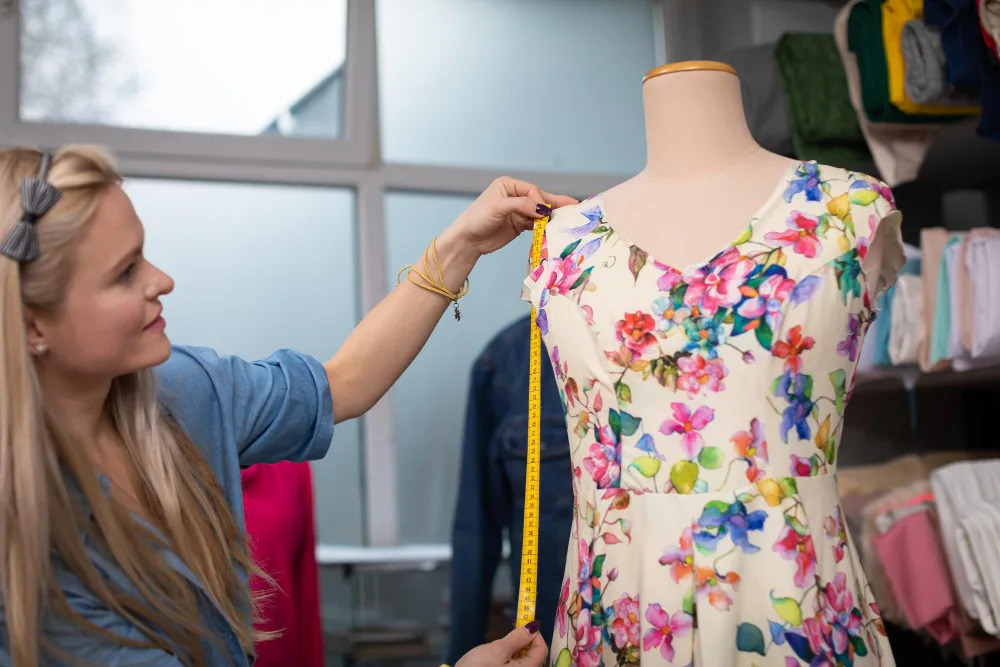

Women’s clothing often needs small adjustments to fit properly. Even expensive garments can feel wrong when proportions are slightly off. A careful alteration can improve comfort, shape, and movement without changing the original design.
If you are considering ladies’ clothing alterations in London, begin with the actual fit problem. A good alteration should solve that issue directly. It should not create new tension, imbalance, or unnecessary changes elsewhere.
Start With the Overall Fit
The whole garment should be assessed before any work begins. One problem can affect several areas at once. A loose waist may change the position of the hips. A tight bust can pull the neckline out of shape.
This is why fittings should consider balance, movement, and garment construction together. Isolated ladies’ clothing alterations can sometimes create new fit problems.
Dress Alterations
Dresses often need several detailed adjustments. Common areas include the bust, waist, hips, straps, and hem. Each section should work together for a balanced result.
A loose bodice may need shaping through the side seams. A wide waist can be reduced for better definition. Straps can be shortened to improve neckline placement.
Hem length also matters. The dress should suit the shoes you plan to wear. This is especially important for long dresses and occasion wear.
Trouser Alterations
Trousers should sit securely at the waist without feeling tight. They should also fall cleanly through the hips and legs.
Common trouser ladies’ clothing alterations include waist adjustments, shortening, and tapering. Some trousers may also need changes through the seat.
The fitting should include standing, sitting, and walking. Trousers can look correct while standing but feel restrictive during movement.
Skirt Alterations
Skirts can change shape quickly when the waist or length is adjusted. A loose waistband may cause the skirt to drop unevenly. Tight hips can create pulling and visible creases.
Ladies’ clothing alterations may include waist reduction, hip shaping, and hem adjustments. Pleats, vents, and linings should be checked before work begins.
The final result should maintain the skirt’s original balance.
Blouse and Shirt Alterations
Blouses and shirts often need subtle changes. Excess fabric around the waist can create a shapeless appearance. Long sleeves can also affect proportion.
Side seams may be adjusted for a neater fit. Darts can sometimes improve shaping through the body. Sleeves may be shortened when the construction allows it.
These ladies’ clothing alterations should still allow comfortable movement through the shoulders and arms.
Jacket and Blazer Alterations
Jackets rely heavily on structure. Small changes can make a visible difference to the overall silhouette.
Sleeve length, waist shaping, and body width can often be refined. These adjustments can make a jacket look more balanced and intentional.
Shoulder alterations are usually more complex. Internal structure, padding, and lining can limit what is practical.
A good assessment should explain these limits clearly.
Occasion Wear Alterations
Occasion wear often needs more precise fitting than everyday clothing. Small issues become easier to notice in fitted dresses or structured garments.
The bodice should feel secure without restricting breathing. The hem should work with the shoes you plan to wear.
Bring your intended undergarments to the fitting. They can change how the garment sits through the bust and waist.
Restyling Existing Clothes
Ladies clothing alterations London can also help refresh garments you already own. A long dress may work better at a shorter length. A loose blazer may benefit from more shape.
Older garments can sometimes be adjusted to suit current preferences. However, not every design should be heavily changed.
The original fabric, seams, and construction set practical limits.
What Cannot Always Be Altered?
Not every fit issue has a sensible solution. Some garments have very little seam allowance. Others include decorative panels, fixed pockets, or complex linings.
Major structural changes can affect the entire garment. This is especially true around shoulders, armholes, and heavily constructed bodices.
A responsible tailor should explain what is realistic before starting work.
What Should You Bring to a Fitting?
Bring the shoes you plan to wear with long dresses or trousers. Bring relevant undergarments for fitted or structured clothing.
Explain where the garment feels uncomfortable. Show where it pulls, gaps, slips, or feels too loose.
You should also move during the fitting. Sit down, walk, and raise your arms when appropriate.
This helps identify problems that are not obvious while standing still.
Choosing Ladies Clothing Alterations London
When choosing ladies clothing alterations, look for careful assessment and clear communication. The tailor should consider fabric, structure, balance, and intended use.
You should understand what will change before any work begins. You should also know which areas should remain untouched.
A successful alteration should feel natural once completed. The garment should sit better, move better, and remain true to its design.
Professional ladies’ clothing alterations in London can improve how your clothes fit without replacing them. Thoughtful adjustments can make garments more comfortable, balanced, and easier to wear.