

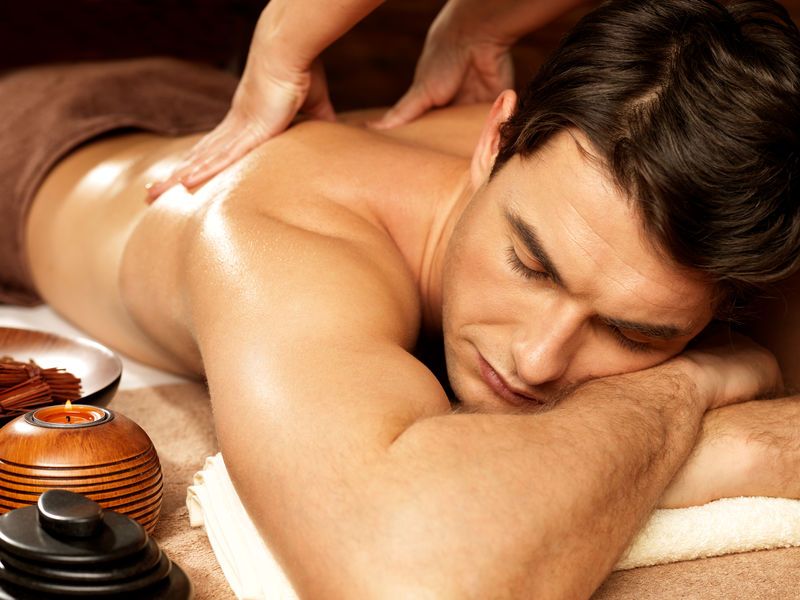

If you have sore muscles, a stiff back, or tight shoulders, you may be thinking about booking a deep tissue massage. But if it is your first time, you may not know what happens during the session. That is completely normal. Many people feel unsure before their first appointment.
The good news is that a professional deep tissue massage is simple, safe, and designed to help you feel better. Your massage therapist will guide you through every step and make sure you stay comfortable throughout the treatment.
At Wawa Massage Therapy, we believe that knowing what to expect helps you feel more relaxed before you arrive. In this guide, we will explain exactly what happens during a professional deep tissue massage session, how it works, and what you can do after your treatment to get the best results.
What Is a Deep Tissue Massage?
A deep tissue massage is a massage treatment that works on the deeper layers of muscles and connective tissue, also called fascia. Unlike a relaxing massage that focuses mainly on helping you unwind, deep tissue massage is designed to reduce muscle tension, release tight knots, and improve movement.
Over time, muscles can become tight because of everyday life. Sitting at a desk for long hours, lifting heavy objects, exercising, driving, or even feeling stressed can all cause muscles to become stiff. When muscles stay tight for too long, they can cause pain and make simple movements harder.
A deep tissue massage uses slow, firm movements to reach these deeper muscles. The pressure is carefully controlled so it helps the muscles relax without causing harm.
Many people choose deep tissue massage because it may help:
- Reduce long-term muscle pain
- Ease neck and shoulder tension
- Improve flexibility
- Support sports recovery
- Reduce lower back pain
- Improve posture
- Increase blood circulation
- Help muscles recover after physical activity
This treatment is popular with office workers, active people, athletes, and anyone dealing with ongoing muscle tightness.
Your Massage Starts with a Personal Consultation
Every professional massage begins with a conversation. This is one of the most important parts of your appointment because it helps your therapist understand your body and your needs.
Before your massage starts, your therapist will ask questions about your health and lifestyle. They may ask where you feel pain, how long you have had the problem, and whether certain movements make it better or worse.
You may also be asked about:
- Previous injuries
- Recent surgery
- Medical conditions
- Pregnancy
- Daily work activities
- Exercise routine
- Areas that feel tight or sore
- Your goals for the massage
For example, you may want help with lower back pain, sore shoulders after working at a computer, or muscle recovery after playing sports.
The more information you share, the better your therapist can plan your treatment. Every person is different, so every massage should be personalised.
Preparing for Your Massage
Once the consultation is finished, your therapist will leave the room so you can get ready.
You will be asked to remove only the clothing needed for the massage. Many people keep their underwear on, while others wear shorts if only their legs are being treated. Your comfort is always the priority.
You will lie on a clean, padded massage table and cover yourself with fresh towels or sheets. Professional therapists always use proper draping techniques, meaning only the area being worked on will be uncovered. The rest of your body stays covered to protect your privacy.
Most treatment rooms are designed to help you relax. You may notice:
- Soft lighting
- Comfortable room temperature
- Quiet surroundings
- Fresh towels
- Relaxing background music
These small details help your body begin to relax before the massage even starts.
The Massage Begins with Gentle Techniques
Many people think a deep tissue massage starts with very strong pressure. This is not true.
Professional massage therapists always begin with lighter massage strokes. These gentle movements warm the muscles before working on the deeper layers.
This part of the treatment is important because warm muscles respond much better than cold muscles. Starting slowly also reduces the chance of unnecessary discomfort later in the session.
During this stage, the therapist helps:
- Increase blood flow
- Relax surface muscles
- Prepare deeper muscles
- Improve circulation
- Help your body feel comfortable
Once your muscles begin to soften, your therapist will slowly increase the pressure where needed.
Working on Deep Muscle Tension
After your muscles are warmed up, your therapist will begin treating the deeper layers where tension has built up.
Instead of using quick movements, deep tissue massage uses slow, controlled strokes. Your therapist may use their hands, thumbs, knuckles, forearms, or elbows depending on the muscle being treated.
The goal is not to press as hard as possible. The goal is to reach the muscles safely and help them relax.
Common areas treated include:
Neck and Shoulders
Many people carry stress in their neck and shoulders. Long hours at a computer, looking down at a phone, or driving every day can all make these muscles tight.
Your therapist will carefully work through these muscles to reduce stiffness and improve movement.
Upper and Lower Back
Back pain is one of the most common reasons people book a deep tissue massage.
Slow, firm pressure helps loosen tight muscles that may be causing discomfort. As muscles relax, many people notice it becomes easier to stand, bend, and move comfortably.
Hips and Legs
Active people often have tight muscles in the hips, thighs, calves, and hamstrings. Sports, running, cycling, and even long walks can cause muscle tension.
Deep tissue massage may help improve flexibility and reduce muscle soreness after physical activity.
Does a Deep Tissue Massage Hurt?
This is probably the question massage therapists hear most often.
The answer is simple.
A deep tissue massage should feel firm, but it should never feel unbearable.
As your therapist works on tight muscles, you may notice:
- Strong pressure
- Mild discomfort
- Tight muscles slowly releasing
- Tender spots
- A feeling of stretching
These feelings are normal. However, sharp pain is not.
If the pressure feels too strong, tell your therapist straight away. A professional therapist will adjust the pressure to suit your comfort level.
Remember, every person has a different pain tolerance. The best massage is one that helps your muscles without causing unnecessary pain.
Communication Is an Important Part of the Session
A massage should never be something you simply endure in silence.
Your therapist wants your feedback throughout the session.
You should let them know if:
- The pressure is too hard
- You would like deeper pressure
- One area feels especially sore
- You feel uncomfortable
- You would like extra time spent on one muscle group
Good communication helps your therapist provide the safest and most effective treatment possible.
Working together often leads to better results.
Deep Breathing Helps Your Muscles Relax
While your therapist works on deeper muscles, they may ask you to take slow, deep breaths.
Breathing may sound simple, but it plays a big role during a massage.
When you breathe deeply, your body naturally relaxes. Tight muscles become easier to treat, and you may notice the pressure feels more comfortable.
Deep breathing may also help:
- Reduce stress
- Improve oxygen flow
- Relax the nervous system
- Make muscle release easier
- Help you stay calm throughout the session
Many people do not realise how much tension they hold until they start breathing more slowly.
How Long Does a Professional Massage Session Last?
Massage appointments can vary depending on your needs.
Common appointment lengths include:
- 30 minutes
- 45 minutes
- 60 minutes
- 90 minutes
A 60-minute massage is the most popular choice because it gives enough time to treat several areas of muscle tension without rushing.
If you have pain in multiple areas or long-term muscle tightness, your therapist may recommend a longer session so every problem area receives enough attention.
What Happens After the Massage?
Once the massage is finished, your therapist will leave the room while you get dressed.
Before you leave, they will usually explain what they noticed during your treatment.
For example, they may tell you:
- Which muscles were especially tight
- Areas that may need future treatment
- Simple stretches you can do at home
- Ways to improve your posture
- How often you may benefit from massage
This advice helps you continue caring for your muscles between appointments.
How Will You Feel Afterwards?
Everyone responds differently after a deep tissue massage.
Many people leave feeling:
- More relaxed
- Less stiff
- More flexible
- Lighter
- Able to move more easily
Some people also notice they sleep better after their massage because their muscles and nervous system feel more relaxed.
It is also normal to feel mild muscle soreness for a day or two. This is similar to how your muscles may feel after exercise. The soreness usually fades quickly as your muscles recover.
How Often Should You Have a Deep Tissue Massage?
The right schedule depends on your body and your goals.
If you simply want to maintain healthy muscles, one massage each month may be enough.
If you have ongoing muscle pain, poor posture, or regular physical activity, your therapist may recommend treatment every two to four weeks.
People recovering from sports activities or dealing with long-term muscle tightness may benefit from more regular sessions until their condition improves.
Your therapist will always recommend a treatment plan based on your individual needs rather than using the same approach for everyone.
Why Choose Wawa Massage Therapy in Basingstoke?
If you are looking for a deep tissue massage in Basingstoke, choosing an experienced therapist can make a real difference.
At Wawa Massage Therapy, every session is tailored to your needs. We take time to understand your concerns before starting treatment, so you receive care that matches your body and your goals.
In Conclusion:
Your first deep tissue massage does not have to feel uncertain. Once you know what happens during a professional session, you can arrive feeling confident and relaxed. From the first consultation to the aftercare advice, every step is designed to reduce muscle tension, improve movement, and support your overall wellbeing.
If you are ready to ease pain, improve flexibility, and enjoy expert massage therapy, Wawa Massage Therapy is here to help. Book your Deep Tissue Massage in Basingstoke today and let our experienced therapists create a treatment plan that is tailored to your needs.