

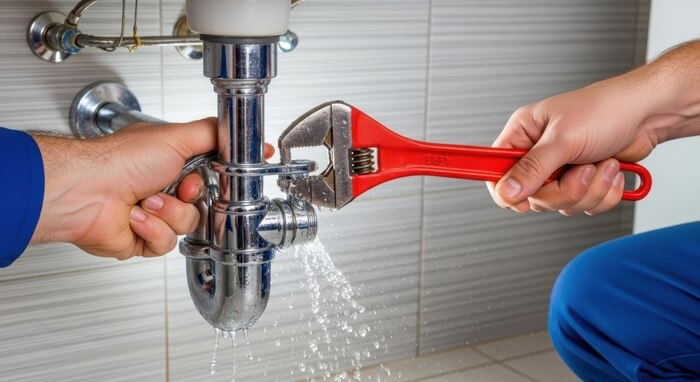

Leaking pipes are among the most common household plumbing problems, yet they can escalate into costly property damage if left unresolved. Whether it’s a minor drip beneath a kitchen sink or a hidden pipe leak behind a wall, professional plumbing repair is often the safest and most effective solution.
Understanding what to expect during a plumbing repair service can help homeowners act quickly, minimize water damage, and ensure their plumbing system remains in good working order. In this guide, we’ll explain the causes of leaking pipes, how plumbers diagnose the issue, the repair process, and ways to prevent future leaks.
Why Leaking Pipes Should Never Be Ignored?
Many homeowners underestimate the seriousness of a leaking pipe. Even a small leak can waste hundreds of litres of water over time and create ideal conditions for mould growth, structural deterioration, and increased utility bills.
Common consequences of untreated pipe leaks include:
- Water damage to walls, ceilings, and floors
- Mould and mildew development
- Reduced water pressure
- Higher water bills
- Damage to electrical systems
- Foundation and structural issues
- Corrosion of plumbing components
Prompt plumbing repair prevents minor issues from becoming expensive emergencies.
Common Causes of Leaking Pipes
Understanding why pipes leak can help homeowners identify problems early.
1.Corrosion and Aging Pipes
Older plumbing systems, those with galvanized steel or aging copper pipes, can corrode over time, leading to pinhole leaks and weakened joints.
2.High Water Pressure
Excessive water pressure places stress on pipe connections and fittings, increasing the likelihood of leaks.
3.Pipe Joint Failures
Pipe joints are the weakest points within a plumbing system. Constant pressure changes and wear can cause fittings to loosen or fail.
4.Temperature Fluctuations
During colder months, pipes expand and contract due to temperature changes, increasing the risk of cracks and leaks.
5.Tree Root Intrusion
Underground pipes can be damaged when tree roots seek moisture and penetrate drainage or water supply lines.
6.Poor Installation or Previous Repairs
Incorrectly installed plumbing fixtures or temporary DIY fixes can eventually fail, resulting in recurring leaks.
Signs You Need Professional Plumbing Repair
Some leaks are obvious, while others remain hidden for weeks or months. Watch for these warning signs:
- Unexplained increase in water bills
- Damp walls or ceilings
- Water stains and discoloration
- Musty odours
- Peeling paint or wallpaper
- Low water pressure
- Dripping sounds behind walls
- Visible mould growth
- Wet spots on floors or carpets
Early detection reduces plumbing repair costs and prevents extensive property damage.
How Professional Plumbers Diagnose Pipe Leaks?
Before starting any repair, a qualified plumber will perform a thorough inspection to identify the exact source of the problem.
Visual Inspection
The plumber examines exposed pipes, fittings, valves, and fixtures for visible signs of leakage or corrosion.
Water Pressure Testing
Pressure tests help determine whether hidden leaks exist within the plumbing system.
Moisture Detection Equipment
Advanced moisture meters and thermal imaging cameras can locate concealed leaks behind walls, under floors, and within ceilings.
Leak Detection Technology
Modern leak detection methods may include acoustic listening devices and CCTV inspection equipment to pinpoint hard-to-find leaks accurately.
What Happens During a Plumbing Repair Service?
The plumbing repair process depends on the location, severity, and cause of the leak.
Step 1: Water Supply Isolation
The plumber will shut off the affected water supply to prevent further leakage and property damage.
Step 2: Accessing the Damaged Pipe
If the leak is hidden, sections of walls, ceilings, or flooring may need to be carefully opened to access the damaged pipe.
Step 3: Assessing the Damage
The affected section is evaluated to determine whether a simple repair or partial pipe replacement is required.
Step 4: Repair or Replacement
Depending on the condition of the pipe, the plumber may:
- Replace damaged pipe sections
- Install new fittings or joints
- Repair cracked pipes
- Seal minor leaks
- Replace corroded components
- Upgrade outdated plumbing materials
Step 5: Testing the System
Once repairs are completed, the plumbing system is pressure-tested to ensure there are no remaining leaks.
Step 6: Site Cleanup
Professional plumbers clean the work area and provide recommendations for ongoing maintenance.
Common Plumbing Repair Solutions for Leaking Pipes
Different leaks need different repair methods.
Pipe Section Replacement
Severely damaged pipes are often replaced with modern materials such as copper, PEX, or PVC.
Joint and Fitting Repairs
Loose or failed fittings can be repaired without replacing entire pipe runs.
Pipe Relining
In certain situations, trenchless pipe relining can restore damaged underground pipes without extensive excavation.
Leak Sealing Solutions
Temporary sealing methods may be used in emergencies before permanent repairs are completed.
How Long Does Pipe Leak Repair Take?
Repair times vary depending on the complexity of the issue.
Typical repair timelines include:
Type of Repair Estimated Time
- Minor visible leak1–2 hours
- Pipe joint replacement2–4 hours
- Hidden wall leak repair4–8 hours
- Underground pipe repair1–2 days
- Major pipe replacement Several days
A professional assessment provides the most accurate timeframe.
Factors That Affect Plumbing Repair Costs
Several variables influence repair costs, including:
- Location of the leak
- Accessibility of the pipe
- Extent of water damage
- Pipe material
- Labour requirements
- Emergency call-out services
- Replacement parts needed
Addressing leaks early results in lower repair expenses.
Can You Repair a Leaking Pipe Yourself?
While some homeowners attempt DIY repairs, professional repair is recommended for anything beyond minor temporary fixes. DIY repairs lead to:
- Recurring leaks
- Incorrect installations
- Water damage
- Voided warranties
- Safety hazards
Licensed plumbers have the tools, expertise, and experience necessary to provide long-lasting solutions.
Preventing Future Pipe Leaks
Preventative maintenance is one of the most effective ways to avoid unexpected plumbing emergencies.
Consider these preventative measures:
- Schedule regular plumbing inspections
- Monitor water pressure levels
- Replace aging pipes proactively
- Insulate exposed pipes
- Address minor leaks immediately
- Avoid chemical drain cleaners
- Maintain drainage systems properly
Routine maintenance can significantly extend the lifespan of your plumbing system.
When to Call an Emergency Plumber?
Certain situations need immediate professional help.
Contact an emergency plumber if you experience:
- Burst pipes
- Major water leaks
- Flooding inside the property
- Sudden loss of water pressure
- Water leaking near electrical systems
- Significant ceiling or wall damage
Fast action can cut down repair costs and protect your property.
Final Thoughts
Leaking pipes may seem like a minor inconvenience, but they can develop into serious plumbing and property issues. Understanding what to expect during a professional plumbing repair service allows homeowners to make informed decisions and address problems before they worsen.
Whether the issue involves a small pipe leak, corroded plumbing, damaged fittings, or a hidden water leak, professional plumbers can accurately diagnose the problem and provide reliable repairs that restore the safety and efficiency of your plumbing system. Acting quickly is always the best way to protect your home, reduce water waste, and avoid costly damage.