

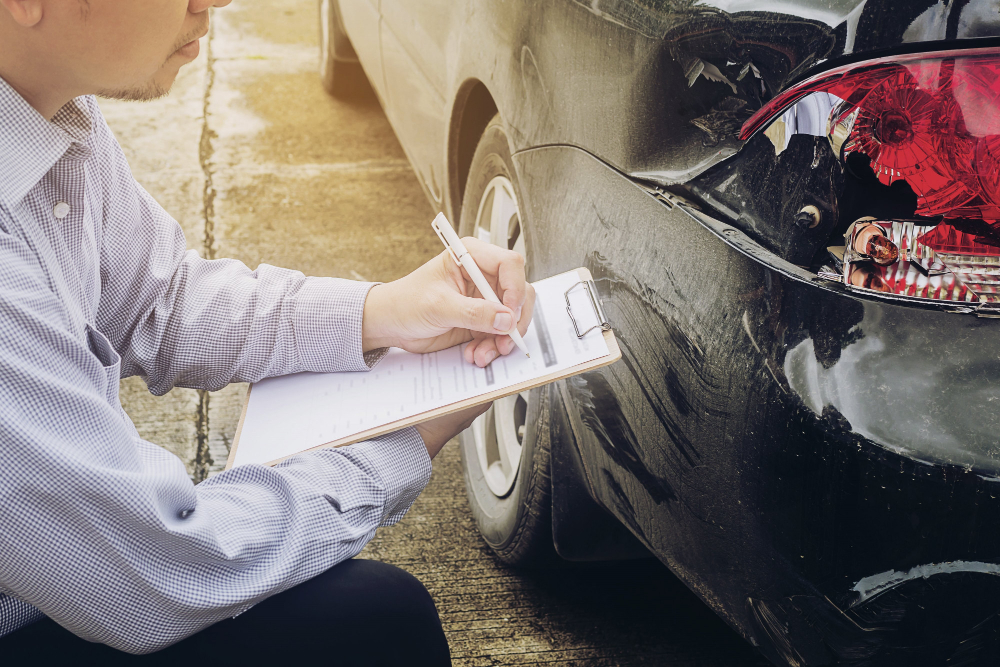

After an accident, your insurance company becomes your primary point of contact for getting your vehicle repaired. They assign an adjuster, issue an estimate, and often recommend a body shop. What they don’t always make clear is how much control you actually have over the process. Here are the things most drivers learn the hard way. (Information Credit: https://www.invisibletouchinc.com/collision-repair/insurance-collision-repair/)
You Are Not Required to Use Their Preferred Shop
Insurance companies maintain networks of “direct repair program” (DRP) shops. When they recommend one of these shops, it sounds like a service: “We’ll make it easy for you.” In reality, DRP shops agree to follow the insurer’s pricing guidelines, use the insurer’s preferred parts vendors, and meet the insurer’s cycle time targets. The relationship benefits the insurer’s bottom line. Your vehicle’s repair quality depends on the shop you choose, not the one your insurer prefers.
The Initial Estimate Is Usually Low
Insurance adjusters often write estimates based on visible damage only. They assess the vehicle externally, document what they can see, and issue a repair authorization for that amount. The problem: collision damage routinely hides behind bumper covers, inside door structures, and underneath quarter panels. A $2,000 visible estimate frequently becomes a $4,000 repair once the shop disassembles the damaged area and discovers what’s underneath.
This is normal and expected. Reputable body shops write a supplement — an additional estimate documenting the hidden damage with photographs — and submit it to the insurer for approval before proceeding. If a shop starts the repair and then tells you it will cost more without filing a supplement with your insurer, that’s a problem.
OEM vs. Aftermarket Parts: You Have a Say
Insurance companies default to aftermarket parts because they cost 20–50% less than OEM (Original Equipment Manufacturer) parts. Aftermarket parts are third-party reproductions that may or may not match the fit, finish, and structural integrity of the original components.
For cosmetic parts like bumper covers and fenders on older vehicles, aftermarket parts are often acceptable. For structural components, safety-related parts, or repairs on newer vehicles still under warranty, OEM parts are the correct choice. In Massachusetts, your insurer must inform you in writing if they are authorizing aftermarket parts, and you can request OEM parts — though you may be responsible for the price difference depending on your policy.
Diminished Value Exists, and You Can Claim It
Even after a perfect repair, a vehicle that has been in an accident is worth less than an identical vehicle that has not. This loss in value is called “diminished value,” and in many states, you can file a diminished value claim against the at-fault driver’s insurance. Most insurers will not volunteer this information. If the other driver was at fault, ask their insurer about a diminished value claim.
Your Insurer Cannot Dictate Repair Methods
An insurer can say what they will pay for — but they cannot dictate how a licensed body shop performs the repair. If the manufacturer’s repair procedure calls for replacing a part and the insurer’s estimate only authorizes repairing it, the shop and the insurer negotiate through the supplement process. The shop’s obligation is to repair the vehicle correctly, not to match the insurer’s preferred cost structure.
The Bottom Line
Your insurance policy is a contract for coverage, not a mandate for how or where your vehicle gets repaired. Choose your own shop. Understand the estimate process. Ask about parts. Know your rights. The repair outcome depends on the shop’s skill and standards, not on which shop your insurer finds most convenient.