

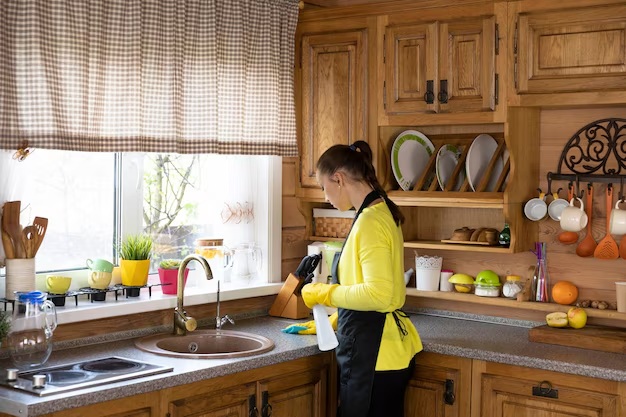

A clean kitchen is essential for a healthy home. Most people in Adelaide do their best with regular DIY cleaning—wiping benches, scrubbing pots, and washing dishes. But even when your kitchen looks clean, it may still be hiding grease, germs, and deep dirt that simple household cleaning can’t remove. Many homeowners don’t realise how much grime builds up behind appliances, inside rangehood filters, or under sinks. This is why DIY kitchen cleaning often fails to deliver true deep hygiene.
In this article, we’ll explore why everyday cleaning isn’t enough, what risks come with hidden kitchen contaminants, and how professionalkitchen cleaning servicesin Adelaide provide a level of hygiene that DIY methods simply can’t match.
Surface Clean vs. Real Deep Hygiene
Most people focus on what they can see—benchtops, stoves, and sinks. Wiping these areas makes the kitchen look spotless. But bacteria and grease don’t stay on the surface.
Your Kitchen Looks Clean, But That Doesn’t Mean It’s Hygienic
Microorganisms like E. coli, salmonella, mould spores, and biofilms spread quickly in warm, moist kitchen areas. You can’t always detect them by sight or smell. Even a well-maintained kitchen can have germs hiding in:
- gaps around stovetops
- grout lines
- rangehood filters
- sink drains
- behind the fridge
- cabinet corners
- under appliances
These areas aren’t touched during normal DIY cleaning. As a result, contaminants stay there for months, even years.
Hidden Hotspots Most People Miss
Some parts of the kitchen hold more bacteria than the toilet:
- sponge and dish cloth
- cutting board
- sink drain
- tap handles
- fridge door handle
- oven knobs
These areas accumulate food particles, moisture, grease, and oils that slowly build up into a stubborn layer. Without deep cleaning, these hotspots may compromise food hygiene and indoor air quality.
The Limits of DIY Kitchen Cleaning
Doing a general tidy-up is easy, but deep kitchen cleaning requires time, skill, and stronger cleaning power than what you can buy from the supermarket.
1. Household Cleaners Aren’t Strong Enough
Store-bought products are made mild because they need to be safe for everyday use. They often lack the strength to remove:
- cooked-on grease
- carbon residue
- heavy grime
- oil build-up inside ovens
- scale from hard water
Professional cleaners, on the other hand, use commercial-grade degreasers, steam machines, and food-safe disinfectants that break down grime at the molecular level.
2. DIY Cleaning Takes Time You Don’t Have
A proper kitchen deep clean can take 3 to 6 hours, depending on:
- how often you cook
- the type of oven and cooktop
- the amount of grease buildup
- size of the kitchen
Most Adelaide families don’t have time to pull out appliances, scrub filters, or steam-clean surfaces every week. As a result, dirt accumulates quietly.
3. Safety Risks of DIY Cleaning
Mixing chemicals like bleach, ammonia, and strong degreasers is dangerous. Many people unintentionally damage:
- stainless steel
- stone countertops
- glass cooktops
- oven interiors
Incorrect product use can cause burns, toxic fumes, or permanent surface damage.
Why Deep Hygiene Is Even More Important Today
Modern kitchens in Adelaide feature open layouts and stylish surfaces that need careful maintenance.
Open Kitchens Demand Better Hygiene
Because the kitchen blends with the living space, grease and smells travel further. A dirty kitchen can affect the entire home’s air quality.
Delicate Surfaces Need Special Care
Stone, glass, stainless steel, and modern appliances are common in today’s kitchens—but they are harder to clean safely. One wrong chemical can scratch or dull them.
Appliances Are More Complex
Newer ovens, induction cooktops, and built-in appliances often have hidden parts that trap grease. DIY cleaning rarely reaches these areas.
What Professional Kitchen Cleaning Services in Adelaide Do Better
Hiring experts for kitchen cleaning services in Adelaide provides a much deeper clean. Professionals follow a structured, detailed process designed to remove stubborn dirt from every part of your kitchen.
1. Deep Degreasing and Carbon Removal
Pros use tools like:
- high-pressure steam
- heavy-duty degreasers
- carbon-removal agents
These reach places DIY methods cannot touch, including:
- oven interiors
- rangehood filters
- stove joints
- splashback tiles
- appliance undersides
2. Food-Safe Disinfection
Professional cleaners use safe, approved products that kill bacteria without harming surfaces or food preparation areas. Steam cleaning destroys germs on contact without chemicals.
3. Cleaning Behind and Under Appliances
Most people never move:
- fridges
- dishwashers
- cooktops
- microwaves
Professionals lift and shift appliances safely, allowing them to reach long-neglected areas and remove old grease, dust, pests, and odours.
4. Compliance With Food Safety Standards
Reputable Adelaide cleaners follow hygiene practices similar to commercial kitchens. Their methods help prevent food contamination, pests, and mould.
Health, Allergy & Odour Benefits of Deep Cleaning
A deeply cleaned kitchen is safer, healthier, and more pleasant to cook in.
Removes Harmful Germs and Allergens
Deep cleaning reduces:
- bacteria
- mould spores
- allergens
- grease particles floating in the air
This improves indoor air quality and reduces the risk of food-related illness.
Stops Pest Problems
Grease and crumbs behind appliances attract:
- ants
- cockroaches
- flies
- pantry moths
Deep cleaning removes their food sources.
Eliminates Lingering Odours
Old grease in rangehoods or ovens creates stubborn smells that DIY cleaning can’t remove. Professional cleaning fixes this quickly.
DIY vs Professional Kitchen Cleaning: A Quick Comparison
FeatureDIY CleaningProfessional CleaningTime Needed1–2 hours3–6 hours (full deep clean)ToolsBasic suppliesSteam machines, commercial degreasersHygiene LevelSurface cleanDeep sanitisationSafetyRisk of using wrong productsTrained & safeHard AreasOften missedFully cleanedLong-Term ResultsShort-lastingLong-lasting cleanliness
Why Adelaide Homes Need More Frequent Deep Cleaning
Several local factors make deep cleaning important:
- Many Adelaide suburbs have hard water, causing mineral buildup.
- Coastal humidity contributes to mould around sinks and splashbacks.
- Busy lifestyles leave little time for deep cleaning.
- Larger kitchens in South Australia often have more hidden spaces.
These conditions make professional kitchen cleaning a smart choice for hygiene and maintenance.
Signs Your Kitchen Needs a Professional Deep Clean
Look out for:
- sticky cabinet doors
- grease smell that won’t go away
- smoke from the oven
- dull appliances
- pests or ants
- cloudy glass or tiles
- dirty rangehood filters
If you notice any of these, your kitchen is overdue for deep cleaning.
How Often Should You Book a Professional Clean?
Most homes benefit from:
- Every 3–4 months for regular cooks
- Every 6 months for light use
- Every 1–2 months for large families or heavy cooking
- Monthly for Airbnb, rental, or high-use kitchens
Easy Tips to Maintain Hygiene Between Professional Cleans
- Wipe spills immediately
- Clean stovetop after each use
- Wash cloths and sponges regularly
- Empty crumbs from toaster and microwave
- Rinse rangehood filters every month
- Use mild, natural cleaners on sensitive surfaces
These simple steps keep your kitchen fresh until the next deep clean.
Final Thoughts
DIY kitchen cleaning keeps things tidy, but it rarely reaches the deep layers of grease, germs, and grime that build up over time. For real hygiene and long-lasting cleanliness, professional kitchen cleaning services in Adelaide offer a level of care and expertise that households can’t match. A deep-cleaned kitchen is healthier, safer, and much more enjoyable to cook in. For busy families, it’s one of the best investments you can make in your home’s hygiene and comfort.